‘Betrayal of Tasmanian Agriculture’: $100 Million Sale of Rushy Lagoon Farm to UK Investor Sparks Outrage and Fears for Australian Food Security
- Treasurer Jim Chalmers approves sale of 21,745ha Rushy Lagoon farm to UK’s Gresham House despite fierce opposition from Tasmanian farmers and Liberal senator Richard Colbeck
- The sale has sparked outrage, with TasFarmers president Nathan Cox accusing the government of breaking its social contract with Australian people and prioritizing foreign interests over local farmers
- The deal has raised concerns about the impact on Australian food security, with 22,000 hectares of prime dairy and beef country set to be converted into a pine plantation
- The sale is part of a growing trend of foreign investment in Tasmanian farmland, with 24% of the state’s agricultural land already foreign-owned
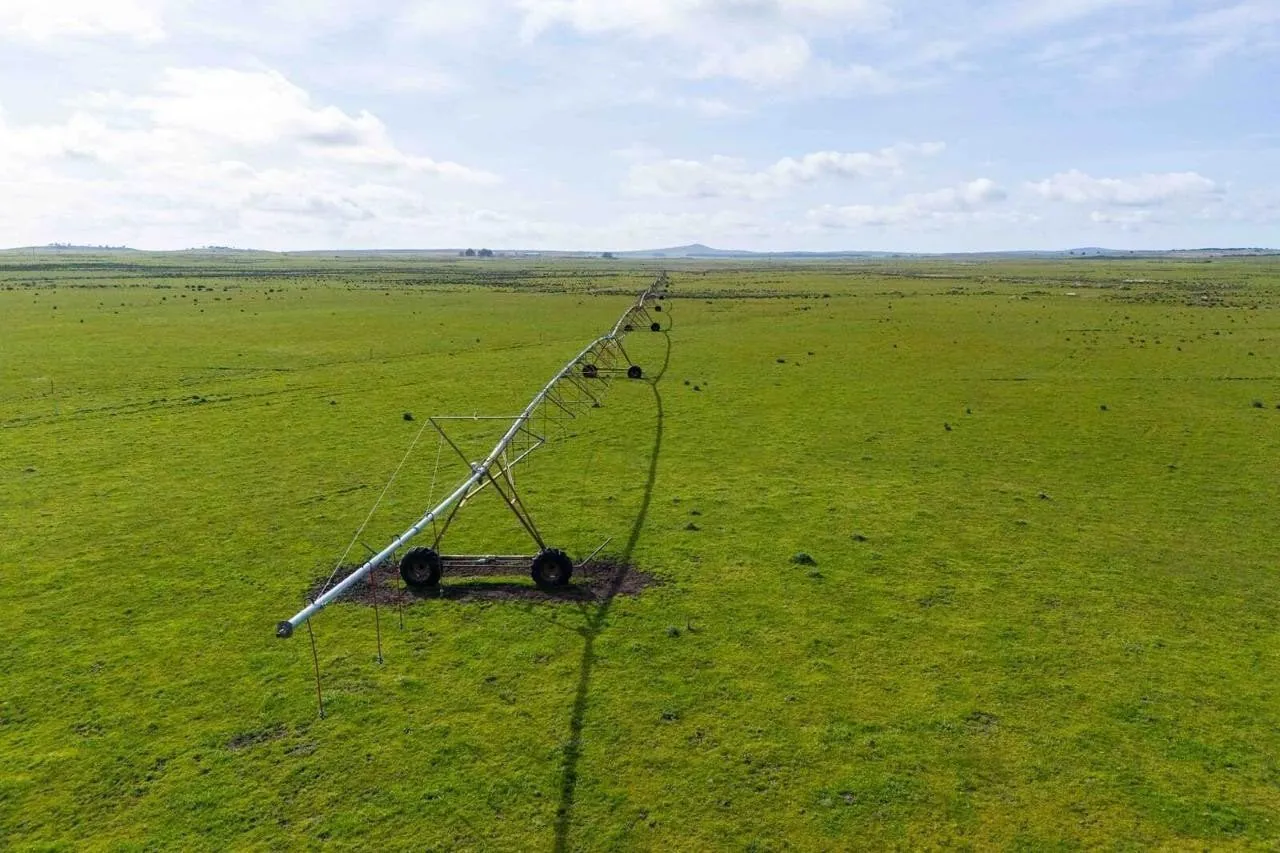
The sale of Rushy Lagoon farm, one of Tasmania’s largest and most productive agricultural properties, has been approved by Treasurer Jim Chalmers, sparking widespread outrage and fears for Australian food security.
The $100 million deal, which will see the 21,745ha property converted into a pine plantation, has been vehemently opposed by Tasmanian farmers and Liberal senator Richard Colbeck.
At the heart of the controversy is the fact that the sale will result in the loss of 22,000 hectares of prime dairy and beef country, which has been used to feed Australian families for generations.
TasFarmers president Nathan Cox has accused the government of breaking its social contract with the Australian people, prioritizing foreign interests over local farmers and putting the nation’s food security at risk.
“This is a betrayal of Tasmanian agriculture and a breaking of the social contract between government and the Australian people,” Mr Cox said. “Rushy Lagoon has fed Australian families for generations.



Today, the federal government has broken its covenant with the Australian people by agreeing to turn productive farmland into a monoculture pine plantation so a foreign investment fund can tick a carbon abatement box.”
The sale has also raised concerns about the impact on the local economy, with fears that the conversion of the property into a pine plantation will lead to job losses and a decline in the local dairy and beef industries.
The property’s two remaining dairies were closed in June, and the 1,000 dairy cows were shipped to Gippsland in Victoria. The 3,500 head of beef herd remains on the farm, but the property has been significantly understocked.
The deal has been defended by Gresham House, the UK-based forestry investor behind the sale, which claims that the project will combine commercial softwood plantations with large-scale conservation and ecological restoration and sustainable grazing.
However, the company’s plans have been met with skepticism by local farmers and politicians, who argue that the sale is part of a larger trend of foreign investment in Tasmanian farmland that is undermining the state’s agricultural industry.
According to the 2024-25 Register of Foreign Ownership of Australian Assets report, 24% of Tasmania’s agricultural land is foreign-owned, covering 362,000 hectares. The report shows that the United Kingdom owns the most agricultural land in Australia, at 7.6 million hectares, followed by China and Canada.
Offshore companies have long been drawn to Tasmania for its high rainfall, irrigation capacity, and fertile soils.
The sale of Rushy Lagoon farm is just the latest in a series of high-profile deals that have attracted plenty of political and public scrutiny.
In 2016, Chinese-backed Moonlake Investments outbid two Australian companies, paying $280 million for the Van Diemen’s Land Company, which was Australia’s biggest dairy at the time.
However, the business was troubled from the outset, with financial difficulties, mass resignations, animal welfare allegations, and the loss of a major milk contract leading to the company being carved up and sold.
Analysis: What This Means for AustraliaThe sale of Rushy Lagoon farm has significant implications for Australian food security and the nation’s agricultural industry.
The conversion of the property into a pine plantation will result in the loss of 22,000 hectares of prime dairy and beef country, which will have a direct impact on the local economy and the nation’s food supply.
Security analysts say that the sale is part of a larger trend of foreign investment in Tasmanian farmland that is undermining the state’s agricultural industry.
“The sale of Rushy Lagoon farm is a wake-up call for the Australian government to take a closer look at the impact of foreign investment on our agricultural industry,” said one analyst.
“We need to ensure that our food security is protected and that our farmers are given a fair go.”
Law enforcement insiders warn that the sale also raises concerns about the potential for money laundering and other illicit activities.
“The sale of Rushy Lagoon farm is a classic example of how foreign investors can use Australian agricultural land to launder money and avoid taxes,” said one insider.
“We need to ensure that our laws and regulations are tightened up to prevent this type of activity.”
Industry observers believe that the sale is a missed opportunity for the Australian government to support local farmers and the agricultural industry.
“The sale of Rushy Lagoon farm is a blow to the Tasmanian agricultural industry and the local community,” said one observer.
“The government should be supporting our farmers, not selling off our productive land to foreign investors.”
In a statement, Gresham House and partners CEFC and Aviva Investors said its “pioneering project will combine commercial softwood plantations on low-productive land with large-scale conservation and ecological restoration and sustainable grazing”.
However, the company’s plans have been met with skepticism by local farmers and politicians, who argue that the sale is part of a larger trend of foreign investment in Tasmanian farmland that is undermining the state’s agricultural industry.
Part of the company’s long-term strategy is to broaden its international footprint, including tapping into Australia’s Nature Repair Market, earning biodiversity credits for carbon projects, and drawing an income from growing pines for timber.
The massive irrigated livestock and cropping farm was put on the market in October 2024, with expressions of interest closing in November 2025.
The sale was handled by LAWD and RMS Advisory, who promoted the property as having the capacity to run 85,000 sheep and generate additional income from proposed wind farm developments, sand mining royalties, and carbon offset payments.
Historically, the property has run 8,500 beef breeders and 4,000 dairy cows across its three dairies. However, the property has been significantly understocked, and the sale has raised concerns about the impact on the local dairy and beef industries.
The deal has also raised concerns about the use of taxpayer funds, with Treasurer Jim Chalmers accused of keeping quiet on the sale for months before announcing it during the federal parliament’s six-week winter break.
“This was a very difficult, on balance call and it follows a rigorous process and extensive consultation that took account of all relevant considerations, including economic, environmental and other national interest issues,” Mr Chalmers said.
However, the decision has been met with skepticism by local farmers and politicians, who argue that the sale is a betrayal of Tasmanian agriculture and a breaking of the social contract between government and the Australian people.
“The Albanese government has used the cover of the winter parliamentary recess to approve the sale of Rushy Lagoon after months of delay, stonewalling and a complete refusal to be transparent with the Australian public,” Senator Colbeck said.
The sale of Rushy Lagoon farm has sparked outrage and fears for Australian food security, with many calling for greater transparency and accountability in the foreign investment process.
As the nation grapples with the implications of this deal, one thing is clear: the sale of Rushy Lagoon farm is a wake-up call for the Australian government to take a closer look at the impact of foreign investment on our agricultural industry.
The sale of Rushy Lagoon farm, one of Tasmania’s largest and most productive agricultural properties, has been approved by Treasurer Jim Chalmers, sparking widespread outrage and fears for Australian food security. The $100 million deal, which will see the 21,745ha property converted into a pine plantation, has been vehemently opposed by Tasmanian farmers and Liberal senator Richard Colbeck.
At the heart of the controversy is the fact that the sale will result in the loss of 22,000 hectares of prime dairy and beef country, which has been used to feed Australian families for generations. TasFarmers president Nathan Cox has accused the government of breaking its social contract with the Australian people, prioritizing foreign interests over local farmers and putting the nation’s food security at risk.
“This is a betrayal of Tasmanian agriculture and a breaking of the social contract between government and the Australian people,” Mr Cox said. “Rushy Lagoon has fed Australian families for generations. Today, the federal government has broken its covenant with the Australian people by agreeing to turn productive farmland into a monoculture pine plantation so a foreign investment fund can tick a carbon abatement box.”
The sale has also raised concerns about the impact on the local economy, with fears that the conversion of the property into a pine plantation will lead to job losses and a decline in the local dairy and beef industries. The property’s two remaining dairies were closed in June, and the 1,000 dairy cows were shipped to Gippsland in Victoria. The 3,500 head of beef herd remains on the farm, but the property has been significantly understocked.
The deal has been defended by Gresham House, the UK-based forestry investor behind the sale, which claims that the project will combine commercial softwood plantations with large-scale conservation and ecological restoration and sustainable grazing. However, the company’s plans have been met with skepticism by local farmers and politicians, who argue that the sale is part of a larger trend of foreign investment in Tasmanian farmland that is undermining the state’s agricultural industry.
According to the 2024-25 Register of Foreign Ownership of Australian Assets report, 24% of Tasmania’s agricultural land is foreign-owned, covering 362,000 hectares. The report shows that the United Kingdom owns the most agricultural land in Australia, at 7.6 million hectares, followed by China and Canada. Offshore companies have long been drawn to Tasmania for its high rainfall, irrigation capacity, and fertile soils.
The sale of Rushy Lagoon farm is just the latest in a series of high-profile deals that have attracted plenty of political and public scrutiny. In 2016, Chinese-backed Moonlake Investments outbid two Australian companies, paying $280 million for the Van Diemen’s Land Company, which was Australia’s biggest dairy at the time. However, the business was troubled from the outset, with financial difficulties, mass resignations, animal welfare allegations, and the loss of a major milk contract leading to the company being carved up and sold.
The sale of Rushy Lagoon farm has significant implications for Australian food security and the nation’s agricultural industry. The conversion of the property into a pine plantation will result in the loss of 22,000 hectares of prime dairy and beef country, which will have a direct impact on the local economy and the nation’s food supply.
Security analysts say that the sale is part of a larger trend of foreign investment in Tasmanian farmland that is undermining the state’s agricultural industry. “The sale of Rushy Lagoon farm is a wake-up call for the Australian government to take a closer look at the impact of foreign investment on our agricultural industry,” said one analyst. “We need to ensure that our food security is protected and that our farmers are given a fair go.”
Law enforcement insiders warn that the sale also raises concerns about the potential for money laundering and other illicit activities. “The sale of Rushy Lagoon farm is a classic example of how foreign investors can use Australian agricultural land to launder money and avoid taxes,” said one insider. “We need to ensure that our laws and regulations are tightened up to prevent this type of activity.”
Industry observers believe that the sale is a missed opportunity for the Australian government to support local farmers and the agricultural industry. “The sale of Rushy Lagoon farm is a blow to the Tasmanian agricultural industry and the local community,” said one observer. “The government should be supporting our farmers, not selling off our productive land to foreign investors.”
In a statement, Gresham House and partners CEFC and Aviva Investors said its “pioneering project will combine commercial softwood plantations on low-productive land with large-scale conservation and ecological restoration and sustainable grazing”. However, the company’s plans have been met with skepticism by local farmers and politicians, who argue that the sale is part of a larger trend of foreign investment in Tasmanian farmland that is undermining the state’s agricultural industry.
Part of the company’s long-term strategy is to broaden its international footprint, including tapping into Australia’s Nature Repair Market, earning biodiversity credits for carbon projects, and drawing an income from growing pines for timber.
The massive irrigated livestock and cropping farm was put on the market in October 2024, with expressions of interest closing in November 2025. The sale was handled by LAWD and RMS Advisory, who promoted the property as having the capacity to run 85,000 sheep and generate additional income from proposed wind farm developments, sand mining royalties, and carbon offset payments.
Historically, the property has run 8,500 beef breeders and 4,000 dairy cows across its three dairies. However, the property has been significantly understocked, and the sale has raised concerns about the impact on the local dairy and beef industries.
The deal has also raised concerns about the use of taxpayer funds, with Treasurer Jim Chalmers accused of keeping quiet on the sale for months before announcing it during the federal parliament’s six-week winter break.
“This was a very difficult, on balance call and it follows a rigorous process and extensive consultation that took account of all relevant considerations, including economic, environmental and other national interest issues,” Mr Chalmers said.
However, the decision has been met with skepticism by local farmers and politicians, who argue that the sale is a betrayal of Tasmanian agriculture and a breaking of the social contract between government and the Australian people.
“The Albanese government has used the cover of the winter parliamentary recess to approve the sale of Rushy Lagoon after months of delay, stonewalling and a complete refusal to be transparent with the Australian public,” Senator Colbeck said.
The sale of Rushy Lagoon farm has sparked outrage and fears for Australian food security, with many calling for greater transparency and accountability in the foreign investment process. As the nation grapples with the implications of this deal, one thing is clear: the sale of Rushy Lagoon farm is a wake-up call for the Australian government to take a closer look at the impact of foreign investment on our agricultural industry.