
‘Descent into Disaster’: Pakistan Cargo Plane Crash Exposes Aviation Safety Concerns as Rescue Teams Battle Treacherous Seas
- Five crew members remain missing after a Boeing 737 cargo plane crashed into the Arabian Sea off the coast of Pakistan
- Radar data reveals the aircraft plummeted out of control before radar and radio contact were lost, sparking fears of pilot error or catastrophic technical failure
- Rescue crews face treacherous sea conditions as they scour the wreckage-strewn waters for signs of the missing crew, with the bulk of the plane’s debris potentially 3,000 metres below the surface
The search for five missing crew members continues in the aftermath of a devastating cargo plane crash off the coast of Pakistan, as rescue teams battle rough seas and aviation experts warn of potential safety concerns.
The Boeing 737 cargo plane, operated by K2 Airways, was en route from the UAE to Karachi when it suddenly and mysteriously plummeted into the Arabian Sea, approximately 155 nautical miles west of Karachi.
The Pakistan Airports Authority has shared radar data that paints a chilling picture of the plane’s final moments. At around 9:21pm local time on Tuesday, the aircraft rapidly descended, losing radar and radio contact in a matter of seconds.
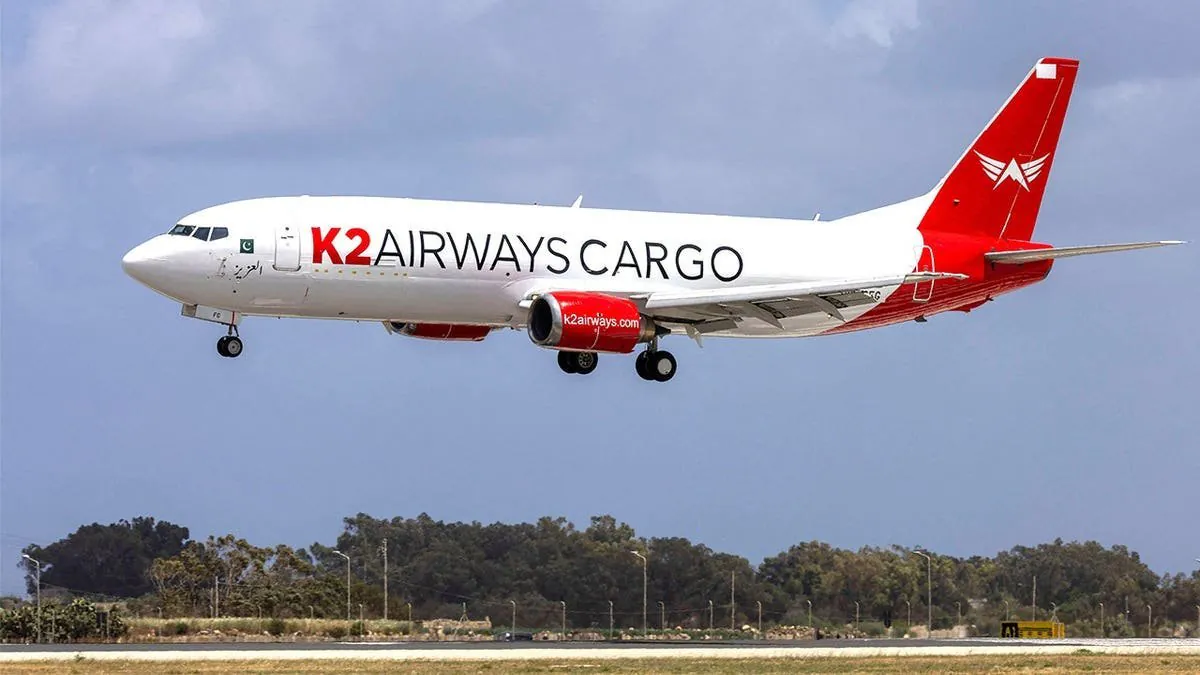
The sudden loss of contact has sparked fears of pilot error, catastrophic technical failure, or a combination of both.
K2 Airways has identified the missing crew as Captain Muhammad Rizwan Idris, First Officer Faisal Jatoi, flight engineers Muhammad Hamid and Muhammad Arif Siddiqui, and aircraft loader Muhammad Taufiq Khan.
The airline has issued a statement expressing their deepest concerns for the safety of their colleagues and promising to cooperate fully with the investigation.
Retired Pakistani Rear Admiral Faisal Shah, who has been involved in the rescue efforts, described the challenges facing search teams.
“We’re dealing with rough seas, and we’re still looking for the bulk of the wreckage, which could be 3,000 metres below the surface,” he said.
“Ocean currents, waves, and wind could carry the floating wreckage far from where the aircraft went down, making it a difficult and complex operation.”
The incident has raised concerns about aviation safety in Pakistan, particularly in light of a similar tragedy in May 2020.
A Pakistan International Airlines flight carrying 98 people crashed into a densely populated neighbourhood near Karachi airport while attempting to land, killing all but one of the 99 people on board.
A government investigation later concluded that errors by the pilots and air traffic controllers caused the crash.
Analysis: What This Means for Australia
The crash of the K2 Airways cargo plane has significant implications for Australia’s own aviation industry. As a major player in global air cargo, Australia relies on a network of international flights to transport goods and supplies.
The incident highlights the importance of rigorous safety standards and regular maintenance checks to prevent such tragedies from occurring. Furthermore, the crash serves as a reminder of the need for effective emergency response planning and coordination between airlines, airports, and rescue teams.
Security analysts say the incident may also have broader implications for regional security.
“The Arabian Sea is a critical shipping lane, and the crash of a cargo plane in the area raises concerns about the potential for accidents or deliberate acts of sabotage,” said one expert.
“Australia needs to be vigilant in monitoring these developments and ensuring that our own aviation security measures are robust and effective.”
Law enforcement insiders warn that the crash may also have implications for the illicit trade in goods. “Cargo planes are often used to transport high-value goods, including electronics and pharmaceuticals,” said a source.
“The crash of a cargo plane in the Arabian Sea may indicate a larger issue with smuggling or trafficking in the region.”
As the investigation into the crash continues, Australia must remain vigilant and proactive in addressing the potential risks and consequences of such incidents. By prioritizing aviation safety and security, we can help prevent similar tragedies from occurring in the future.