
‘Sneaky’ Sale of Tasmania’s Biggest Farm to Foreign Investor Sparks Fury as Locals Fear for Australia’s Food Security
- Treasurer Jim Chalmers slammed for approving $100 million sale of Rushy Lagoon to UK-based Gresham House despite 99% of locals opposing the deal
- Deal expected to transform 22,000-hectare farm into carbon credit-generating forestry project, sparking fears for Australia’s food security
- Locals and farming groups outraged over ‘sneaky’ timing of approval, with TasFarmers President Nathan Cox calling it a ‘disgraceful outcome’
- Treasurer Chalmers defends decision, citing ‘rigorous process’ and expected creation of 190 jobs
The sale of Rushy Lagoon, Tasmania’s biggest farm, to a foreign investor has sparked widespread outrage among locals and farming groups, who fear the deal will put Australia’s food security at risk.
The $100 million sale, approved by Treasurer Jim Chalmers and the Foreign Investment Review Board (FIRB), has been branded “sneaky” by critics, who claim the decision was made without adequate consultation or transparency.
Rushy Lagoon, a 22,000-hectare property in Tasmania’s northeast, has been a powerhouse of dairy and beef production for generations.
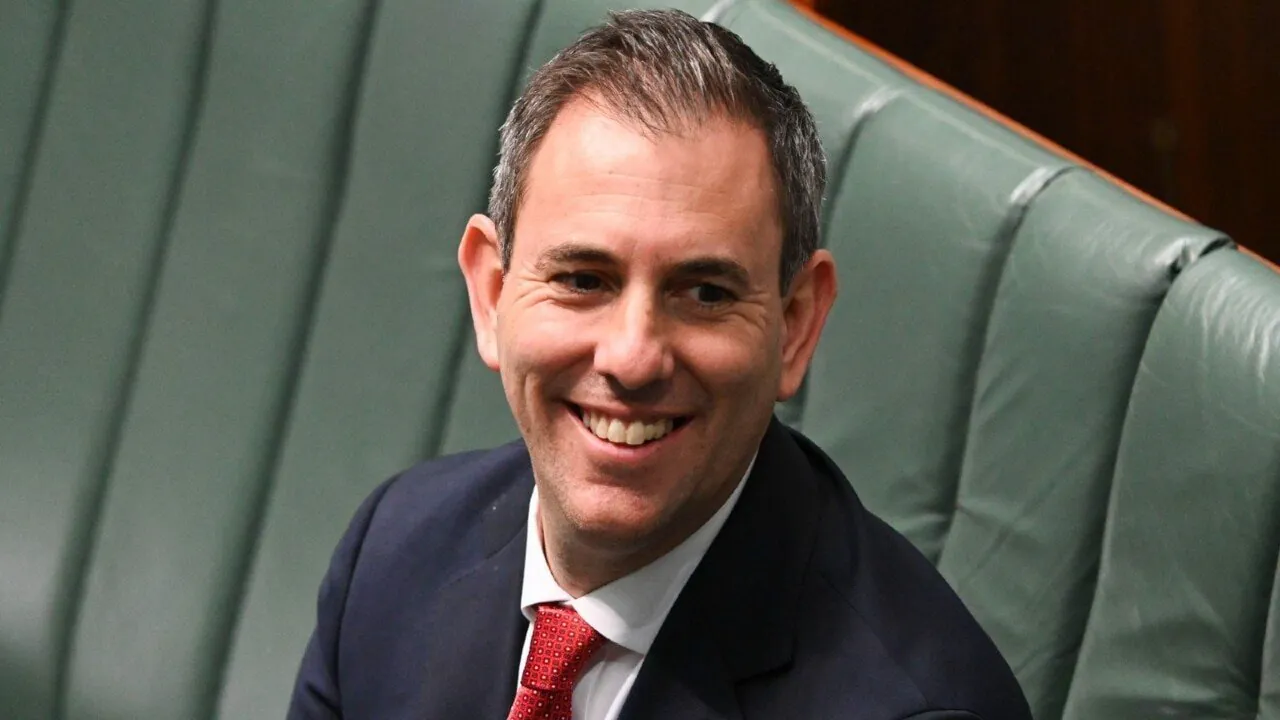
However, the new owner, the Tasmanian Natural Asset Trust, managed by the UK’s Gresham House, plans to transform the farm into a forestry project expected to generate carbon credits.
The project will involve combining commercial softwood plantations on low-productive land with large-scale conservation and ecological restoration and sustainable grazing.
Locals are incensed by the sale, with TasFarmers President Nathan Cox describing it as a “disgraceful outcome for Tasmania and for Australian food security.” Mr Cox claimed that Rushy Lagoon had “fed Australian families for generations” and that the sale would put the country’s food security at risk.
“Treasurer Jim Chalmers has allowed the use of taxpayer funds in this deal, and kept quiet on it for months, on a decision which has been delayed through FIRB no fewer than seven times, and then dropped it the moment parliament rose for a six-week winter break,” he said.
A community survey conducted by TasFarmers found that 99% of respondents opposed the sale, while the organisation had reached out to Mr Chalmers repeatedly during the process only to be “stonewalled by meaningless responses.” Mr Cox argued that Tasmanian farmers deserved transparency, not a “sneaky decision snuck out the back door during the winter recess.”
The federal government’s decision to earmark $69 million in taxpayer financing for the Rushy Lagoon project before Mr Chalmers and the FIRB had approved the sale has also been widely criticised.
The funding was committed to the Tasmania Natural Asset Trust by the government-owned Clean Energy Finance Corporation (CEFC).
In a statement, the CEFC described Rushy Lagoon as the “cornerstone” of a project that would “create local jobs and inject significant capital into the regional economy while generating high integrity Australian Carbon Credits Units and protecting an important Ramsar wetland.”
However, Tasmania Acting Premier Bridget Archer said the decision had been poorly received in the state, with locals questioning “why the federal government committed support and investment into this project before the Foreign Investment Review Board’s decision.” “Backing a project, and then going through a process to decide if it’s fair or not, does not pass the pub test,” Ms Archer said.
One Nation leader Pauline Hanson also slammed the sale, arguing that “Chalmers and this Labor government have allowed their obsession with net-zero to put Australia’s food security at risk.” “Our ability to feed ourselves is clearly in the national interest.
Destroying productive farmland for scam ‘carbon credits’ is an act of national self-harm,” Senator Hanson wrote.
Analysis: What This Means for Australia
The sale of Rushy Lagoon to a foreign investor has significant implications for Australia’s food security and national interest.
The decision to approve the sale, despite widespread opposition from locals and farming groups, raises concerns about the government’s commitment to protecting Australian agriculture.
The use of taxpayer funds to support the project also raises questions about the government’s priorities and its willingness to put the interests of foreign investors ahead of those of Australian farmers.
Security analysts say that the sale of strategic agricultural assets to foreign investors can have serious national security implications, particularly if those investors are not transparent about their intentions or have ties to foreign governments.
“The sale of Rushy Lagoon to a UK-based investor may seem like a routine business deal, but it has significant implications for Australia’s food security and national interest,” said one analyst.
“The government needs to be more transparent about its decision-making process and ensure that the interests of Australian farmers and the national interest are protected.”
Law enforcement insiders warn that the sale of agricultural assets to foreign investors can also create opportunities for money laundering and other illicit activities.
“The use of complex financial structures and offshore entities can make it difficult to track the flow of money and identify the true owners of these assets,” said one insider.
“The government needs to ensure that it has robust regulations in place to prevent the misuse of these assets and protect the integrity of the financial system.”
Industry observers believe that the sale of Rushy Lagoon is part of a larger trend of foreign investors buying up Australian agricultural assets, which can have significant economic and social consequences for rural communities.
“The sale of agricultural assets to foreign investors can lead to the loss of local jobs and the decline of rural communities,” said one observer.
“The government needs to ensure that it is balancing the need for foreign investment with the need to protect the interests of Australian farmers and rural communities.”
In conclusion, the sale of Rushy Lagoon to a foreign investor has significant implications for Australia’s food security, national interest, and rural communities.
The government needs to be more transparent about its decision-making process and ensure that the interests of Australian farmers and the national interest are protected.
The sale of Rushy Lagoon, Tasmania’s biggest farm, to a foreign investor has sparked widespread outrage among locals and farming groups, who fear the deal will put Australia’s food security at risk. The $100 million sale, approved by Treasurer Jim Chalmers and the Foreign Investment Review Board (FIRB), has been branded “sneaky” by critics, who claim the decision was made without adequate consultation or transparency.
Rushy Lagoon, a 22,000-hectare property in Tasmania’s northeast, has been a powerhouse of dairy and beef production for generations. However, the new owner, the Tasmanian Natural Asset Trust, managed by the UK’s Gresham House, plans to transform the farm into a forestry project expected to generate carbon credits. The project will involve combining commercial softwood plantations on low-productive land with large-scale conservation and ecological restoration and sustainable grazing.
Locals are incensed by the sale, with TasFarmers President Nathan Cox describing it as a “disgraceful outcome for Tasmania and for Australian food security.” Mr Cox claimed that Rushy Lagoon had “fed Australian families for generations” and that the sale would put the country’s food security at risk. “Treasurer Jim Chalmers has allowed the use of taxpayer funds in this deal, and kept quiet on it for months, on a decision which has been delayed through FIRB no fewer than seven times, and then dropped it the moment parliament rose for a six-week winter break,” he said.
A community survey conducted by TasFarmers found that 99% of respondents opposed the sale, while the organisation had reached out to Mr Chalmers repeatedly during the process only to be “stonewalled by meaningless responses.” Mr Cox argued that Tasmanian farmers deserved transparency, not a “sneaky decision snuck out the back door during the winter recess.”
The federal government’s decision to earmark $69 million in taxpayer financing for the Rushy Lagoon project before Mr Chalmers and the FIRB had approved the sale has also been widely criticised. The funding was committed to the Tasmania Natural Asset Trust by the government-owned Clean Energy Finance Corporation (CEFC). In a statement, the CEFC described Rushy Lagoon as the “cornerstone” of a project that would “create local jobs and inject significant capital into the regional economy while generating high integrity Australian Carbon Credits Units and protecting an important Ramsar wetland.”
However, Tasmania Acting Premier Bridget Archer said the decision had been poorly received in the state, with locals questioning “why the federal government committed support and investment into this project before the Foreign Investment Review Board’s decision.” “Backing a project, and then going through a process to decide if it’s fair or not, does not pass the pub test,” Ms Archer said.
One Nation leader Pauline Hanson also slammed the sale, arguing that “Chalmers and this Labor government have allowed their obsession with net-zero to put Australia’s food security at risk.” “Our ability to feed ourselves is clearly in the national interest. Destroying productive farmland for scam ‘carbon credits’ is an act of national self-harm,” Senator Hanson wrote.
Analysis: What This Means for Australia
The sale of Rushy Lagoon to a foreign investor has significant implications for Australia’s food security and national interest. The decision to approve the sale, despite widespread opposition from locals and farming groups, raises concerns about the government’s commitment to protecting Australian agriculture. The use of taxpayer funds to support the project also raises questions about the government’s priorities and its willingness to put the interests of foreign investors ahead of those of Australian farmers.
Security analysts say that the sale of strategic agricultural assets to foreign investors can have serious national security implications, particularly if those investors are not transparent about their intentions or have ties to foreign governments. “The sale of Rushy Lagoon to a UK-based investor may seem like a routine business deal, but it has significant implications for Australia’s food security and national interest,” said one analyst. “The government needs to be more transparent about its decision-making process and ensure that the interests of Australian farmers and the national interest are protected.”
Law enforcement insiders warn that the sale of agricultural assets to foreign investors can also create opportunities for money laundering and other illicit activities. “The use of complex financial structures and offshore entities can make it difficult to track the flow of money and identify the true owners of these assets,” said one insider. “The government needs to ensure that it has robust regulations in place to prevent the misuse of these assets and protect the integrity of the financial system.”
Industry observers believe that the sale of Rushy Lagoon is part of a larger trend of foreign investors buying up Australian agricultural assets, which can have significant economic and social consequences for rural communities. “The sale of agricultural assets to foreign investors can lead to the loss of local jobs and the decline of rural communities,” said one observer. “The government needs to ensure that it is balancing the need for foreign investment with the need to protect the interests of Australian farmers and rural communities.”
In conclusion, the sale of Rushy Lagoon to a foreign investor has significant implications for Australia’s food security, national interest, and rural communities. The government needs to be more transparent about its decision-making process and ensure that the interests of Australian farmers and the national interest are protected.