Trainee Surgeon’s Twisted Game: Hundreds of Women Filmed in Hospital Toilets, Showers as Part of Sickening Spying Campaign
- A trainee surgeon has pleaded guilty to 13 charges, including stalking and producing intimate images, after secretly filming hundreds of people in Melbourne hospitals
- Ryan Cho, 29, installed hidden cameras in toilets and showers, capturing thousands of intimate images and videos of victims
- Cho’s offending “borders on the obsessive”, with prosecutors describing the images as relating to the “intimate bathroom behaviour of many hundreds of women”
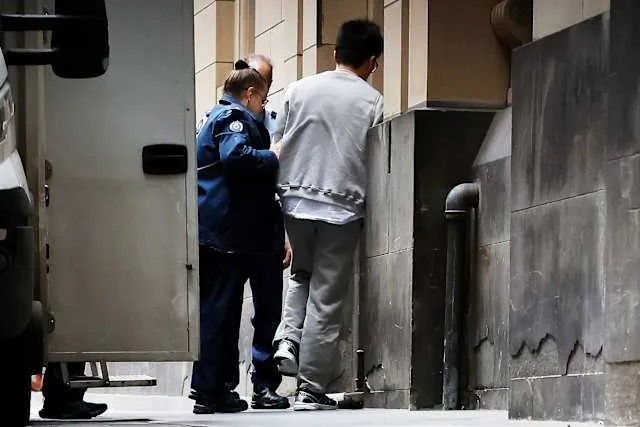
Ryan Cho, a 29-year-old trainee surgeon, stood before the court, his eyes fixed on the floor as he pleaded guilty to 13 charges that exposed a twisted and disturbing pattern of behaviour.
The crimes, which involved the installation of hidden cameras in toilets and showers at three Melbourne hospitals, captured the intimate moments of hundreds of people, leaving a trail of emotional devastation in their wake.
The shocking revelations began to unravel last year, when one of Cho’s cameras was discovered in a hospital staff toilet. The subsequent investigation uncovered a staggering 4,500 videos on his electronic devices, depicting the intimate bathroom behaviour of countless women.
The prosecutor, Russ Hammill, described Cho’s offending as “bordering on the obsessive”, a characterization that would prove a hauntingly accurate assessment of the young doctor’s actions.
Cho’s guilty plea marked a significant milestone in a case that has left many reeling.
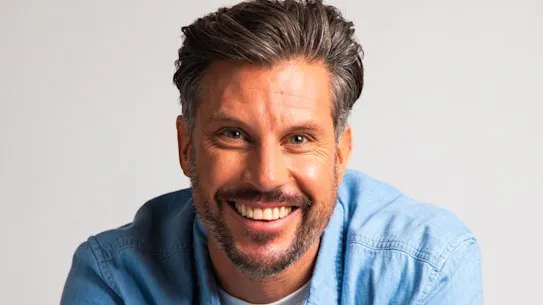
The charges, which included stalking, producing an intimate image, and installing an optical surveillance device, were the result of a thorough investigation that shed light on the full extent of Cho’s depraved activities.
The fact that he was able to carry out this egregious breach of trust, targeting vulnerable individuals in a place where they should have felt safe, has raised disturbing questions about the screening processes in place for medical professionals.
As the case unfolded, it became clear that Cho’s actions were not limited to the hospitals. He also secretly filmed a former housemate, further highlighting the pervasive nature of his obsession.
The sheer scale of his offending, combined with the fact that he was able to evade detection for so long, has sparked concerns about the safeguards in place to prevent such abuses of power.
Analysis: What This Means for AustraliaThe guilty plea entered by Ryan Cho serves as a stark reminder of the need for increased vigilance in the medical profession.
The fact that a trainee surgeon was able to install hidden cameras in hospitals, compromising the dignity and trust of countless individuals, raises serious questions about the vetting processes in place for medical professionals.
As the case highlights, the consequences of such failures can be devastating, with victims left to grapple with the emotional fallout of being secretly filmed in their most vulnerable moments.
Security analysts say that the case underscores the importance of robust background checks and thorough screening processes for medical professionals. “This is a wake-up call for the medical community,” one analyst noted.
“The fact that someone with such a blatant disregard for others’ privacy was able to slip through the cracks is a disturbing indictment of the current system.”
Law enforcement insiders warn that the case may be the tip of the iceberg, with the potential for similar breaches of trust to occur in other areas of the healthcare system.
“This is a classic case of someone abusing their position of power,” a law enforcement source observed.
“The fact that Cho was able to carry out this behaviour for so long, without being detected, is a clear indication that more needs to be done to prevent such abuses in the future.”
As the case moves forward, with a pre-sentence hearing scheduled for November, the victims of Cho’s twisted game will have the opportunity to provide statements to the court about the impact of his actions on their lives.
For many, the road to recovery will be long and arduous, with the emotional scars of being secretly filmed likely to linger for years to come.
Ryan Cho, a 29-year-old trainee surgeon, stood before the court, his eyes fixed on the floor as he pleaded guilty to 13 charges that exposed a twisted and disturbing pattern of behaviour. The crimes, which involved the installation of hidden cameras in toilets and showers at three Melbourne hospitals, captured the intimate moments of hundreds of people, leaving a trail of emotional devastation in their wake.
The shocking revelations began to unravel last year, when one of Cho’s cameras was discovered in a hospital staff toilet. The subsequent investigation uncovered a staggering 4,500 videos on his electronic devices, depicting the intimate bathroom behaviour of countless women. The prosecutor, Russ Hammill, described Cho’s offending as “bordering on the obsessive”, a characterization that would prove a hauntingly accurate assessment of the young doctor’s actions.
Cho’s guilty plea marked a significant milestone in a case that has left many reeling. The charges, which included stalking, producing an intimate image, and installing an optical surveillance device, were the result of a thorough investigation that shed light on the full extent of Cho’s depraved activities. The fact that he was able to carry out this egregious breach of trust, targeting vulnerable individuals in a place where they should have felt safe, has raised disturbing questions about the screening processes in place for medical professionals.
As the case unfolded, it became clear that Cho’s actions were not limited to the hospitals. He also secretly filmed a former housemate, further highlighting the pervasive nature of his obsession. The sheer scale of his offending, combined with the fact that he was able to evade detection for so long, has sparked concerns about the safeguards in place to prevent such abuses of power.
The guilty plea entered by Ryan Cho serves as a stark reminder of the need for increased vigilance in the medical profession. The fact that a trainee surgeon was able to install hidden cameras in hospitals, compromising the dignity and trust of countless individuals, raises serious questions about the vetting processes in place for medical professionals. As the case highlights, the consequences of such failures can be devastating, with victims left to grapple with the emotional fallout of being secretly filmed in their most vulnerable moments.
Security analysts say that the case underscores the importance of robust background checks and thorough screening processes for medical professionals. “This is a wake-up call for the medical community,” one analyst noted. “The fact that someone with such a blatant disregard for others’ privacy was able to slip through the cracks is a disturbing indictment of the current system.”
Law enforcement insiders warn that the case may be the tip of the iceberg, with the potential for similar breaches of trust to occur in other areas of the healthcare system. “This is a classic case of someone abusing their position of power,” a law enforcement source observed. “The fact that Cho was able to carry out this behaviour for so long, without being detected, is a clear indication that more needs to be done to prevent such abuses in the future.”
As the case moves forward, with a pre-sentence hearing scheduled for November, the victims of Cho’s twisted game will have the opportunity to provide statements to the court about the impact of his actions on their lives. For many, the road to recovery will be long and arduous, with the emotional scars of being secretly filmed likely to linger for years to come.