
EXCLUSIVE: ‘Breakthrough’ in 25-Year-Old Peter Falconio Murder Mystery as Expert Unveils Formula to Find British Backpacker’s Remains
- A search-and-rescue specialist has developed a formula that could help locate the remains of Peter Falconio, who was shot and killed in the Northern Territory outback 25 years ago.
- The expert, Jim Whitehead, believes Falconio’s remains could be 70 kilometres from the scene of the crime, east of the Stuart Highway.
- A $500,000 reward remains on offer from NT Police for information that leads to the discovery of Falconio’s body.
- Whitehead’s formula has a 75 per cent success rate at reuniting victims’ remains with their families and has been used in about 12 cases.
It’s been 25 years since British backpacker Peter Falconio was brutally murdered in the Northern Territory outback, but a breakthrough in the case could finally bring closure to his family.
Search-and-rescue expert Jim Whitehead has developed a formula that he believes can help locate Falconio’s remains, which have been the subject of a decades-long search.
Whitehead’s formula is based on the behavior of killers and has been used in several high-profile cases, including the discovery of murdered schoolgirl Jayde Kendall in rural Queensland.
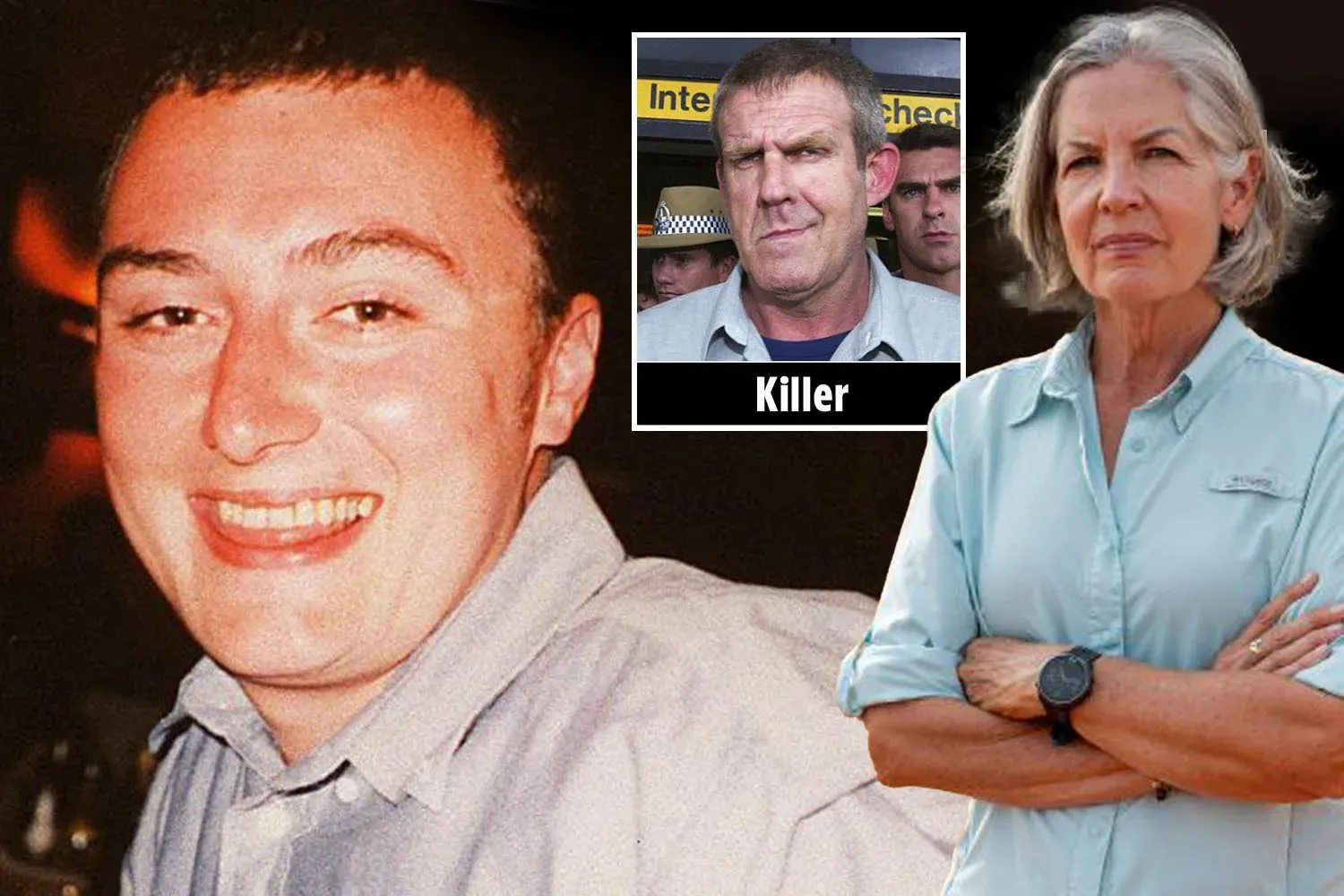
Falconio was shot and killed on July 14, 2001, while on a road trip with his girlfriend Joanne Lees near Barrow Creek. His killer, Bradley John Murdoch, was later convicted of the crime but never revealed what became of Falconio’s body.
The case has haunted Australia ever since, with many wondering what happened to the 28-year-old backpacker. Whitehead’s formula suggests that Falconio’s remains could be 70 kilometres from the scene of the crime, east of the Stuart Highway.
Whitehead’s research-backed theory is that Falconio’s body was concealed using materials readily available in the immediate vicinity, such as leaves or broken branches.
He doesn’t believe that Murdoch would have gone to the trouble of digging a shallow grave, as this would have been easily detectable by aerial surveillance.
Instead, Whitehead thinks that Murdoch may have simply covered Falconio’s body with whatever was available and left the area.
NT Police have searched for Falconio’s remains several times over the years, but to no avail. The search area is vast and remote, making it a “needle in a haystack job,” according to Whitehead.
However, he remains hopeful that his formula can help investigators finally find Falconio’s body and bring closure to his family.
“You can’t really get closure until you have something to mourn over, and even if we only find a bone or a sliver of something, it gives the family something to bury, something to create a grave and a memorial to,” Whitehead said.
NT Police Commissioner Martin Dole has expressed his commitment to finding Falconio’s remains and delivering answers to his family.
“His cowardly silence has denied his family, friends and loved ones the closure they deserve,” Commissioner Dole said of Murdoch, who died last year without disclosing the location of Falconio’s body.
A $500,000 reward remains in place for information that leads to the discovery of Falconio’s remains.
Analysis: What This Means for Australia
The Peter Falconio case has significant implications for national security and law enforcement in Australia.
The fact that Murdoch was able to commit such a heinous crime and evade detection for so long raises serious questions about the effectiveness of our justice system.
Furthermore, the case highlights the need for continued investment in search-and-rescue operations and the importance of developing new technologies and strategies to aid in the location of missing persons.
Security analysts say that the Falconio case is a prime example of the need for a more coordinated approach to national security, particularly in remote and rural areas.
“This case highlights the importance of sharing intelligence and best practices between law enforcement agencies,” said one analyst. “It also underscores the need for increased resources and support for search-and-rescue operations, particularly in areas where the terrain is challenging.”
Law enforcement insiders warn that the Falconio case is not an isolated incident and that there are likely many other cases of missing persons in Australia that remain unsolved.
“This case is a stark reminder of the need for a more proactive approach to investigating missing persons cases,” said one insider. “We need to be more proactive in sharing information and working together to bring closure to families and loved ones.”
Industry observers believe that the Falconio case has significant economic and social consequences, particularly for the tourism industry. “This case has had a lasting impact on the tourism industry in the Northern Territory,” said one observer.
“It has also raised serious concerns about safety and security in remote areas.”