
‘Billionaire’s Puppet Strings’: Pauline Hanson’s One Nation Under Fire for ‘Dangerous’ Economic Policies and Ties to Mining Magnate Gina Rinehart
- Exclusive: Pauline Hanson’s One Nation faces intense scrutiny over its economic policies, with critics warning of a ‘trillion-dollar black hole’
- One Nation’s treasury spokesman Barnaby Joyce sparks confusion with calls for the Reserve Bank to target money supply, a policy deemed ‘simplistic’ and ‘outdated’
- Gina Rinehart’s influence on One Nation’s policies raises concerns, with the mining billionaire’s own ideas including a ‘special economic zone’ in northern Australia
- Experts warn of ‘exceptionally risky’ policies, including 30-year fixed-rate mortgages and a drastic overhaul of the Reserve Bank’s role
Australia is bracing for a potential economic storm as Pauline Hanson’s One Nation party faces intense scrutiny over its radical policies, with critics warning of a ‘trillion-dollar black hole’ if the party forms government.
At the centre of the controversy is Hanson’s close relationship with mining billionaire Gina Rinehart, who is accused of pulling the strings behind the scenes.
One Nation’s treasury spokesman Barnaby Joyce has sparked confusion with his calls for the Reserve Bank to target money supply, a policy that was abandoned in the 1980s and deemed ‘simplistic’ and ‘outdated’ by experts.
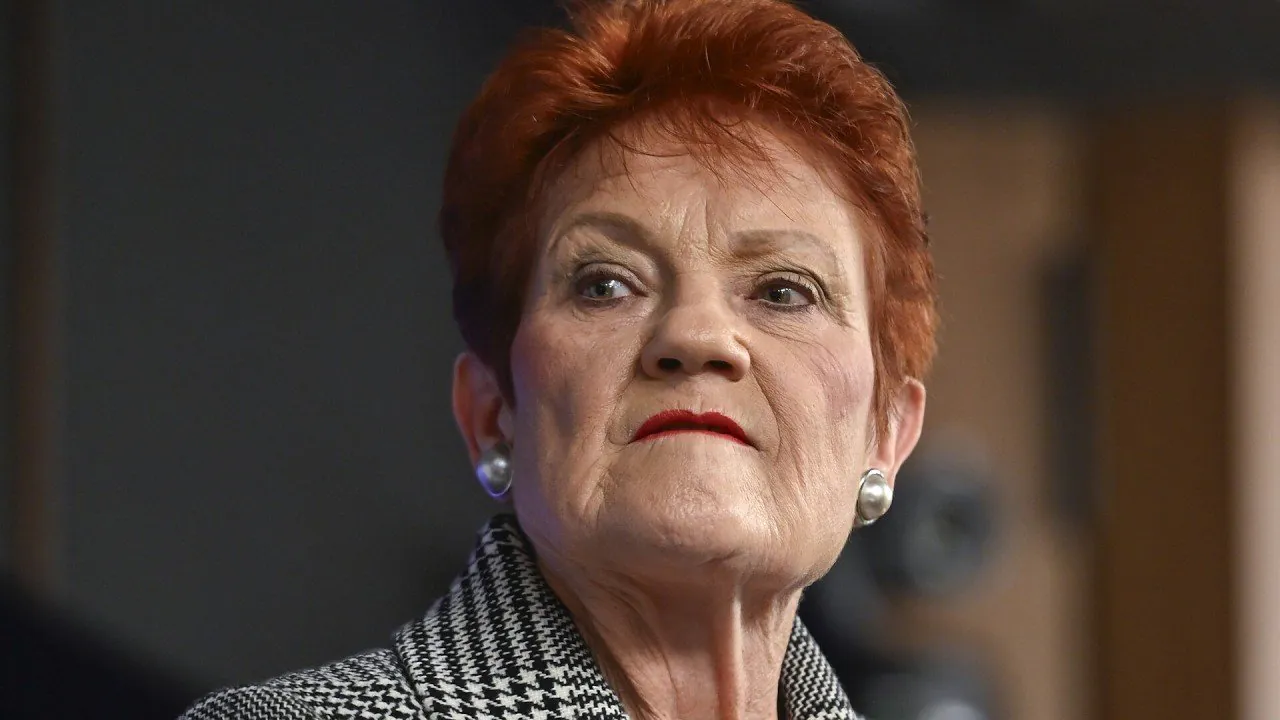
Joyce’s comments have raised concerns about the party’s understanding of economics and its ability to manage the nation’s finances. Hanson has also come under fire for her close ties to Rinehart, who has donated millions to the party and gifted Hanson a plane.
Rinehart’s influence on One Nation’s policies is raising eyebrows, with the mining billionaire’s own ideas including a ‘special economic zone’ in northern Australia. The proposal would see the top half of the continent become a tax-free haven, with significant tax advantages to attract investment.
Experts are warning of the dangers of One Nation’s policies, including its plan to offer 30-year fixed-rate mortgages at 5 per cent interest through Australia Post.
Challenger chief economist Jonathan Kearns has described the policy as ‘exceptionally risky’, warning that it could cost hundreds of billions of dollars and transfer significant risk onto the government’s balance sheet.
The party’s policies are also being scrutinised for their potential impact on the environment, with plans to build three new coal-fired power plants and withdraw from the Paris Agreement.
The proposals have sparked outrage among environmental groups, who are warning of the devastating consequences of such actions.
Analysis: What This Means for Australia
One Nation’s economic policies pose a significant risk to Australia’s financial stability and national security.
The party’s plans to drastically overhaul the Reserve Bank’s role and implement ‘simplistic’ economic policies could have far-reaching consequences for the nation’s economy.
The influence of Gina Rinehart on the party’s policies raises concerns about the potential for corruption and the prioritisation of private interests over the public good.
Security analysts say that One Nation’s policies could also have significant implications for Australia’s national security, with the party’s plans to slash immigration and deport thousands of people potentially creating a security risk.
Law enforcement insiders warn that the party’s policies could also lead to a rise in organised crime and social unrest.
Industry observers believe that One Nation’s policies could also have significant economic consequences, with the party’s plans to withdraw from the Paris Agreement and build new coal-fired power plants potentially damaging Australia’s reputation as a responsible global citizen.
As the 2028 federal election approaches, Australians are being warned to carefully consider the potential consequences of a One Nation government.
With the party’s policies under intense scrutiny, it remains to be seen whether Hanson’s party can convince voters that it has the expertise and vision to manage the nation’s economy.
Australia is bracing for a potential economic storm as Pauline Hanson’s One Nation party faces intense scrutiny over its radical policies, with critics warning of a ‘trillion-dollar black hole’ if the party forms government. At the centre of the controversy is Hanson’s close relationship with mining billionaire Gina Rinehart, who is accused of pulling the strings behind the scenes.
One Nation’s treasury spokesman Barnaby Joyce has sparked confusion with his calls for the Reserve Bank to target money supply, a policy that was abandoned in the 1980s and deemed ‘simplistic’ and ‘outdated’ by experts. Joyce’s comments have raised concerns about the party’s understanding of economics and its ability to manage the nation’s finances.
Hanson has also come under fire for her close ties to Rinehart, who has donated millions to the party and gifted Hanson a plane. Rinehart’s influence on One Nation’s policies is raising eyebrows, with the mining billionaire’s own ideas including a ‘special economic zone’ in northern Australia. The proposal would see the top half of the continent become a tax-free haven, with significant tax advantages to attract investment.
Experts are warning of the dangers of One Nation’s policies, including its plan to offer 30-year fixed-rate mortgages at 5 per cent interest through Australia Post. Challenger chief economist Jonathan Kearns has described the policy as ‘exceptionally risky’, warning that it could cost hundreds of billions of dollars and transfer significant risk onto the government’s balance sheet.
The party’s policies are also being scrutinised for their potential impact on the environment, with plans to build three new coal-fired power plants and withdraw from the Paris Agreement. The proposals have sparked outrage among environmental groups, who are warning of the devastating consequences of such actions.
Analysis: What This Means for Australia
One Nation’s economic policies pose a significant risk to Australia’s financial stability and national security. The party’s plans to drastically overhaul the Reserve Bank’s role and implement ‘simplistic’ economic policies could have far-reaching consequences for the nation’s economy. The influence of Gina Rinehart on the party’s policies raises concerns about the potential for corruption and the prioritisation of private interests over the public good.
Security analysts say that One Nation’s policies could also have significant implications for Australia’s national security, with the party’s plans to slash immigration and deport thousands of people potentially creating a security risk. Law enforcement insiders warn that the party’s policies could also lead to a rise in organised crime and social unrest.
Industry observers believe that One Nation’s policies could also have significant economic consequences, with the party’s plans to withdraw from the Paris Agreement and build new coal-fired power plants potentially damaging Australia’s reputation as a responsible global citizen.
As the 2028 federal election approaches, Australians are being warned to carefully consider the potential consequences of a One Nation government. With the party’s policies under intense scrutiny, it remains to be seen whether Hanson’s party can convince voters that it has the expertise and vision to manage the nation’s economy.