‘Stitch-Up’ or Fair Report: The Real Story Behind Pauline Hanson’s Explosive Immigration Documentary
- Pauline Hanson claims a Seven producer pitched her a documentary on “uncontrolled immigration” but the final product was a “stitch-up” aimed at discrediting her.
- The One Nation leader shared an email from producer Luke Mortimer, revealing a proposed meeting with Nigel Farage and a visit to a British seaside town overwhelmed by migrants.
- The documentary sparked a heated debate on immigration, with Hanson’s team accusing Seven of manipulation and the network defending its “balanced” reporting.
- As the controversy rages on, questions are being raised about the impact of uncontrolled immigration on Australia’s future and Hanson’s role in the nation’s debate.
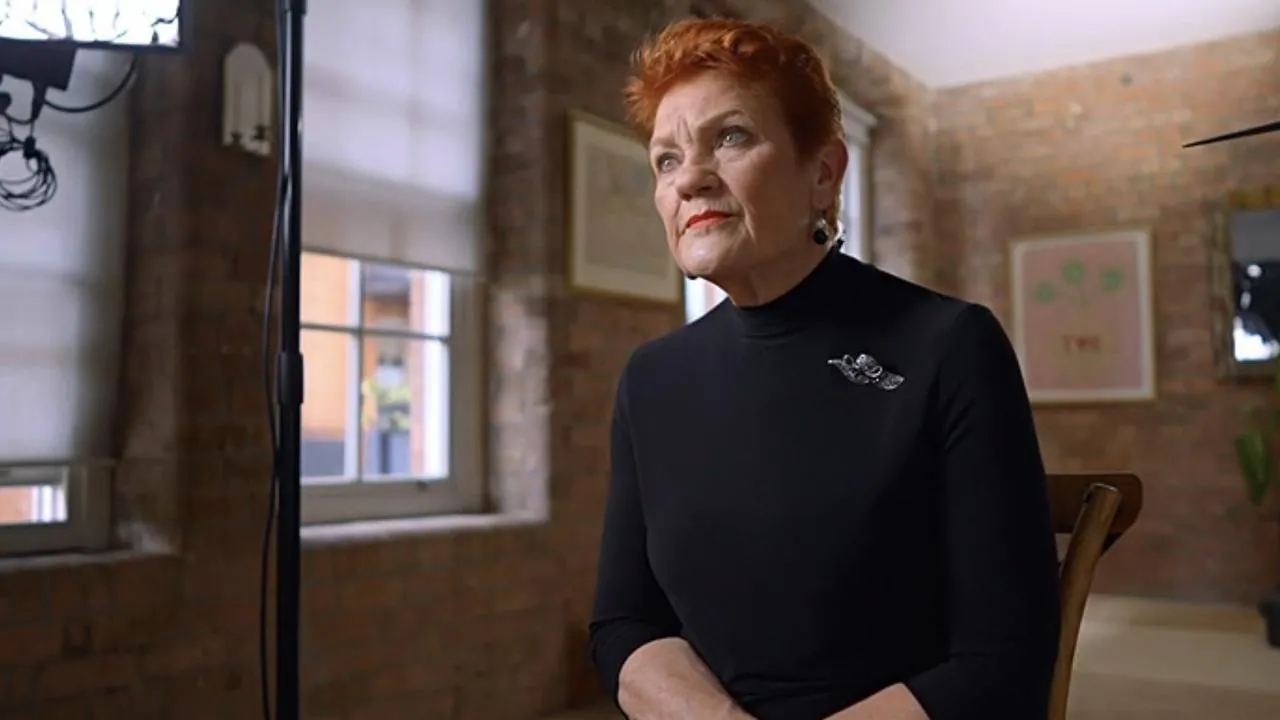
The recent documentary on Pauline Hanson’s immigration views has sparked a firestorm of controversy, with the One Nation leader accusing Seven of a “stitch-up” designed to discredit her.
But what really happened behind the scenes?
The saga began in November, when Seven producer Luke Mortimer approached Hanson with an idea for a documentary on “uncontrolled immigration.” In an email, Mortimer pitched a meeting between Hanson and Nigel Farage, the then-leader of the anti-immigration party Reform UK, to discuss the issue.
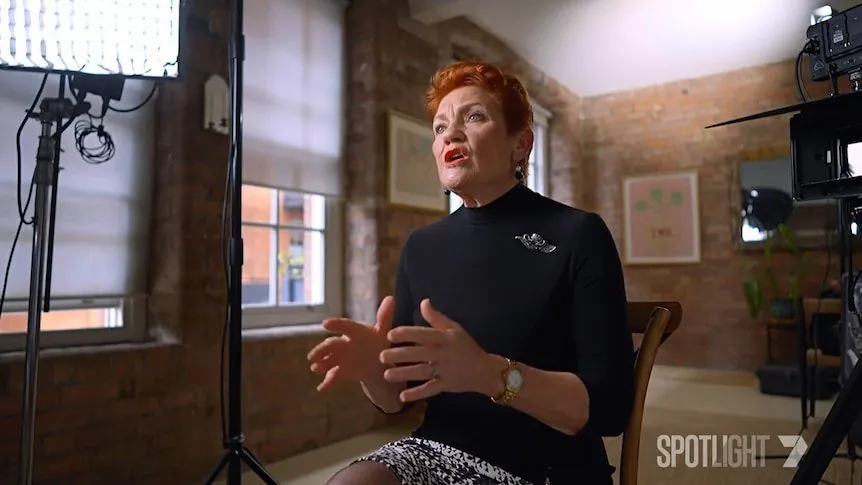
The proposal included a visit to a British seaside town, such as Bournemouth, which had seen a surge in foreign-born residents. However, the final product, which aired on Sunday, was vastly different from the original pitch.
Hanson’s team claims that Seven’s journalist, Liam Bartlett, grilled her over her anti-immigration stance and her decision to meet with convicted criminal Tommy Robinson. The documentary also included a segment questioning Hanson’s “intellectual capacity” to lead the country.

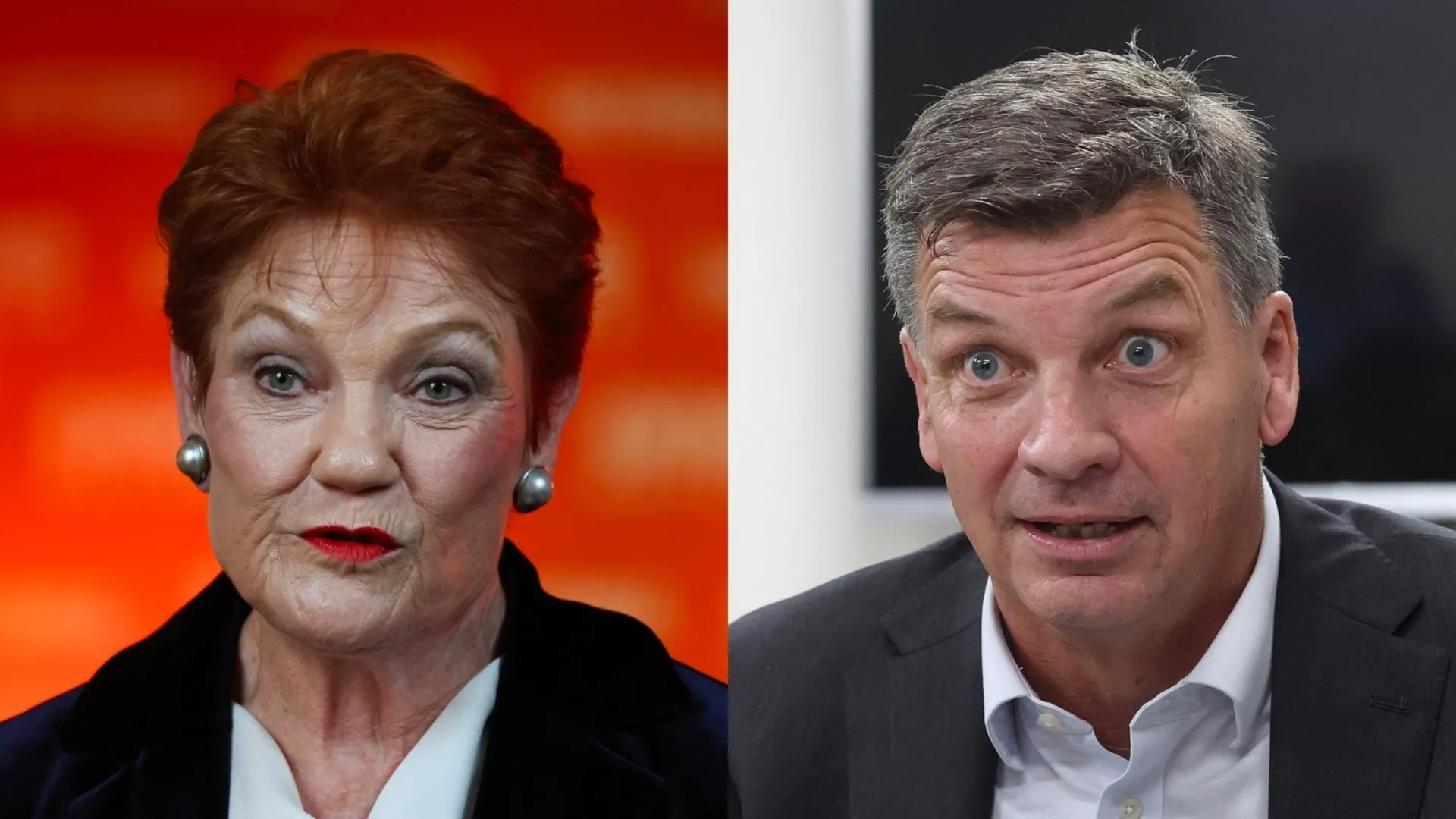

So, what changed between the original pitch and the final product? According to Hanson, the documentary was a deliberate attempt to discredit her and her views on immigration.
Her team claims that Seven’s producer, Luke Mortimer, had a clear agenda to portray Hanson in a negative light. But Seven has defended its reporting, saying that the documentary was “balanced” and allowed Hanson’s views to be explored and heard.
The network also claimed that Hanson’s team had organized the meeting with Tommy Robinson before the Spotlight crew knew about it. As the controversy rages on, questions are being raised about the impact of uncontrolled immigration on Australia’s future.
Hanson’s views on the issue have sparked a heated debate, with many calling for a more nuanced approach to immigration policy.
Analysis: What This Means for AustraliaThe debate over immigration is a complex and multifaceted one, with far-reaching implications for Australia’s national security, economy, and social fabric.
As the country grapples with the challenges of uncontrolled immigration, Hanson’s views have become a lightning rod for controversy.
While some argue that Hanson’s stance on immigration is extreme, others see her as a voice for those who are concerned about the impact of mass migration on Australian society.
As the debate rages on, it’s clear that the issue of immigration will continue to be a major talking point in Australian politics. Security analysts say that uncontrolled immigration poses a significant threat to national security, with the potential for extremist ideologies to take hold in Australia.
Law enforcement insiders warn that the influx of migrants is putting a strain on the country’s resources, making it harder to detect and prevent crimes. Industry observers believe that the immigration debate is a symptom of a larger issue – the need for a more nuanced approach to immigration policy.
They argue that Australia needs to strike a balance between welcoming migrants and protecting the country’s interests.
As the debate continues, one thing is clear: the issue of immigration will remain a contentious and complex one, with far-reaching implications for Australia’s future.
Expert commentary from security analysts and law enforcement insiders suggests that the issue of immigration is a pressing concern for Australia’s national security. As the country grapples with the challenges of uncontrolled immigration, it’s clear that a more nuanced approach is needed.
One Nation’s Chief of Staff, James Ashby, has accused Seven of a “stitch-up,” claiming that the documentary was designed to discredit Hanson and her views on immigration.
Ashby said that the meeting with Tommy Robinson was organized by Channel Seven and that the network paid for the room and security. However, Seven has defended its reporting, saying that the documentary was “balanced” and allowed Hanson’s views to be explored and heard.
The network also claimed that Hanson’s team had organized the meeting with Tommy Robinson before the Spotlight crew knew about it. As the controversy rages on, it’s clear that the issue of immigration will continue to be a major talking point in Australian politics.
With Hanson’s views sparking a heated debate, it’s essential to examine the facts and consider the implications of uncontrolled immigration on Australia’s future. In the end, the question remains: what does the future hold for Australia’s immigration policy?
Will the country adopt a more nuanced approach, or will the debate continue to be dominated by extremes? Only time will tell.
The recent documentary on Pauline Hanson’s immigration views has sparked a firestorm of controversy, with the One Nation leader accusing Seven of a “stitch-up” designed to discredit her. But what really happened behind the scenes?
The saga began in November, when Seven producer Luke Mortimer approached Hanson with an idea for a documentary on “uncontrolled immigration.” In an email, Mortimer pitched a meeting between Hanson and Nigel Farage, the then-leader of the anti-immigration party Reform UK, to discuss the issue. The proposal included a visit to a British seaside town, such as Bournemouth, which had seen a surge in foreign-born residents.
However, the final product, which aired on Sunday, was vastly different from the original pitch. Hanson’s team claims that Seven’s journalist, Liam Bartlett, grilled her over her anti-immigration stance and her decision to meet with convicted criminal Tommy Robinson. The documentary also included a segment questioning Hanson’s “intellectual capacity” to lead the country.
So, what changed between the original pitch and the final product? According to Hanson, the documentary was a deliberate attempt to discredit her and her views on immigration. Her team claims that Seven’s producer, Luke Mortimer, had a clear agenda to portray Hanson in a negative light.
But Seven has defended its reporting, saying that the documentary was “balanced” and allowed Hanson’s views to be explored and heard. The network also claimed that Hanson’s team had organized the meeting with Tommy Robinson before the Spotlight crew knew about it.
As the controversy rages on, questions are being raised about the impact of uncontrolled immigration on Australia’s future. Hanson’s views on the issue have sparked a heated debate, with many calling for a more nuanced approach to immigration policy.
The debate over immigration is a complex and multifaceted one, with far-reaching implications for Australia’s national security, economy, and social fabric. As the country grapples with the challenges of uncontrolled immigration, Hanson’s views have become a lightning rod for controversy.
While some argue that Hanson’s stance on immigration is extreme, others see her as a voice for those who are concerned about the impact of mass migration on Australian society. As the debate rages on, it’s clear that the issue of immigration will continue to be a major talking point in Australian politics.
Security analysts say that uncontrolled immigration poses a significant threat to national security, with the potential for extremist ideologies to take hold in Australia. Law enforcement insiders warn that the influx of migrants is putting a strain on the country’s resources, making it harder to detect and prevent crimes.
Industry observers believe that the immigration debate is a symptom of a larger issue – the need for a more nuanced approach to immigration policy. They argue that Australia needs to strike a balance between welcoming migrants and protecting the country’s interests.
As the debate continues, one thing is clear: the issue of immigration will remain a contentious and complex one, with far-reaching implications for Australia’s future.
Expert commentary from security analysts and law enforcement insiders suggests that the issue of immigration is a pressing concern for Australia’s national security. As the country grapples with the challenges of uncontrolled immigration, it’s clear that a more nuanced approach is needed.
One Nation’s Chief of Staff, James Ashby, has accused Seven of a “stitch-up,” claiming that the documentary was designed to discredit Hanson and her views on immigration. Ashby said that the meeting with Tommy Robinson was organized by Channel Seven and that the network paid for the room and security.
However, Seven has defended its reporting, saying that the documentary was “balanced” and allowed Hanson’s views to be explored and heard. The network also claimed that Hanson’s team had organized the meeting with Tommy Robinson before the Spotlight crew knew about it.
As the controversy rages on, it’s clear that the issue of immigration will continue to be a major talking point in Australian politics. With Hanson’s views sparking a heated debate, it’s essential to examine the facts and consider the implications of uncontrolled immigration on Australia’s future.
In the end, the question remains: what does the future hold for Australia’s immigration policy? Will the country adopt a more nuanced approach, or will the debate continue to be dominated by extremes? Only time will tell.