
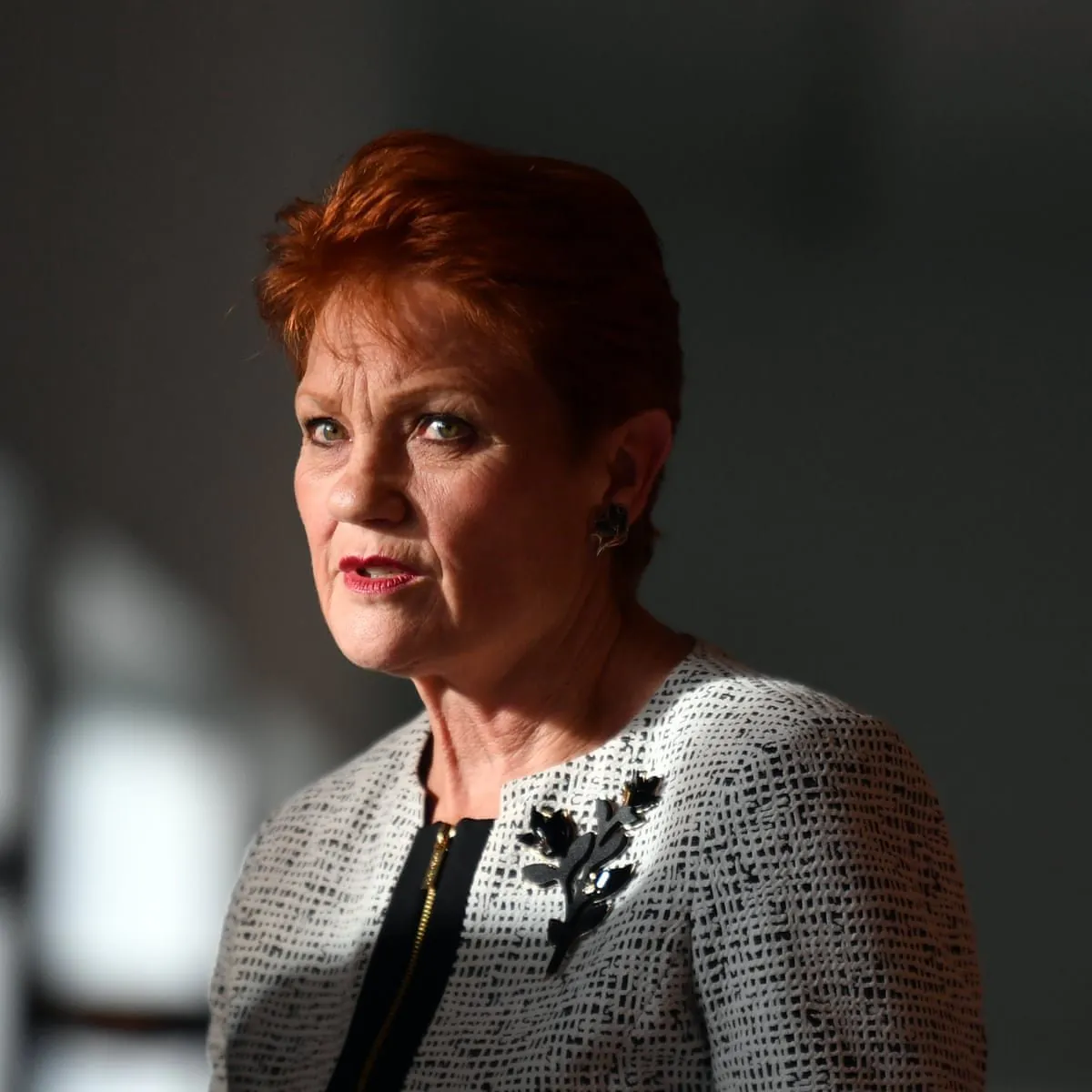
Pauline Hanson Sparks Outrage with Call to Ban Migration from ‘Radical Islamic Countries’ – But at What Cost to Australia’s National Security?
- One Nation leader Pauline Hanson sparks controversy with her latest comments on migration, calling for a ban on people from ‘radical Islamic countries’.
- Her remarks come after a trip to the UK, where she met with far-right activist Tommy Robinson and blamed the end of the White Australia policy for migration issues in Australia.
- Experts warn that Hanson’s comments could fuel division and hate speech, putting Australia’s national security at risk.
- As tensions rise, the country is left to wonder: what does this mean for Australia’s future, and how will it impact our communities?
Pauline Hanson’s latest comments on migration have sparked outrage across the country, with many calling for her to be held accountable for her words.
The One Nation leader’s call to ban people from ‘radical Islamic countries’ has been met with widespread criticism, with experts warning that it could fuel division and hate speech.
But what sparked this latest controversy? Hanson’s comments come after a trip to the UK, where she met with far-right activist Tommy Robinson.
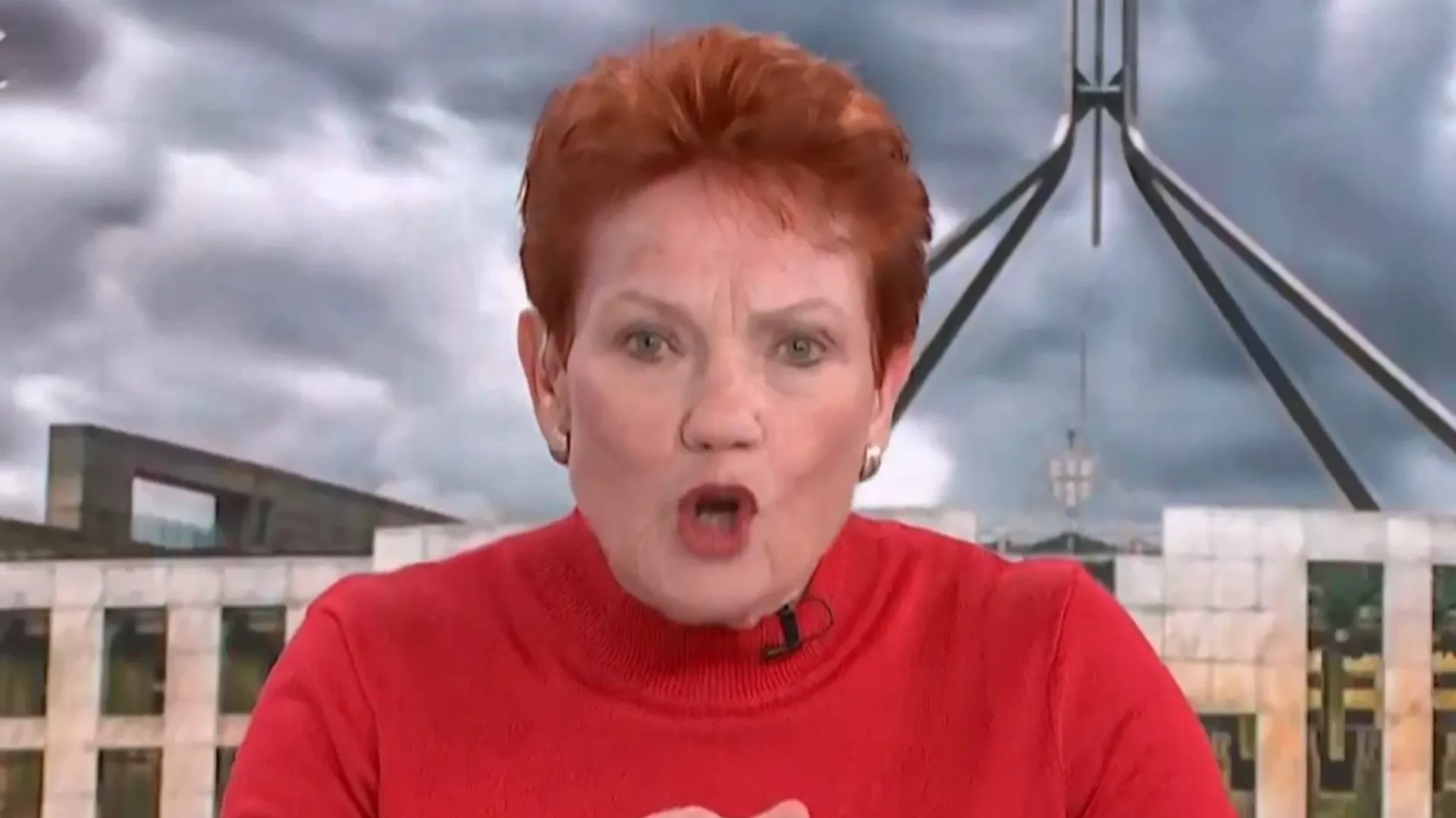
During an interview with Robinson, Hanson blamed the end of the White Australia policy for migration issues in Australia, sparking a heated debate about the country’s immigration policies.
So, what is the White Australia policy, and how did it shape the country’s immigration laws? The policy, which was introduced in 1901, aimed to restrict non-European immigration and preserve Australia as a predominantly white, British society.
It wasn’t until 1973, when former prime minister Gough Whitlam abolished the policy, that Australia began to open its doors to people from diverse backgrounds.
But Hanson’s comments have sparked concerns about the impact on Australia’s national security. Experts warn that her rhetoric could fuel division and hate speech, putting the country at risk of radicalization and terrorism.
“You’ve got to call out the elephant in the room,” Hanson said during a speech in Perth. “I don’t want people coming to this country from radical Islamic countries.
I don’t want that here. I want to protect the Australian people, I want them to feel safe in the streets.”
Analysis: What This Means for Australia
Hanson’s comments have sparked a heated debate about Australia’s immigration policies and their impact on national security. But what does this mean for the country’s future?
Experts warn that her rhetoric could have serious consequences, fueling division and hate speech. “This kind of language is not only divisive, but it’s also dangerous,” said one security analyst.
“It can create an environment where people feel comfortable expressing extremist views, and that’s a recipe for disaster.”
Law enforcement insiders also warn that Hanson’s comments could put a strain on community relations, making it harder for police to build trust with minority groups.
“When politicians use language like this, it creates a sense of us versus them,” said one police source. “It makes our job harder, and it puts the community at risk.”
As tensions rise, the country is left to wonder: what does this mean for Australia’s future, and how will it impact our communities? One thing is certain: Hanson’s comments have sparked a critical debate about the country’s immigration policies and their impact on national security.
As the country moves forward, it’s essential that we prioritize unity and inclusivity, rather than division and hate speech.
Expert Commentary
Security analysts say that Hanson’s comments are a classic example of how politicians can fuel division and hate speech. “This kind of language is not only divisive, but it’s also dangerous,” said one analyst.
“It can create an environment where people feel comfortable expressing extremist views, and that’s a recipe for disaster.”
Law enforcement insiders also warn that Hanson’s comments could put a strain on community relations, making it harder for police to build trust with minority groups.
“When politicians use language like this, it creates a sense of us versus them,” said one police source. “It makes our job harder, and it puts the community at risk.”
Industry observers believe that Hanson’s comments are a symptom of a larger problem: a lack of nuanced discussion about immigration and national security. “We need to have a more informed conversation about these issues,” said one observer.
“We need to look at the facts, rather than relying on emotive language and rhetoric.”