Tesla’s Electric Dream Turns Sour: How Australia’s Insatiable Hunger for EVs Masks a $570m Profit Plunge
- Tesla’s Australian sales soar, with the Model Y becoming the country’s best-selling car in June, but the company’s global profits plummet 57% to $570m
- Aggressive AI investments and competitive pricing take a toll on Tesla’s operating margin, which slumps to 1.4% from 4.1% last year
- Despite record sales, Tesla’s operating expenses jump 47% to $6.1 billion, driven by heavy spending on AI, robots, and driverless technology
- Elon Musk’s personal wealth takes a hit, falling by around $57 billion as Tesla’s share price drops 17% this year
Tesla’s latest financial results have sent shockwaves through the automotive industry, with the electric car maker’s profits taking a significant hit despite record sales in Australia.
The company’s second-quarter results, released on Thursday, revealed a 57% plunge in operating income to $570m, sparking concerns about the sustainability of its business model.
On the surface, Tesla’s Australian performance appears to be a resounding success.
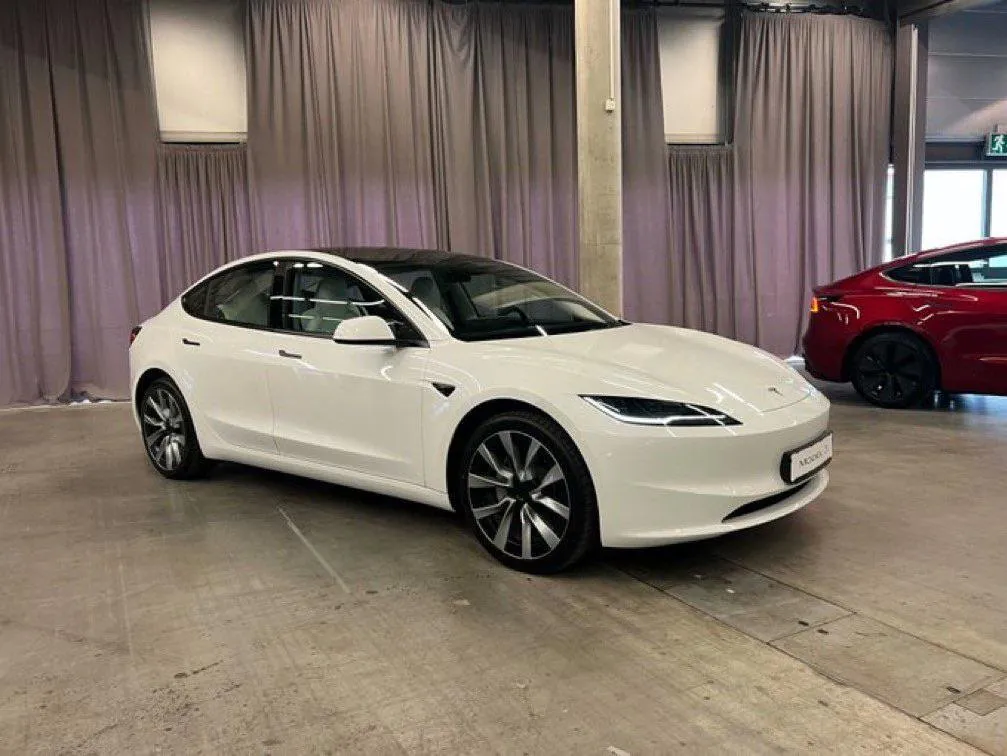
The company delivered over 8,000 Tesla Model Y vehicles in June alone, a record for the brand and a testament to the country’s growing appetite for electric vehicles.
The Model Y has now become the best-selling car in Australia for two consecutive months, a first for an EV. But beneath the surface, Tesla’s financials paint a more complex picture.



The company’s operating expenses have skyrocketed, driven by aggressive investments in AI, a humanoid Optimus robot, and its driverless robotaxi service.
Elon Musk has touted the potential of AI-powered robots to revolutionize household tasks and childcare, with plans to sell them for between $42,000 and $56,000.
However, this vision comes at a cost, with operating expenses jumping 47% to $6.1 billion in the three months to June.
Tesla has also been hit by the collapse of the regulatory credit market, a major source of profits in the past.
The decline of this market has been driven by governments, including the Trump Administration, pulling back on offering credits to car makers that fail to meet fuel economy standards.
This has left Tesla scrambling to find new revenue streams to offset the loss.
One bright spot for Tesla has been the success of its Full Self Driving (Supervised) technology, which has seen subscriptions reach almost 1.5 million. The rollout of FSD in Australia last year marked a significant milestone, with the country becoming the sixth in the world to adopt the technology.
However, this growth is not enough to offset the company’s overall decline in profitability.
Analysis: What This Means for Australia
Tesla’s struggles have significant implications for Australia’s automotive market. As the company continues to invest heavily in AI and driverless technology, it is likely to have a profound impact on the country’s transportation landscape.
With the federal government committed to reducing carbon emissions, electric vehicles are set to play an increasingly important role in Australia’s transport mix.
However, the decline of Tesla’s profitability raises questions about the sustainability of its business model.
As the company continues to invest in new technologies, it is likely to face increased competition from other car makers, who are also investing heavily in electric and autonomous vehicles.
This could lead to a period of consolidation in the industry, with smaller players struggling to compete.
Security analysts warn that the growing reliance on AI and driverless technology also raises concerns about cybersecurity and the potential for hacking.
As Tesla and other car makers continue to invest in these technologies, they will need to ensure that they have robust security measures in place to protect their systems and customers.
Industry observers believe that Tesla’s struggles will have a ripple effect on the broader automotive industry, with car makers forced to reassess their business models and investment strategies.
As the company continues to navigate this challenging period, it is likely to have a profound impact on the future of transport in Australia.