Native Title Recognition Sparks Hope for Nganjuwarr People as 97% of Kimberley Land Now Covered
- Nganjuwarr native title recognised over 900 square kilometres of land and waters in northern Western Australia
- Traditional owners vow to engage with resources companies to protect their country
- Recognition brings total native title coverage of the Kimberley to 97%
- Mining company Tivan Limited welcomes the decision, citing existing partnership with Nganjuwarr traditional owners
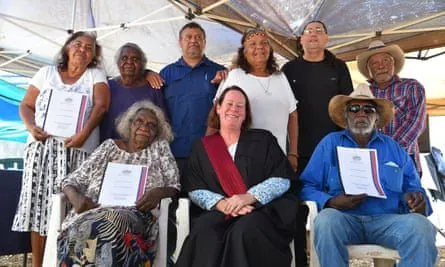
The Nganjuwarr people have achieved a major milestone in their fight for native title recognition, with the Federal Court formally acknowledging their rights over 900 square kilometres of country in the East Kimberley.
The decision, handed down during an on-country hearing, brings the total native title coverage of the Kimberley to an impressive 97%.
For traditional owners like Lucilla Martin, the moment was bittersweet – a mix of joy and sadness as she remembered family members who had passed away during the long journey to recognition.
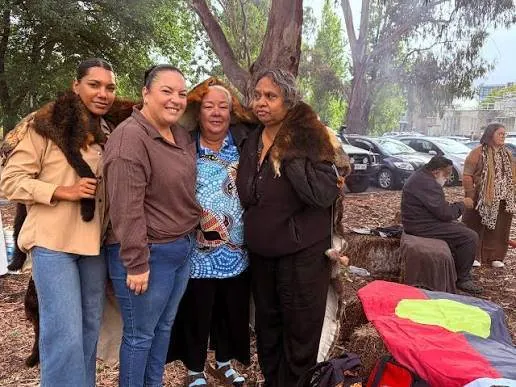
The Nganjuwarr native title claim, filed in 2024, covers 960 square kilometres of the East Kimberley.
On Wednesday, Federal Court Justice Erin Longbottom awarded claimants exclusive rights over that area, paving the way for traditional owners to engage with resources companies on their own terms.




The Kimberley Land Council, which represented the claim group, hailed the recognition as a significant step forward.
Deputy chief executive Sarah Parriman said it put traditional owners in a stronger negotiating position, allowing them to have their voices heard and strengthen their rights and interests.
One of the companies set to engage with the Nganjuwarr people is Tivan Limited, which is seeking approval to expand its groundwater extraction for its Speewah Project, the largest mining venture on Nganjuwarr country.
Executive chairman Grant Wilson welcomed the decision, citing the company’s existing partnership with Nganjuwarr traditional owners and the Kimberley Land Council. However, traditional owner Raphael Sampi sounded a note of caution, warning that mining could “make our country look ugly”.
Despite this, he expressed his willingness to engage in talks with Tivan, vowing to “talk up for the country” and ensure that any development is done responsibly.
The recognition of the Nganjuwarr native title is a significant development in the long and complex history of Indigenous land rights in Australia. The Native Title Act, passed in 1993, was designed to provide a framework for the recognition and protection of Indigenous rights to land and waters.
However, the process has been slow and often contentious, with many Indigenous groups facing significant barriers in their pursuit of native title recognition.
Analysis: What This Means for Australia
The Nganjuwarr native title recognition has significant implications for Australia’s Indigenous communities and the broader nation.
It highlights the importance of recognising and respecting Indigenous rights to land and waters, and the need for greater collaboration and consultation between Indigenous groups, governments, and industry.
As the country continues to grapple with the challenges of Indigenous disadvantage and reconciliation, the Nganjuwarr decision offers a glimmer of hope – a reminder that, with determination and perseverance, Indigenous Australians can achieve justice and recognition.
Security analysts say that the recognition of native title rights can also have significant implications for national security, particularly in regions with high levels of mining and resource extraction activity.
By engaging with Indigenous groups and respecting their rights, companies can reduce the risk of conflict and improve their social licence to operate. This, in turn, can help to promote greater stability and security in these regions.
Law enforcement insiders warn that the Nganjuwarr decision may also have implications for the policing of Indigenous lands. As Indigenous groups assert their rights and interests, there may be a need for greater cooperation and coordination between police and Indigenous communities.
This could involve the development of new protocols and procedures for policing Indigenous lands, as well as greater investment in Indigenous-led policing initiatives.
Industry observers believe that the Nganjuwarr decision may also have significant economic implications, particularly in the mining and resources sector.
By recognising Indigenous rights and engaging with Indigenous groups, companies can reduce the risk of costly delays and disputes, and improve their reputation and social licence to operate.
This, in turn, can help to promote greater investment and economic growth in these regions.