

Female Apprentices Smash Stereotypes in Male-Dominated Trades, But Challenges Remain
- Queensland women are breaking down barriers in male-dominated trades, with the number of female butcher apprentices more than tripling since 2020.
- Experts warn that despite progress, more support is needed to help female apprentices complete their qualifications and overcome serious challenges like sexism and harassment.
- A lack of support during pregnancy and childcare is also forcing women out of the trades, with some industries producing no female tradespeople in recent years.
- Government programs are driving cultural change, but more needs to be done to attract women to a broader range of industries with national skills shortages.
Kirsten Drinkwater’s dream of working in her local butcher has finally come true. The 19-year-old is one of a growing number of Queensland women taking up the meat cleaver in this traditionally male-dominated role.
As she works through a bucket of slimy chicken carcasses, she’s living proof that cultural attitudes are changing. “I just think it’s becoming more accessible for us,” she says.
“There’s a lot less fear of being discriminated against… I can just feel it, something is happening and the world’s just becoming a little bit more inclusive.”
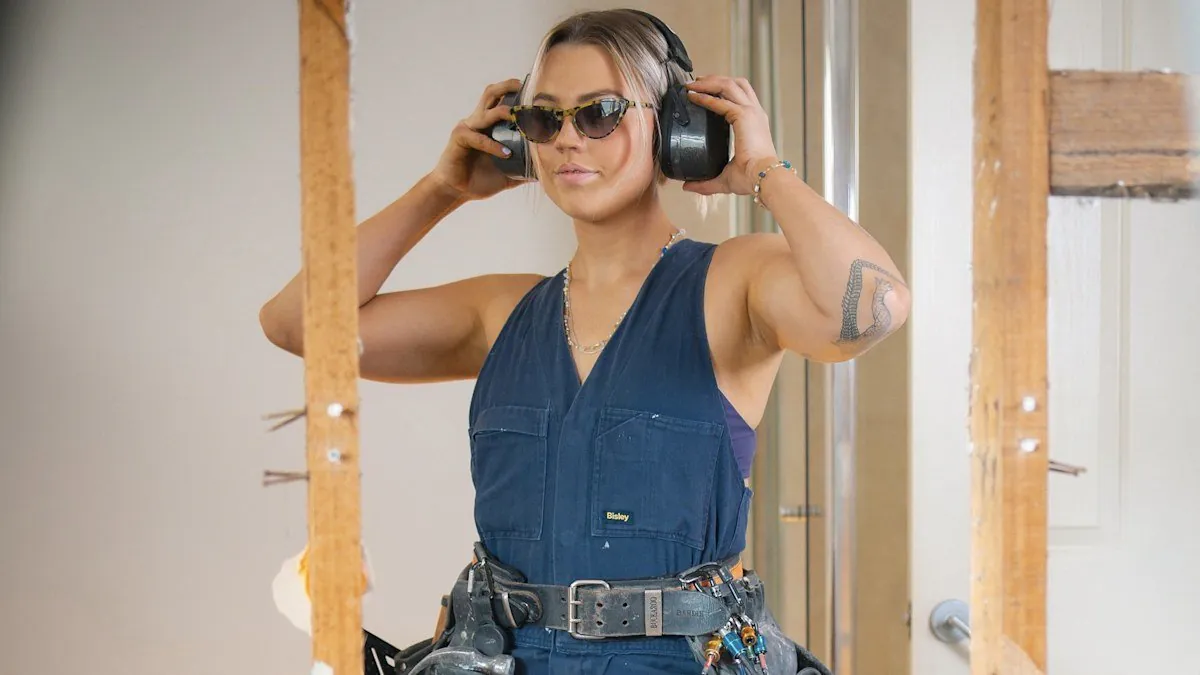
The numbers back up Kirsten’s optimism. In Queensland, 35 women started a butcher’s apprenticeship last year, 10 more than in 2022.
The number of female apprentice butchers has more than tripled since 2020, according to the National Centre for Vocational Education Research. Similar trends are seen in other trades, including plumbers, electricians, and refrigeration and air-conditioning mechanics.
However, the number of women starting hairdressing apprenticeships has dropped by nearly 200 in the same period.
Experts say improved public messaging and increasing numbers of role models are drawing more women to the trades. But despite this progress, more support is needed to help female apprentices complete their qualifications.
Of the 25 women who started a four-year butcher’s apprenticeship in 2022, only 10 completed in 2025. Some sectors have produced no female tradespeople in recent years.
“I think we are seeing a real, if modest, shift towards some of the non-traditional occupations for women,” says Sarojni Choy, a researcher in adult vocational education at Griffith University.
“The challenge now is to convert that interest into sustained participation and completion.”
Female apprentices face serious challenges, including sexism and harassment.
Rae Cooper, director of the Australian Centre for Gender Equality and Inclusion at Work at the University of Sydney, says 25% of women working in automotive trades have directly experienced sexual harassment at work.
“Everyday sexism, or actually pretty nasty sexism, we find are an experience of lots of women apprentices,” she says. Cooper’s research project found that women often advise younger apprentices to avoid getting pregnant during their apprenticeship due to a lack of support.
Analysis: What This Means for Australia
The increasing number of women in male-dominated trades is a positive trend, but it’s crucial to address the challenges they face. National security and economic implications are at stake, as skilled tradespeople are in high demand.
The government’s Building Women’s Careers Program has awarded $54.5 million towards driving cultural change, but more needs to be done to attract women to a broader range of industries with national skills shortages.
Industry insiders warn that without sustained support, female apprentices may not complete their qualifications, exacerbating existing skills shortages.
Law enforcement and workplace relations experts say that employers must take proactive steps to end workplace sex discrimination and harassment. The federal government’s new laws requiring employers to take action have brought positive change to many workplaces, but some aren’t taking it seriously enough.
As Cooper says, “The next generation of people who are commencing apprenticeships, particularly the young women, is less likely to put up with some of the things that women of their mothers’ generation might have put up with.”
As Kirsten Drinkwater plans to travel to Germany and Spain to learn about the small goods trade, she advises any girls seeking to follow in her footsteps to do their research when choosing an employer.
“It can be difficult to find a workplace where you’re accepted,” she says.
“But once you find the perfect spot, it’s pretty easy to settle down and just get into it.” With the right support and cultural shift, more women like Kirsten can succeed in male-dominated trades, driving economic growth and national security.