
Origin Energy’s Devastating Data Breach: 900,000 Customers’ Personal Info Exposed in ‘Criminal Matter’
- Hundreds of thousands of Origin Energy customers have been left vulnerable to scams and identity theft after a massive data breach.
- The energy giant confirmed that approximately 900,000 current and former customers’ personal data was accessed, including names, addresses, emails, dates of birth, phone numbers, and bill history.
- Experts warn that the breach could have serious consequences, with one describing it as a “lot of human suffering” and a “criminal matter” that’s being investigated by authorities.
- Origin Energy’s shares plummeted over 1.1% as the company faces intense scrutiny over its handling of the breach and the potential long-term consequences for its customers.
In a shocking admission, Origin Energy has revealed that a staggering 900,000 current and former customers have had their personal data accessed in a devastating data breach.
The energy provider confirmed that it first became aware of a potential security threat in early July but initially did not believe it credible. However, as the investigation unfolded, it became clear that the breach was much more serious than initially thought.
The breach is believed to have occurred in July, with the company confirming that affected customers will be contacted and offered specialist identity and cyber support services.
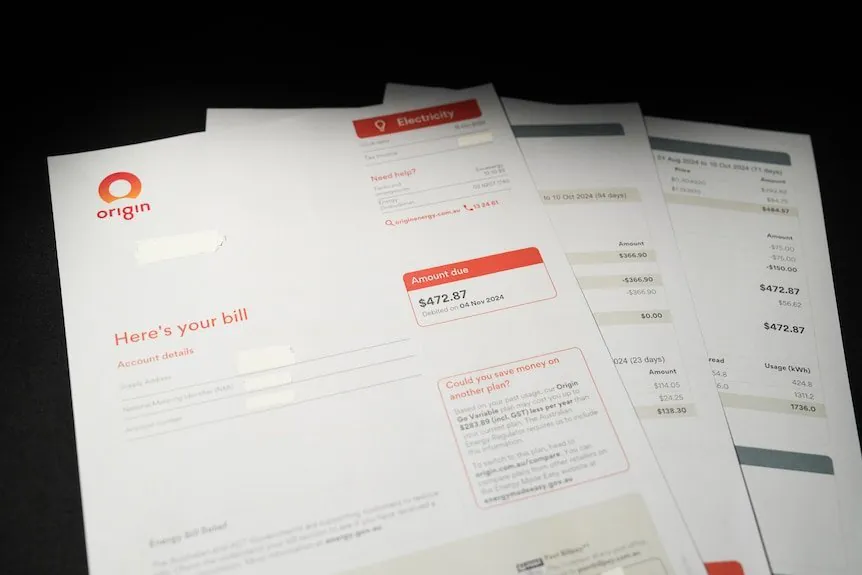
However, the exact nature of the breach and how it occurred remains unclear, with little information available about the source of the hack.
UNSW cybersecurity expert Richard Buckland described the situation as “quite strange” and warned that the numbers of people reported to be affected often change as incidents are investigated.




Professor Buckland noted that the breach could have been much worse, given Origin has more than 4.7 million customers, as well as details of former and potential customers.
He also pointed out that many companies have proactive “bug bounty” programs, which offer a dedicated path for people to report cyber vulnerabilities so they can be fixed proactively.
However, in this case, it appears that the breach may have originated from either inside or outside the company, with Professor Buckland classifying it as a cyber attack.
Security analysts say that insider threats are a growing concern for businesses, with attackers often taking the easiest path to gain access to sensitive information. In this case, the breach has exposed hundreds of thousands of customers to scams and identity theft, with the potential for long-term consequences.
As the investigation continues, Origin Energy is working with government agencies and cybersecurity experts to ensure the incident is contained and to secure its systems.
Analysis: What This Means for Australia
This devastating data breach has serious implications for Australia’s national security and law enforcement. The fact that hundreds of thousands of customers’ personal data was accessed highlights the vulnerability of our critical infrastructure to cyber attacks.
It also raises concerns about the ability of companies to protect sensitive information and the need for stronger regulations and penalties for data breaches.
Law enforcement insiders warn that the breach could have serious consequences for public safety, with scammers and identity thieves able to use the stolen information to commit crimes.
The breach also highlights the need for greater awareness and education about cybersecurity and the importance of protecting personal data.
Industry observers believe that the breach will have significant economic and social consequences, with the potential for long-term damage to Origin Energy’s reputation and customer trust.
The breach also raises concerns about the ability of companies to invest in cybersecurity and the need for greater transparency and accountability in the event of a breach.
As the investigation continues, it’s clear that this devastating data breach has serious implications for Australia’s national security, law enforcement, and the economy. It’s a stark reminder of the need for stronger regulations, greater awareness, and transparency in the face of growing cyber threats.