
Historic Land Return on the Horizon as Tasmania’s Aboriginal Community Inches Closer to Reclaiming Stolen Heritage
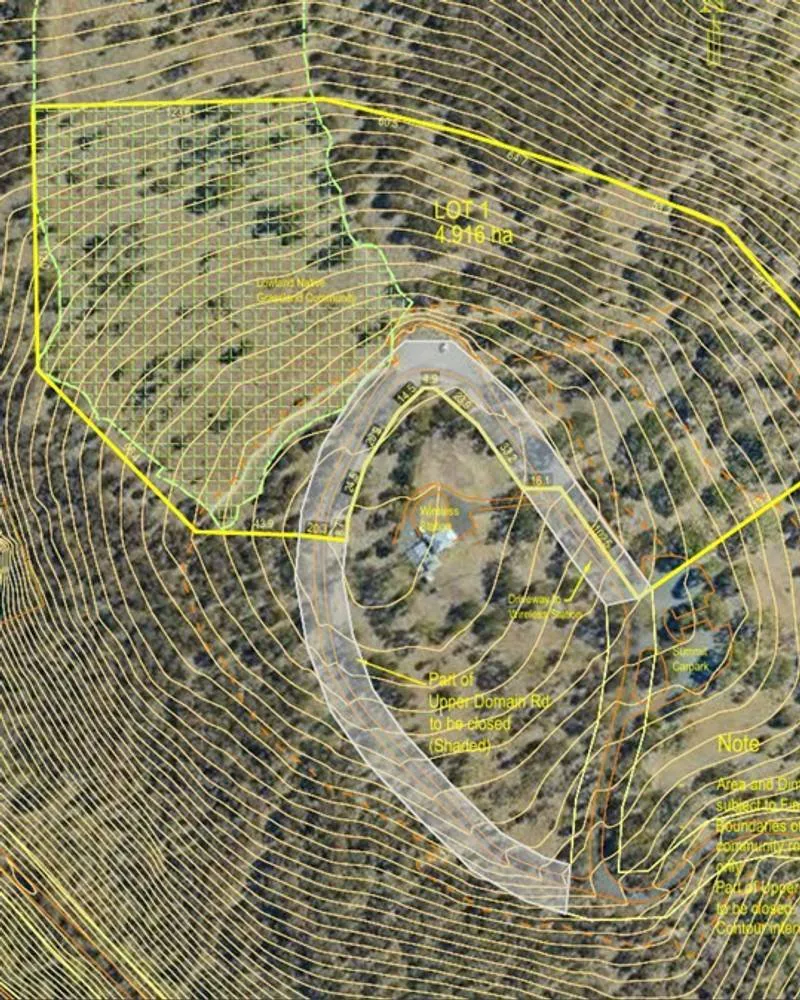
- A 4.9-hectare parcel of land in Hobart’s Queens Domain is set to be returned to the Aboriginal community, marking the first land handback in Tasmania in over 20 years.
- The proposed handback has received “in-principle support” from the Hobart City Council, paving the way for a new Aboriginal cultural centre to be established.
- The land return is a significant step towards reconciliation, with the Aboriginal Land Council of Tasmania (ALCT) hailing it as a “unique opportunity” to preserve and celebrate Indigenous culture.
- The council’s decision has sparked hopes of a new era of cooperation between government and Aboriginal communities, with the ALCT proposing a collaborative land management arrangement.
The decision by the Hobart City Council to support the land return has sent shockwaves of excitement throughout the Aboriginal community, with many seeing it as a long-overdue recognition of their ancestral heritage.
The proposed handback of the 4.9-hectare parcel of land in Queens Domain would mark the first time in over two decades that the Tasmanian government has returned land to its traditional owners.
The land in question has been identified as a potential site for an Indigenous-owned and operated cultural centre, which would serve as a hub for the preservation and celebration of Aboriginal culture.
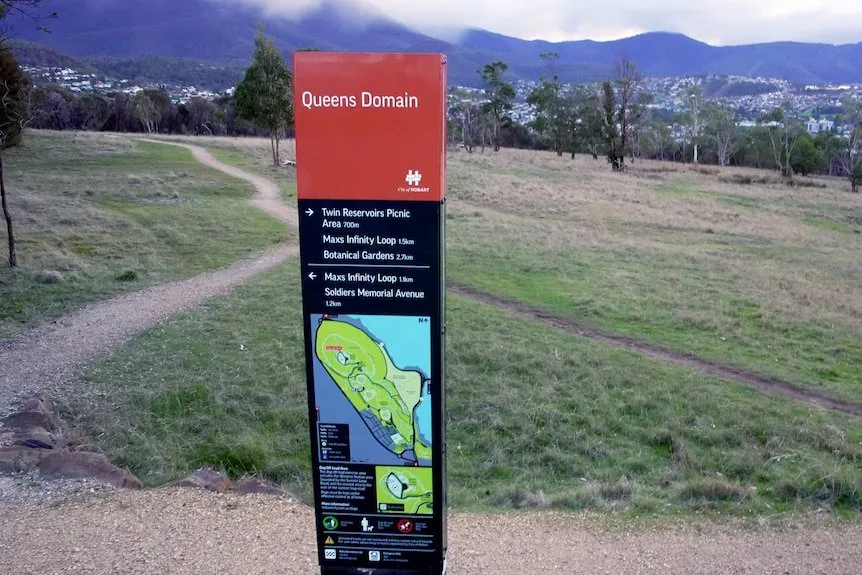
The centre would feature exhibition spaces, performance areas, and support for Aboriginal food enterprises and tourism activities.
The proposal has been welcomed by the ALCT, with general manager Sarah Wilcox describing it as a “really unique opportunity” to establish a “keeping place” for Aboriginal culture.
The road to this moment has been long and arduous, with the ALCT first approaching the council with the proposal last year. Since then, the council has worked tirelessly to progress the plan, including undertaking investigations into title issues and obtaining advice from various stakeholders.
While there is still much work to be done, the council’s “in-principle support” has provided a significant boost to the project.
The proposed land return is not only a significant step towards reconciliation but also a recognition of the state’s complex and often fraught history. Tasmania has a chequered past when it comes to its treatment of Aboriginal people, with the island’s Indigenous population facing widespread dispossession and marginalization.
The return of land is seen as a crucial step towards healing these historical wounds and rebuilding relationships between government and Aboriginal communities.
Analysis: What This Means for Australia
The proposed land return in Tasmania has significant implications for Australia’s broader reconciliation efforts.
As the country continues to grapple with its complex history and the legacy of colonization, the return of land to Aboriginal communities is seen as a crucial step towards healing and reconciliation.
The Tasmanian government’s willingness to engage with the ALCT and support the land return is a positive sign, and one that could have far-reaching consequences for Indigenous communities across the country.
However, the road ahead will not be easy. The land return process is complex and often contentious, with many hurdles still to be cleared before the proposal can be finalized.
Nevertheless, the Hobart City Council’s decision has provided a significant boost to the project, and one that could pave the way for further land returns in the future.
Security analysts say that the land return is a positive step towards rebuilding trust between government and Aboriginal communities, and one that could have significant implications for national security.
By recognizing and respecting the rights of Indigenous Australians, the government can help to build stronger, more resilient communities that are better equipped to address the challenges of the 21st century.
Law enforcement insiders warn that the land return is just one part of a broader process of reconciliation, and one that requires ongoing commitment and engagement from government and Aboriginal communities alike.
While the proposed handback is a significant step forward, it is just one part of a much larger journey towards healing and reconciliation.
Industry observers believe that the land return could have significant economic and social benefits for the local community, with the proposed cultural centre providing a major boost to tourism and cultural development in the region.
The centre would also provide opportunities for Aboriginal artists and cultural practitioners to share their stories and showcase their work, helping to promote greater understanding and appreciation of Indigenous culture.