Australia’s Fuel Security Crisis: Is a $15 Billion Refinery the Answer to Our Oil Woes?
- A new oil refinery in Western Australia could be on the cards as the federal and state governments commit $4 million to a pre-feasibility study.
- Experts warn that the project could be expensive and may not reduce Australia’s reliance on overseas oil imports.
- The country’s fuel security crisis was exposed when Iran closed off the Persian Gulf, leaving Australia desperate for petrol, diesel, and jet fuel.
- Australia’s two remaining refineries supply only 10 per cent of the country’s needs, with the rest imported from overseas.
The recent escalation of the Iran war has sent shockwaves through Australia’s fuel security, prompting the federal and Western Australian governments to investigate building the country’s first new oil refinery since the 1960s.
The proposed project has sparked a heated debate about the best way to improve fuel security in Australia, with experts warning that the project could be expensive and may not reduce the country’s reliance on overseas oil imports.
At the heart of the issue is Australia’s dwindling oil refining capacity. The country once boasted eight refineries, but now only two remain, supplying a mere 10 per cent of the nation’s needs.
The rest is imported from overseas, leaving Australia vulnerable to global market fluctuations and geopolitical tensions.
The closure of the Persian Gulf by Iran in February highlighted the country’s precarious fuel situation, with motorists facing the very real prospect of fuel shortages.



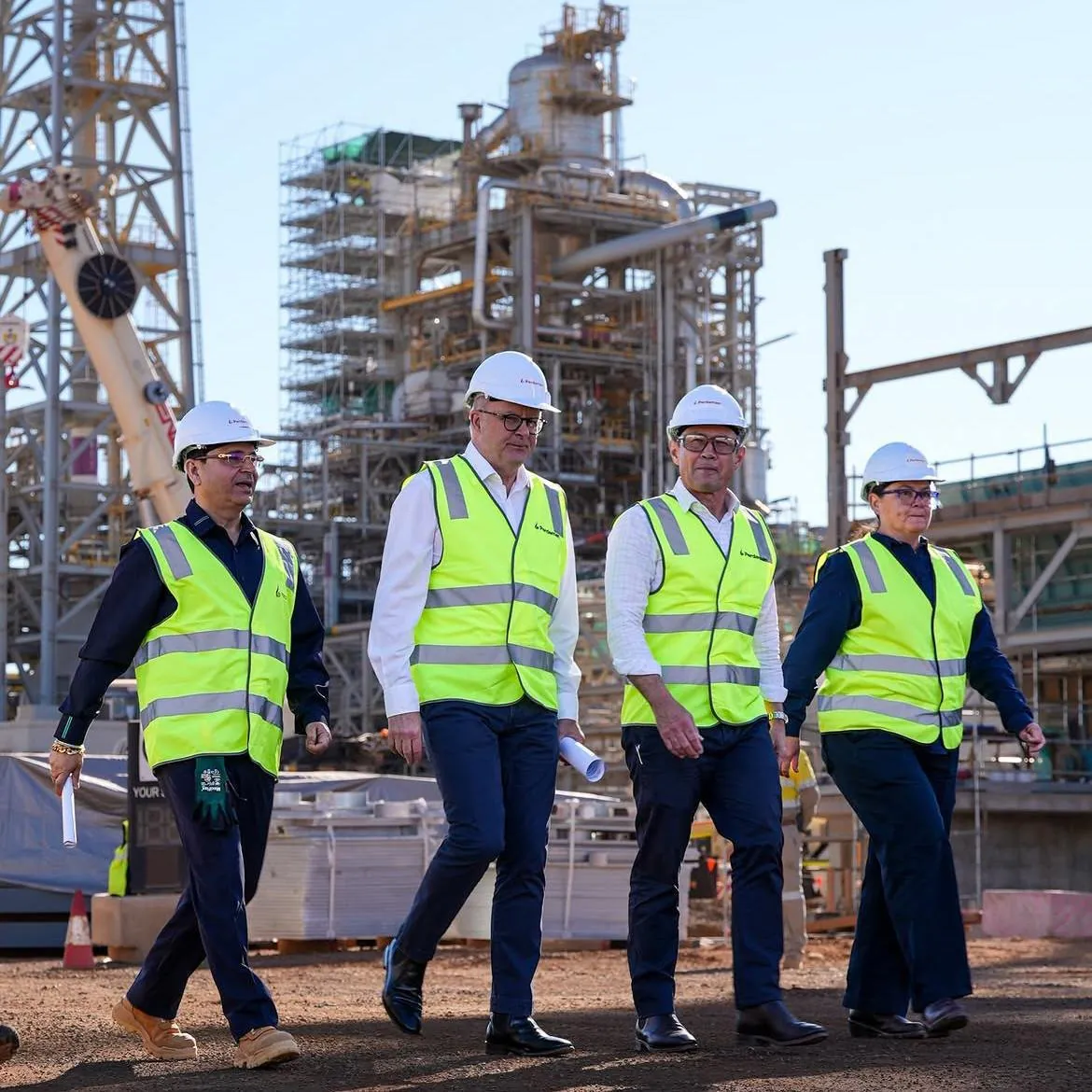
Prime Minister Anthony Albanese and WA Premier Roger Cook announced the pre-feasibility study, which will explore the viability of building a new refinery in Western Australia.
However, experts are skeptical about the project’s potential, citing the high costs and the need for imported oil to operate the facility.
“It’s a better idea to explore it before we commit to doing it, because Australia doesn’t have very much oil,” said Alison Reeve from the Grattan Institute.
Analysis: What This Means for AustraliaThe proposed refinery project raises important questions about Australia’s national security, economic stability, and environmental commitments.
With the country’s fuel security crisis exposed, the government must weigh the costs and benefits of investing in a new refinery. While the project may provide some security benefits, it is unlikely to reduce Australia’s reliance on overseas oil imports.
Moreover, the project’s estimated cost of $15 billion is a significant burden for taxpayers, particularly in an era where Australia has committed to reducing emissions. Experts argue that the project’s viability is uncertain, with concerns about the high running costs and the need for imported oil.
“Part of the reason our refineries closed is because they were outdated and with not a lot of flexibility in terms of input feedstock,” said Nik Burns, head of energy research at Jarden Australia.
“A new Australian operation would be competing with Singapore’s significant oil refining industry, which has lower running costs and shorter transit routes for fuels.”
Furthermore, the project’s environmental implications are significant, with Australia committed to reducing emissions.
The country’s transport network is heavily reliant on diesel, and a new refinery would likely increase greenhouse gas emissions. As the world transitions to cleaner energy sources, it is unclear whether a new refinery is a viable long-term solution.
Security analysts say that the proposed refinery project highlights the need for a more comprehensive approach to fuel security in Australia.
“From a fuel security and economic security and a national security standpoint, there’s a very strong case to say that Australia needs more refining capacity, but also more oil supply to go into that refining capacity,” said Saul Kavonic, an analyst at MST Financial.
In conclusion, the proposed refinery project is a complex issue that requires careful consideration of the costs and benefits. While it may provide some security benefits, it is unlikely to reduce Australia’s reliance on overseas oil imports.
As the country navigates the challenges of fuel security, it is essential to consider a range of options, including increasing domestic oil production, improving energy efficiency, and transitioning to cleaner energy sources.
The recent escalation of the Iran war has sent shockwaves through Australia’s fuel security, prompting the federal and Western Australian governments to investigate building the country’s first new oil refinery since the 1960s. The proposed project has sparked a heated debate about the best way to improve fuel security in Australia, with experts warning that the project could be expensive and may not reduce the country’s reliance on overseas oil imports.
At the heart of the issue is Australia’s dwindling oil refining capacity. The country once boasted eight refineries, but now only two remain, supplying a mere 10 per cent of the nation’s needs. The rest is imported from overseas, leaving Australia vulnerable to global market fluctuations and geopolitical tensions. The closure of the Persian Gulf by Iran in February highlighted the country’s precarious fuel situation, with motorists facing the very real prospect of fuel shortages.
Prime Minister Anthony Albanese and WA Premier Roger Cook announced the pre-feasibility study, which will explore the viability of building a new refinery in Western Australia. However, experts are skeptical about the project’s potential, citing the high costs and the need for imported oil to operate the facility. “It’s a better idea to explore it before we commit to doing it, because Australia doesn’t have very much oil,” said Alison Reeve from the Grattan Institute.
The proposed refinery project raises important questions about Australia’s national security, economic stability, and environmental commitments. With the country’s fuel security crisis exposed, the government must weigh the costs and benefits of investing in a new refinery. While the project may provide some security benefits, it is unlikely to reduce Australia’s reliance on overseas oil imports. Moreover, the project’s estimated cost of $15 billion is a significant burden for taxpayers, particularly in an era where Australia has committed to reducing emissions.
Experts argue that the project’s viability is uncertain, with concerns about the high running costs and the need for imported oil. “Part of the reason our refineries closed is because they were outdated and with not a lot of flexibility in terms of input feedstock,” said Nik Burns, head of energy research at Jarden Australia. “A new Australian operation would be competing with Singapore’s significant oil refining industry, which has lower running costs and shorter transit routes for fuels.”
Furthermore, the project’s environmental implications are significant, with Australia committed to reducing emissions. The country’s transport network is heavily reliant on diesel, and a new refinery would likely increase greenhouse gas emissions. As the world transitions to cleaner energy sources, it is unclear whether a new refinery is a viable long-term solution.
Security analysts say that the proposed refinery project highlights the need for a more comprehensive approach to fuel security in Australia. “From a fuel security and economic security and a national security standpoint, there’s a very strong case to say that Australia needs more refining capacity, but also more oil supply to go into that refining capacity,” said Saul Kavonic, an analyst at MST Financial.
In conclusion, the proposed refinery project is a complex issue that requires careful consideration of the costs and benefits. While it may provide some security benefits, it is unlikely to reduce Australia’s reliance on overseas oil imports. As the country navigates the challenges of fuel security, it is essential to consider a range of options, including increasing domestic oil production, improving energy efficiency, and transitioning to cleaner energy sources.