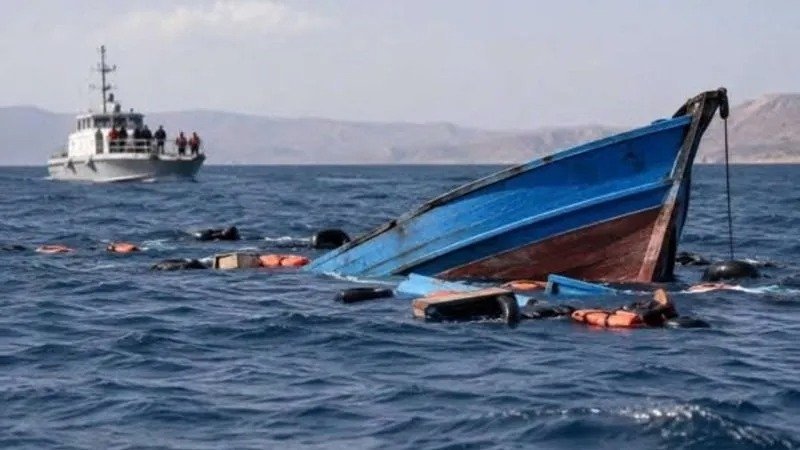
Death Toll Mounts As Migrant Boat Disaster Unfolds: At Least 139 Dead, Including 15 Children, In One Of The Deadliest Incidents On The Perilous Horn Of Africa To Arabian Peninsula Crossing
- A devastating boat accident has claimed the lives of at least 139 migrants, including 15 children, as they attempted to cross from Djibouti to Yemen in search of better lives in the Gulf nations.
- The tragedy has sparked widespread concern over the safety of migrants using the so-called Eastern Route, with many facing dangers such as accidents at sea, trafficking, and arbitrary arrests once on land.
- The incident highlights the desperate measures migrants are taking to escape poverty, conflict, and difficult living conditions in their home countries, with thousands risking their lives to reach the wealthy Gulf states.
- The boat capsized near Guhere, north of Djibouti’s Obock, on Thursday night into Friday morning local time, with survivors recounting the horrors of the disaster and the desperate attempts to save those on board.
The migrant boat disaster has sent shockwaves around the world, with the International Organization for Migration (IOM) confirming that at least 139 people have lost their lives in one of the deadliest incidents on the Horn of Africa to Arabian Peninsula crossing.
The boat, which was carrying 305 people, capsized near Guhere, north of Djibouti’s Obock, on Thursday night into Friday morning local time, with survivors recounting the horrors of the disaster and the desperate attempts to save those on board.
According to the IOM, the boat sank soon after it departed, mainly due to overcrowding, with the death toll including only those buried by authorities in Djibouti.
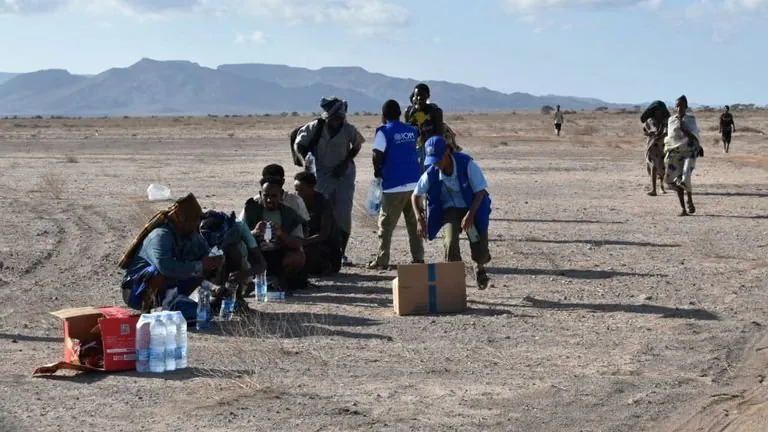
Others have been buried by the migrants themselves, but they will not be added to the official count until authorities can verify the bodies. More than 80 people survived, all of them Ethiopian nationals, while 84 remain missing.
The IOM’s chief of mission in Djibouti, Alexandre Coissac, described the incident as a “devastating loss of life” and said that the organization’s teams are on the ground alongside local authorities to provide emergency assistance.




The migrants were heading to Yemen, with the hope of eventually making it to wealthier Gulf nations, despite the ongoing conflict in the country.
Yemen is experiencing the most serious escalation in fighting between Saudi Arabia-backed government forces and the Iran-backed Houthis since a UN-brokered truce in 2022.
The IOM has warned that the crisis sparked by the fighting in Yemen is alarming, with displacement figures surging to 200,000 from 76,000 in mid-September.
Meanwhile, thousands of Yemeni people have crossed the sea in the opposite direction to seek aid in Djibouti in recent weeks.
The so-called Eastern Route presents many dangers, including accidents at sea, trafficking, and arbitrary arrests once on land.
In 2025, more than 900 migrants died or went missing along the route, according to IOM’s Missing Migrants Project, as the number of people undertaking the journey increased by 18 per cent.
The route is often used by migrants from Ethiopia, who are fleeing difficult living conditions, including the impact of drought.
Ethiopian migrants interviewed by the IOM said they had left their country due to poverty, lack of job opportunities, and conflict, with many seeking to reach the Gulf nations in search of better lives.
Analysis: What This Means for Australia
The migrant boat disaster highlights the need for Australia to re-examine its approach to migration and border control. As a country with a strong economy and high standard of living, Australia is an attractive destination for many migrants.
However, the country’s migration policies must balance the need to provide a safe haven for those fleeing persecution and poverty with the need to protect its borders and maintain national security.
The incident also underscores the importance of international cooperation to address the root causes of migration, including conflict, poverty, and climate change.
By working with other countries and international organizations, Australia can help to reduce the number of migrants undertaking dangerous journeys and promote more sustainable and safe migration pathways.
Security analysts say that the migrant boat disaster is a stark reminder of the need for effective border control and migration management.
The incident highlights the risks associated with irregular migration, including the loss of life, and the need for governments to work together to address the root causes of migration.
Law enforcement insiders warn that the tragedy also underscores the importance of combating people smuggling and trafficking, which can have devastating consequences for migrants and their families.
Industry observers believe that the incident will have significant implications for migration policies in Australia and other countries, with a greater focus on safe and sustainable migration pathways, and increased cooperation between governments and international organizations to address the root causes of migration.
The IOM has called for increased support for migrants and refugees, including those undertaking the perilous journey from the Horn of Africa to the Arabian Peninsula.
The organization has also emphasized the need for governments to work together to address the root causes of migration, including conflict, poverty, and climate change.
As the international community responds to the migrant boat disaster, it is clear that a comprehensive and coordinated approach is needed to prevent such tragedies from occurring in the future.
This includes investing in sustainable development, promoting economic growth and job creation, and providing support to migrants and refugees, as well as addressing the root causes of migration and promoting safe and sustainable migration pathways.
In the context of national security, the migrant boat disaster highlights the need for Australia to re-examine its approach to border control and migration management.
The incident underscores the importance of effective border control, migration management, and international cooperation to address the root causes of migration.
By working with other countries and international organizations, Australia can help to reduce the number of migrants undertaking dangerous journeys and promote more sustainable and safe migration pathways.
The Australian Bureau of Statistics has reported that Australia’s migration program is an important part of the country’s economic and social development, and the government must balance the need to provide a safe haven for those fleeing persecution and poverty with the need to protect its borders and maintain national security.
The migrant boat disaster is a stark reminder of the human cost of irregular migration and the need for governments to work together to address the root causes of migration.
As the international community responds to the tragedy, it is clear that a comprehensive and coordinated approach is needed to prevent such incidents from occurring in the future.
This includes investing in sustainable development, promoting economic growth and job creation, and providing support to migrants and refugees, as well as addressing the root causes of migration and promoting safe and sustainable migration pathways.
The housing crisis and economic growth are also critical factors in addressing the root causes of migration, and the government must work to address these issues to reduce the number of migrants undertaking dangerous journeys.