Japan’s Earthquake Horror: ‘A Race Against Time’ as Death Toll Rises and Thousands Flee
- At least 13 people confirmed dead and many more missing after a 7.1 magnitude earthquake struck southwestern Japan
- Thousands flee their homes as rescuers battle to save those trapped under rubble, with a heatstroke risk warning issued for the region
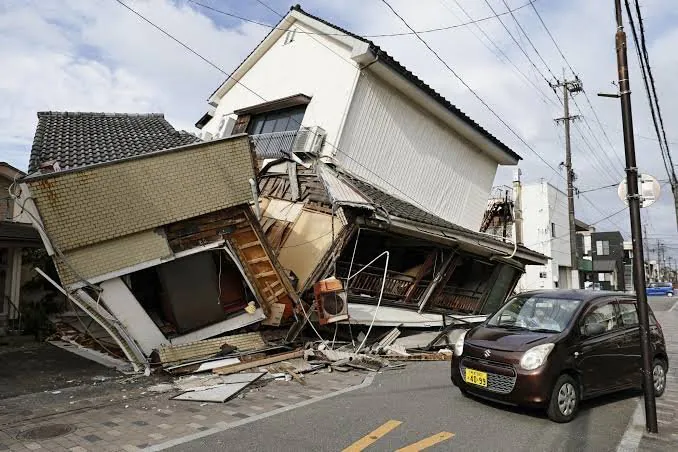
- Buildings reduced to rubble and infrastructure severely damaged, with a major shopping mall partially collapsing in the disaster
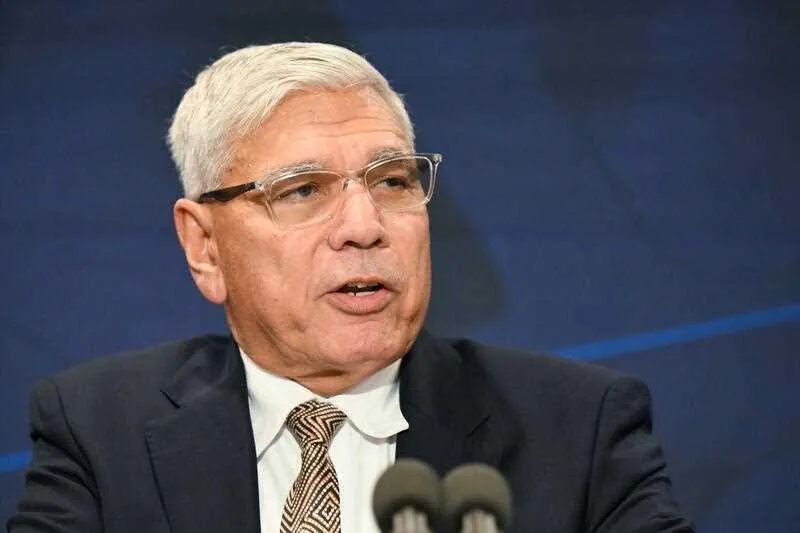
- Japanese Prime Minister Sanae Takaichi vows to “marshall all available resources” to rescue those trapped and provide aid to affected areas
The southwestern region of Japan has been left reeling after a devastating 7.1 magnitude earthquake struck, leaving a trail of destruction and chaos in its wake.
The death toll has risen to at least 13, with many more feared trapped under the rubble or missing.
The disaster has sparked a massive rescue effort, with thousands of emergency responders battling to save those in need, despite a heatstroke risk warning issued for the region.
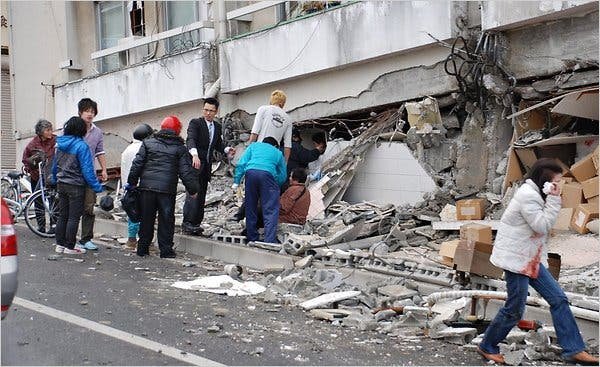
The earthquake, which struck on Tuesday, has caused widespread damage to buildings and infrastructure, with a major shopping mall in the city of Kumamoto partially collapsing.
The Aeon Mall was torn away in an explosion that occurred shortly after the quake, with two women in their 20s confirmed dead and several others injured.


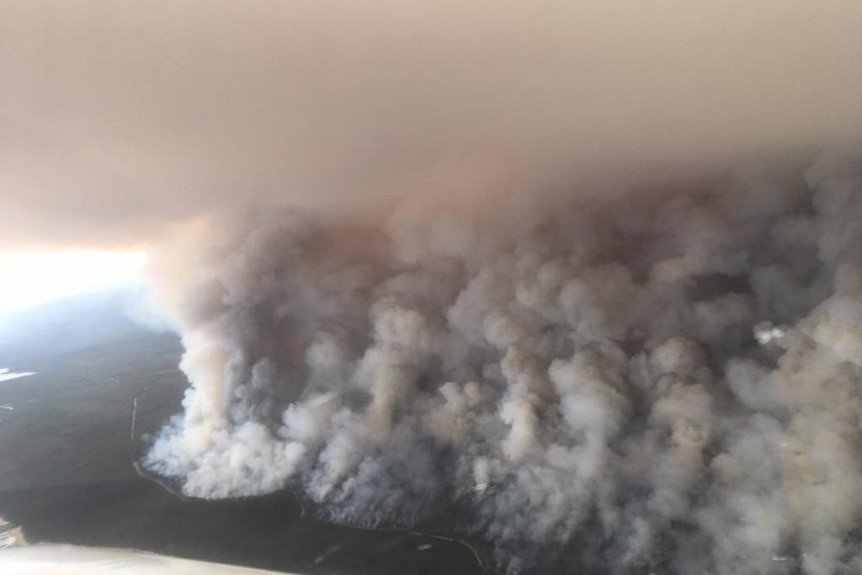

The exact cause of the blast is still unclear, but authorities are investigating a possible gas explosion.
Rescue efforts are ongoing, with specialist teams from the Tokyo Metropolitan Police Department’s Disaster Preparedness Division’s Special Rescue Team and Aviation Unit joining the effort. The Japanese government has also deployed 3,600 soldiers to assist in the rescue and relief efforts.
The Kumamoto prefectural government has reported that rescuers working at the scene of the Aeon Mall collapse have taken eight people out of the rubble, with two women in their 20s confirmed dead and several others injured.
The disaster has left thousands of people without access to basic necessities, with many forced to flee their homes and seek shelter in evacuation centres. The government has reported that over 9,000 people have sought refuge in 506 evacuation centres across five prefectures, including Kumamoto and Fukuoka.
The Kumamoto Castle, a top tourist site in the prefecture, was also damaged in the earthquake, with parts of the centuries-old castle’s exterior walls collapsing.
The earthquake has also caused significant disruptions to the region’s infrastructure, with power outages and water leaks reported in several areas. Hospitals in the region have been overwhelmed with injured patients, with two hospitals reporting taking in at least 50 injured patients each.
The Japan Meteorological Agency has warned of a heatstroke risk for rescuers, with temperatures in the mid to high 30s expected in the coming days.
Analysis: What This Means for Australia
The devastating earthquake in Japan serves as a stark reminder of the region’s vulnerability to natural disasters. As a significant player in the Asia-Pacific region, Australia has a vested interest in the stability and security of its neighbours.
The disaster highlights the importance of disaster preparedness and response, and the need for countries to work together to share knowledge, expertise, and resources in the face of such events.
Security analysts say that the disaster also underscores the importance of Japan’s role in regional security, particularly in the context of the “Ring of Fire”, a belt of intense seismic activity that stretches from New Zealand, along the eastern edge of Asia, through the Philippines, Japan, and the Aleutian Islands, and down the western coast of North and South America.
As a key player in the region, Australia must be prepared to provide support and assistance to its neighbours in times of need.
Law enforcement insiders warn that the disaster also highlights the potential for secondary disasters, such as looting and civil unrest, in the aftermath of a major natural disaster.
As such, it is essential for authorities to maintain a visible presence and ensure that affected communities receive the support and resources they need to recover.
Industry observers believe that the disaster will also have significant economic implications for the region, particularly in the tourism and manufacturing sectors.
As the region begins the long process of recovery, it is essential that governments and businesses work together to support affected communities and restore economic stability.