
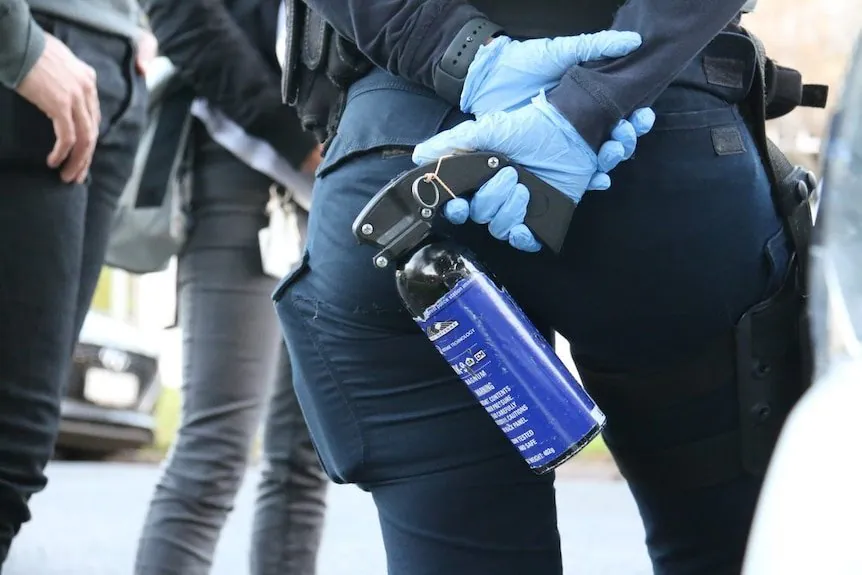
Northern Territory to Legalise Pepper Spray for Self-Defence: A Game-Changer for Territorians’ Safety?
- NT Chief Minister Lia Finocchiaro confirms the trial of pepper spray has been a success, paving the way for permanent legalisation by the end of the year.
- Western Australia is the only other Australian jurisdiction to have legalised pepper spray, with the NT set to join the ranks.
- The government is considering lowering the minimum age to purchase pepper spray from 18 to 16 and allowing household access.
- Anecdotal evidence from the trial has been overwhelmingly positive, with some users reporting they’ve avoided confrontations by warning alleged attackers they’re carrying the spray.
The Northern Territory is on the cusp of a major shift in its approach to self-defence, with the government announcing plans to legalise pepper spray for personal protection by the end of the year.
The move comes after a successful trial of the non-lethal tool, which has seen over 3,200 people purchase more than 5,100 canisters. Chief Minister Lia Finocchiaro has hailed the trial as a success, saying it gives everyday Territorians the opportunity to protect themselves in emergency situations.
The trial, which was originally set to end on September 1, will be extended until December 31 to allow for legislation to be drafted to make the change permanent.
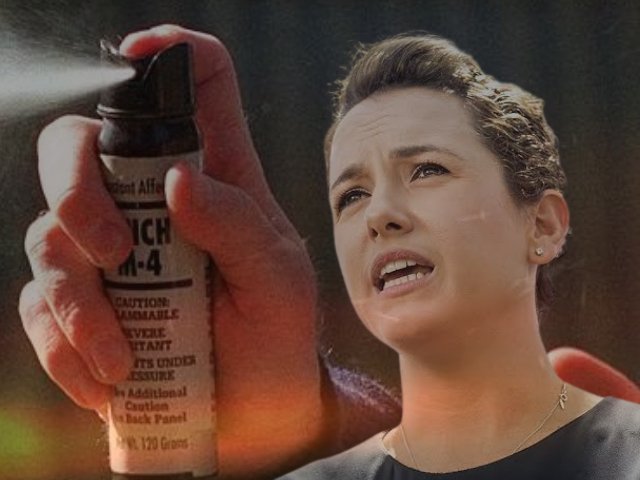
If passed, the NT will join Western Australia as the second Australian jurisdiction to legalise pepper spray.
Finocchiaro has stressed that the trial is not about reducing crime rates, but rather about giving people the means to defend themselves in a life-threatening situation.
Under the current trial, pepper spray can only be purchased and carried by people over the age of 18.
However, the government is now considering lowering the minimum age to 16 and allowing household access, including permitting family members to purchase the spray on behalf of relatives.
This move has been met with support from some, who argue that it will provide an added layer of protection for vulnerable members of the community.
The NT government has also claimed that offences across the territory have fallen by 25 per cent since it came to power two years ago.
While Finocchiaro has acknowledged these efforts, she has been quick to point out that the pepper spray trial is not about reducing crime rates any further.
Instead, it’s about empowering people to take back control of their lives and regain the streets.
Security analysts say the legalisation of pepper spray could have significant implications for public safety in the NT.
By providing people with a non-lethal means of self-defence, the government may be able to reduce the number of violent confrontations and give people the confidence to feel safer in their communities.
Law enforcement insiders warn, however, that the legalisation of pepper spray also raises concerns about its potential misuse. With the government considering lowering the minimum age to purchase the spray, there are fears that it could fall into the wrong hands.
Finocchiaro has acknowledged these concerns, saying that the government will need to carefully consider the implications of its decision.
Analysis: What This Means for Australia
The legalisation of pepper spray in the NT has significant implications for national security and law enforcement. As the second Australian jurisdiction to legalise the non-lethal tool, the NT is setting a precedent for other states and territories to follow.
Industry observers believe that the move could lead to a shift in the way Australians approach self-defence, with more people opting for non-lethal means of protecting themselves.
The decision also raises questions about the role of law enforcement in preventing and responding to violent crimes.
With the NT government claiming a 25 per cent reduction in offences since it came to power, there may be pressure on other jurisdictions to follow suit and adopt similar measures.
However, law enforcement insiders warn that the legalisation of pepper spray is not a silver bullet and that other factors, such as policing strategies and community engagement, also play a critical role in reducing crime rates.
Ultimately, the legalisation of pepper spray in the NT is a complex issue with far-reaching implications for public safety, national security, and law enforcement. As the government moves to make the change permanent, it will be closely watched by other jurisdictions and the wider community.