
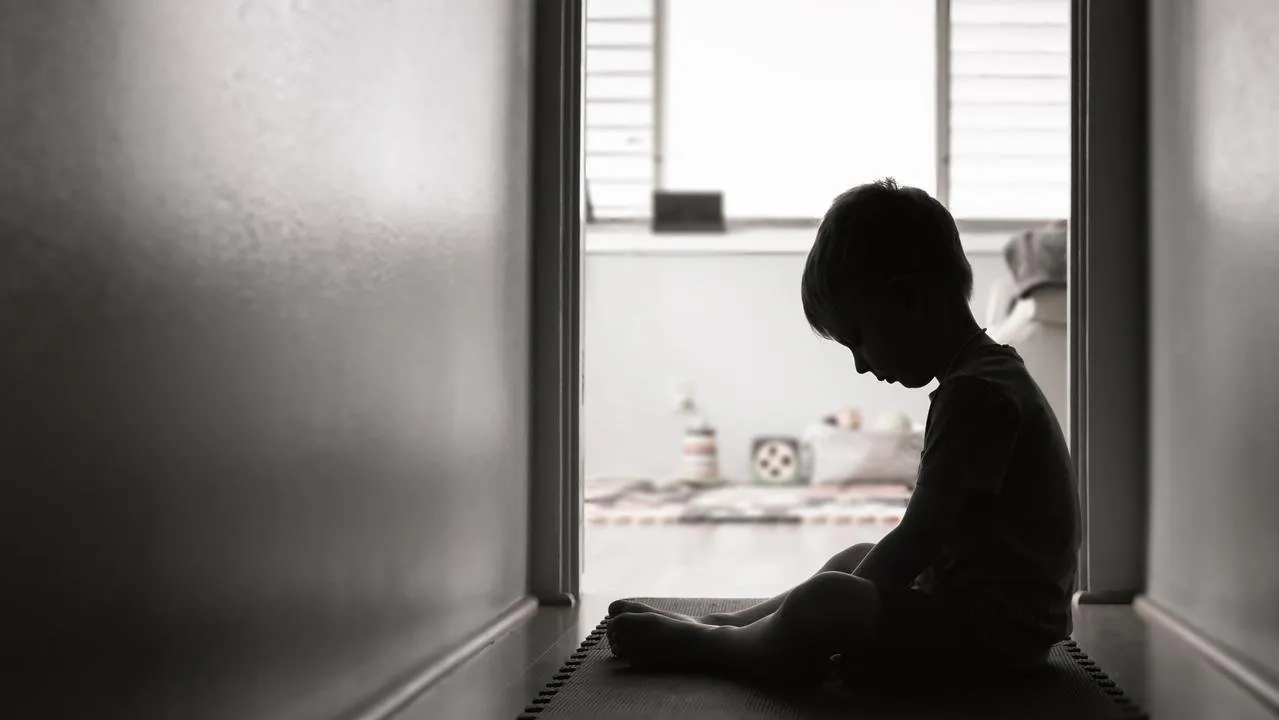
Children in Crisis: Queensland’s Residential Care Numbers Hit Record High as Government Vows to Act
- A record 2,819 children are now in residential care in Queensland, a stark increase from 2,200 last year, sparking urgent calls for reform.
- The number of children under five in the system has also risen, putting pressure on the government’s vow to remove them from residential care.
- The Queensland government has accepted 32 out of 52 recommendations from the Child Safety Commission of Inquiry, but critics say it’s not enough.
- Attorney-General Deb Frecklington says the system is “broken” and the government won’t “sit on its hands” in implementing change.
The Queensland government’s response to the Child Safety Commission of Inquiry has been met with a mix of optimism and skepticism, as the state grapples with a record number of children in residential care.
The latest data shows 2,819 children are currently in the system, a significant increase from the 2,200 recorded last year.
The number of children under five in care has also risen, with 107 youngsters in this age group currently in residential care, up from 78 in the previous year.
Child Safety Minister Amanda Camm has described the peak of 2,819 children in residential care as a “line in the sand” and reaffirmed the government’s commitment to removing all children under five from residential care.
However, Shadow Women’s Minister Shannon Fentiman has labeled the increase “unacceptable” and called on the Premier to take action.
“This is not Amanda Camm’s line in the sand, this is David Crisafulli’s line in the sand, and he must act today to finally hold this minister to account and put in place a new child safety minister to take this forward,” she said.
The government has accepted 32 of the 52 total recommendations from the report, including a feasibility study to assess the concept of simple adoption and to entrench adoption as an option regardless of cultural background.
However, several key accepted or accepted in principle reforms will take two and a half years to roll out, including reforming when a child can be removed from their family and improving child protection officer case management.
Analysis: What This Means for AustraliaThe crisis in Queensland’s child safety system has significant implications for the state’s most vulnerable citizens.
The record number of children in residential care is a stark reminder of the need for urgent reform.
The government’s commitment to removing children under five from residential care is a positive step, but critics argue that more needs to be done to address the root causes of the problem.
The increase in children in care also raises concerns about the state’s ability to provide adequate support and resources for these vulnerable youngsters.
The government’s budget of $200 million to implement the changes is a significant investment, but it remains to be seen whether it will be enough to meet the needs of these children.
Security analysts say that the crisis in child safety is a symptom of a broader societal problem.
“The fact that we have so many children in care is a reflection of the failure of our society to support vulnerable families and provide adequate resources to those in need,” said one expert.
“We need to take a more holistic approach to addressing the root causes of this problem, rather than just treating the symptoms.”
The government’s response to the inquiry has also been criticized for not going far enough.
“The fact that several key reforms will take two and a half years to roll out is unacceptable,” said one advocate.
“We need to see urgent action to address the crisis in child safety, not just promises of future reform.”
As the government embarks on its ambitious recruitment process for foster and kinship carers, it remains to be seen whether it will be enough to meet the needs of these vulnerable children.
One thing is clear, however: the crisis in Queensland’s child safety system requires urgent attention and action.
The Queensland government’s response to the Child Safety Commission of Inquiry has been met with a mix of optimism and skepticism, as the state grapples with a record number of children in residential care. The latest data shows 2,819 children are currently in the system, a significant increase from the 2,200 recorded last year. The number of children under five in care has also risen, with 107 youngsters in this age group currently in residential care, up from 78 in the previous year.
Child Safety Minister Amanda Camm has described the peak of 2,819 children in residential care as a “line in the sand” and reaffirmed the government’s commitment to removing all children under five from residential care. However, Shadow Women’s Minister Shannon Fentiman has labeled the increase “unacceptable” and called on the Premier to take action. “This is not Amanda Camm’s line in the sand, this is David Crisafulli’s line in the sand, and he must act today to finally hold this minister to account and put in place a new child safety minister to take this forward,” she said.
The government has accepted 32 of the 52 total recommendations from the report, including a feasibility study to assess the concept of simple adoption and to entrench adoption as an option regardless of cultural background. However, several key accepted or accepted in principle reforms will take two and a half years to roll out, including reforming when a child can be removed from their family and improving child protection officer case management.
The crisis in Queensland’s child safety system has significant implications for the state’s most vulnerable citizens. The record number of children in residential care is a stark reminder of the need for urgent reform. The government’s commitment to removing children under five from residential care is a positive step, but critics argue that more needs to be done to address the root causes of the problem.
The increase in children in care also raises concerns about the state’s ability to provide adequate support and resources for these vulnerable youngsters. The government’s budget of $200 million to implement the changes is a significant investment, but it remains to be seen whether it will be enough to meet the needs of these children.
Security analysts say that the crisis in child safety is a symptom of a broader societal problem. “The fact that we have so many children in care is a reflection of the failure of our society to support vulnerable families and provide adequate resources to those in need,” said one expert. “We need to take a more holistic approach to addressing the root causes of this problem, rather than just treating the symptoms.”
The government’s response to the inquiry has also been criticized for not going far enough. “The fact that several key reforms will take two and a half years to roll out is unacceptable,” said one advocate. “We need to see urgent action to address the crisis in child safety, not just promises of future reform.”
As the government embarks on its ambitious recruitment process for foster and kinship carers, it remains to be seen whether it will be enough to meet the needs of these vulnerable children. One thing is clear, however: the crisis in Queensland’s child safety system requires urgent attention and action.