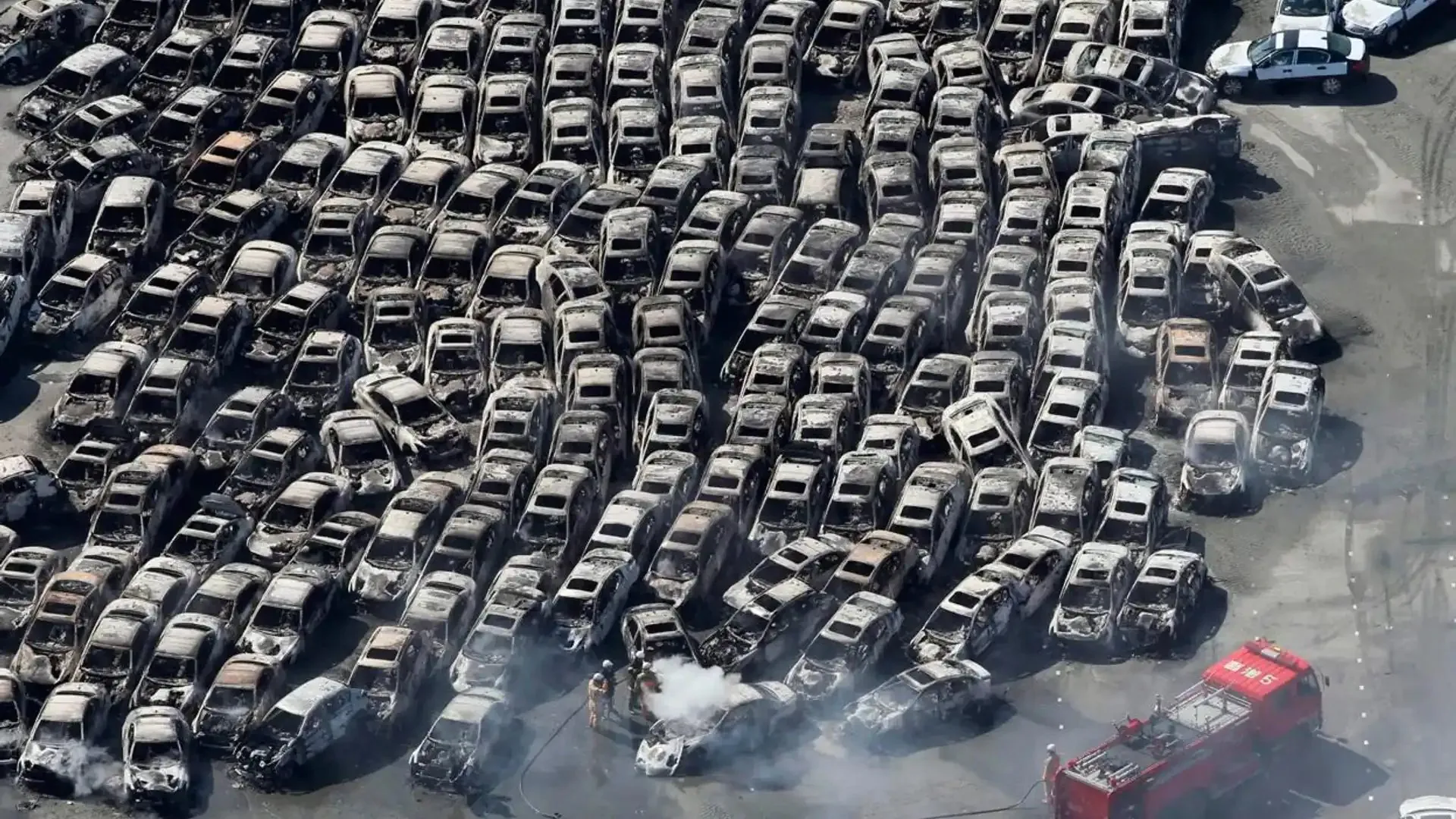
Japan Earthquake Strikes at Heart of Australia’s Car Industry: Nissan, Toyota, and Lexus Halt Production as Death Toll Mounts
- A devastating earthquake in southwest Japan has killed at least 30 people and injured dozens more, with a series of aftershocks hampering rescue efforts.
- Nissan, Toyota, and Lexus have partially suspended production at their domestic manufacturing plants in northern Kyushu, impacting the supply of popular models destined for Australian showrooms.
- The disaster has sparked fears of a repeat of the 2011 earthquake and tsunami that crippled Japan’s automotive industry, with analysts warning of potential delays and shortages for Australian car buyers.
- The full extent of the damage is still unknown, but experts say the earthquake could have significant implications for Australia’s car market, with many popular models manufactured in the affected region.
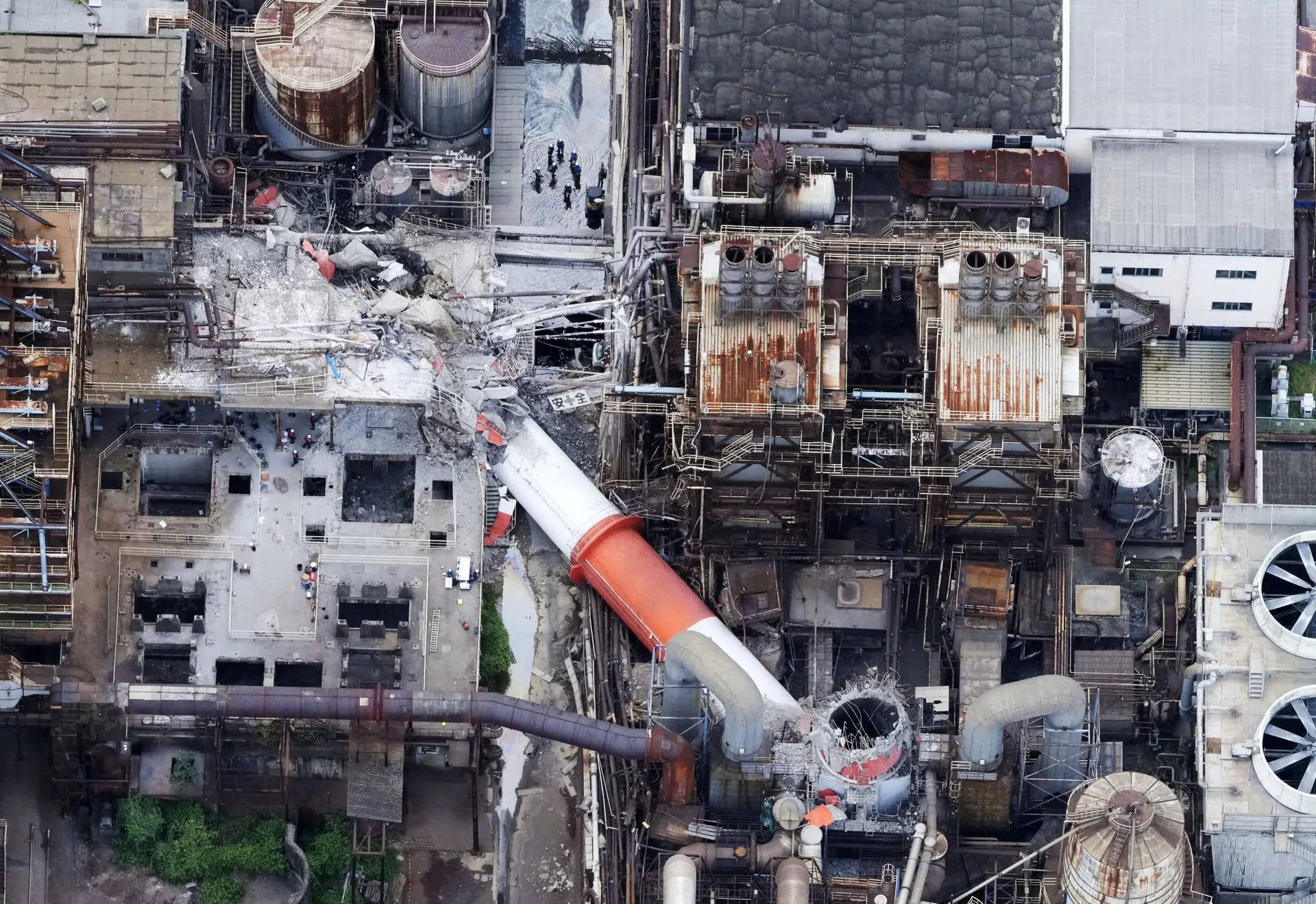
The earthquake, which struck Kumamoto Prefecture on the island of Kyushu, has sent shockwaves through the global automotive industry, with Nissan, Toyota, and Lexus all scaling back operations in the wake of the disaster.
The Nissan Shatai Kyushu plant, which builds the Nissan Patrol, including vehicles destined for Australian showrooms, has partially suspended production due to earthquake-related parts supply delays.
Nearby, Nissan Motor Kyushu, which manufactures the X-Trail mid-size SUV – Nissan Australia’s best-selling model – has also been impacted, with production scaled back due to the disaster.
“At this stage, we have not received any information to suggest there will be any interruption to the supply of vehicles destined for Australia,” a Nissan Australia spokesperson said.
“However, the situation remains fluid, and we will continue to monitor developments closely.”


Toyota, which manufactures engines and hybrid powertrains at two plants in the region, has also suspended operations for the second shift due to safety concerns and logistical disruptions.
“We are currently confirming if there is any impact on logistics or suppliers,” a Toyota spokesperson said.
Lexus, which assembles the UX, NX, and RX SUVs, as well as the ES sedan, at its Kyushu factory for export to Australia, has also been impacted by the disaster.
The full extent of the damage is still unknown, but experts say the earthquake could have significant implications for Australia’s car market, with many popular models manufactured in the affected region.
The disaster has sparked fears of a repeat of the 2011 earthquake and tsunami that crippled Japan’s automotive industry, with analysts warning of potential delays and shortages for Australian car buyers.
“This is a major blow to the Japanese automotive industry, and it’s likely to have a ripple effect on the global supply chain,” said one industry insider.
“Australian car buyers may face delays or shortages of popular models, and it’s likely to impact the overall market.”
Analysis: What This Means for Australia
The earthquake has significant implications for Australia’s car market, with many popular models manufactured in the affected region.
The disaster has sparked fears of a repeat of the 2011 earthquake and tsunami that crippled Japan’s automotive industry, with analysts warning of potential delays and shortages for Australian car buyers.
The impact on the Australian economy could be significant, with the automotive industry a major contributor to the country’s GDP. “This is a wake-up call for the Australian government to diversify its economy and reduce its reliance on imported vehicles,” said one economist.
“The earthquake highlights the risks of relying on a single supplier, and it’s time for Australia to develop its own automotive industry.”
Law enforcement insiders warn that the disaster could also have national security implications, with the potential for increased imports of counterfeit or faulty vehicles.
“The earthquake has created an opportunity for organized crime groups to exploit the situation and import counterfeit or faulty vehicles into Australia,” said one law enforcement official.
“We need to be vigilant and ensure that our borders are secure to prevent this from happening.”
Industry observers believe that the earthquake will also have significant social consequences, with many Australian car buyers facing delays or shortages of popular models. “This is a major blow to Australian car buyers, who are already facing high prices and limited choice in the market,” said one industry insider.
“The earthquake has highlighted the need for greater competition and transparency in the Australian car market.”
As the full extent of the damage becomes clear, one thing is certain – the Japan earthquake has sent shockwaves through the global automotive industry, and Australia will not be immune to the impact.