Australia’s Migration Policy In Chaos As Coalition’s Cuts Spark Fears Of Economic Devastation And Social Unrest
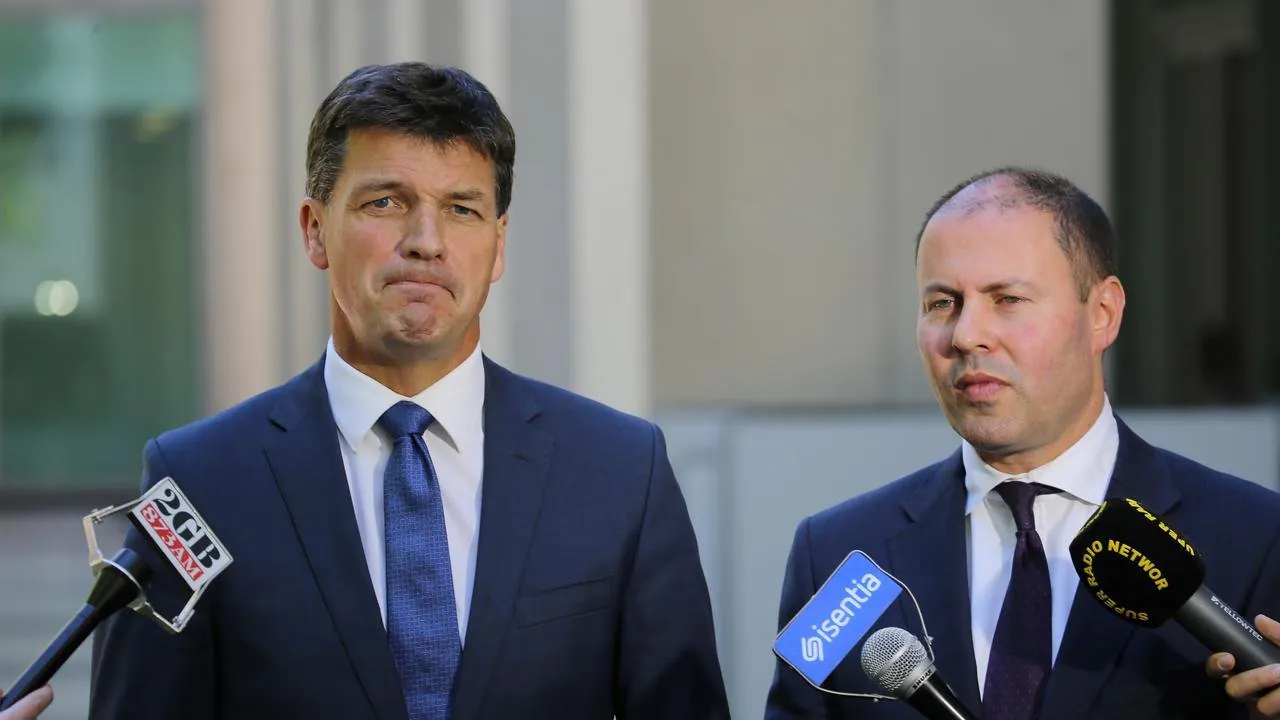
- Opposition Leader Angus Taylor defends Coalition’s proposed migration cuts, despite warnings from business, aged care, education, and construction sectors of severe economic consequences
- Former Liberal treasurer Josh Frydenberg hints at return to politics, calling for the Liberal Party to “reclaim” the centre of politics and proposing policy changes to energy, AI, and GST revenue
- Coalition’s migration policy proposes slashing temporary migration by 650,000 places over four years, sparking concerns over Australia’s economic growth and social cohesion
- Social Services Minister Tanya Plibersek labels Mr Taylor’s interview a “car crash”, questioning the lack of economic modelling and warning of devastating consequences for the economy
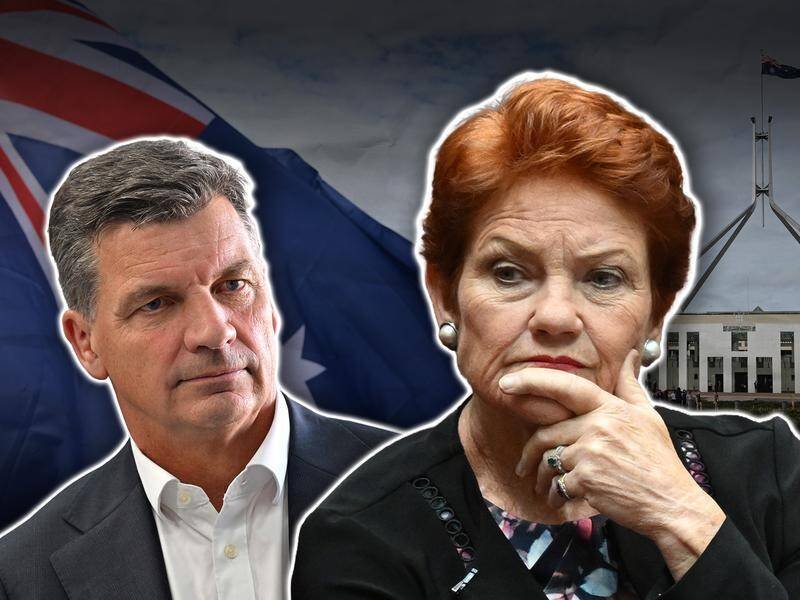
The Australian government’s migration policy is in disarray, with the Coalition’s proposed cuts sparking fears of economic devastation and social unrest. Opposition Leader Angus Taylor has defended the policy, arguing that it will achieve budget neutrality and strengthen the economy.
However, the policy has been met with widespread criticism from various sectors, including business, aged care, education, and construction.
At the centre of the controversy is the Coalition’s plan to cut net overseas migration to 100,000 for two years, with a proposed slashing of temporary migration by 650,000 places over four years.
The policy aims to offset the lost tax revenue with 100,000 additional skilled migrants, who would be higher-paid and therefore pay more tax.
However, critics argue that this will lead to a significant reduction in the workforce, particularly in industries that rely heavily on temporary visas, such as aged care.



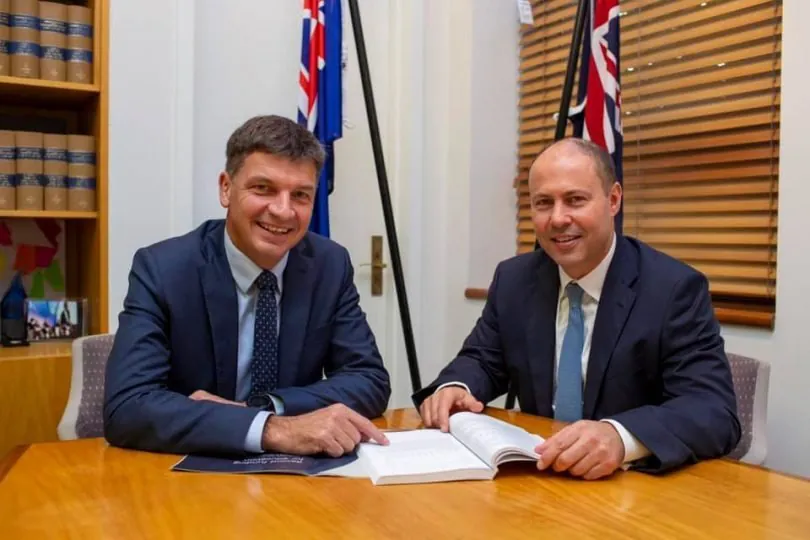
The debate has been further complicated by the potential return of former Liberal treasurer Josh Frydenberg to politics.
Mr Frydenberg has hinted at contesting a seat in the next federal election, and has proposed several policy changes, including leveraging a portion of state GST revenue based on how many homes were built.
While Mr Taylor has welcomed the possibility of Mr Frydenberg’s return, it remains to be seen how this will impact the Coalition’s migration policy and the broader political landscape.
The Coalition’s migration policy has been widely criticised for its lack of economic modelling, with Social Services Minister Tanya Plibersek labelling Mr Taylor’s interview on the topic a “car crash”.
Ms Plibersek has questioned why the Coalition cannot provide full economic modelling for its policies, warning that the cuts will have devastating consequences for the economy.
Immigration Minister Tony Burke has also warned that the proposed bridging visa cuts would require billions of dollars in infrastructure and workforce investment, and has called on the Coalition to provide more details on its plans.
As the debate over migration policy continues to simmer, it is clear that the issue will be a major point of contention in the lead-up to the next federal election.
With the Coalition’s policy proposing significant cuts to temporary migration, and the Labor Party pursuing a target of 225,000 migrants per year, the stakes are high.
The outcome will have significant implications for Australia’s economic growth, social cohesion, and national security.
Analysis: What This Means for Australia is that the country is at a critical juncture in its migration policy.
The Coalition’s proposed cuts have sparked fears of economic devastation and social unrest, and it remains to be seen how the policy will be received by the Australian public.
Security analysts say that the proposed cuts could lead to a significant reduction in the workforce, particularly in industries that rely heavily on temporary visas.
Law enforcement insiders warn that the cuts could also lead to an increase in illegal immigration, as desperate individuals seek to enter the country by any means possible.
Industry observers believe that the Coalition’s migration policy is a recipe for disaster, and that it will have far-reaching consequences for the Australian economy and society.
They argue that the policy is based on flawed assumptions and a lack of economic modelling, and that it will lead to a significant reduction in economic growth and an increase in unemployment.
As the debate over migration policy continues to unfold, it is clear that the issue will be a major point of contention in the lead-up to the next federal election.
Experts say that the Coalition’s migration policy is a classic example of a migration crisis, and that it will require a comprehensive and nuanced approach to resolve.
They argue that the policy must be based on sound economic modelling and a deep understanding of the social and cultural implications of migration.
As the Australian government grapples with the complexities of migration policy, it is clear that the issue will remain a major challenge for the country in the years to come.
For more information on the Australian Bureau of Statistics and its role in shaping migration policy, please visit their website.