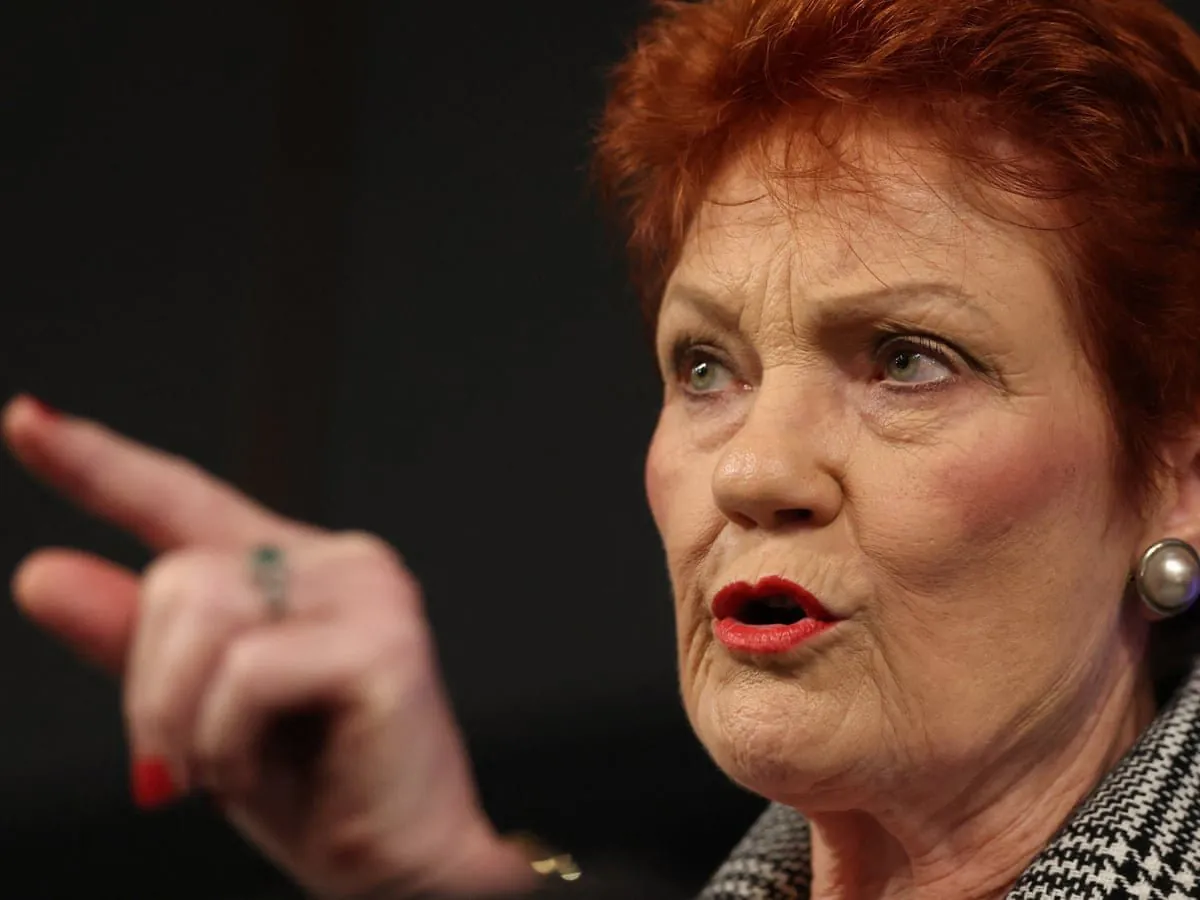
Pauline Hanson’s ‘War on the Media’ Escalates as She Bans ABC, The Age, and The Guardian from Victorian Election Announcement
- Senator Hanson blocks three major media outlets from attending the announcement of her party’s Victorian election candidates, sparking outrage and comparisons to Donald Trump’s ‘fake news’ attacks
- The move comes as One Nation launches its Victorian election campaign, with a promise to “put the major parties on notice” and a vow to “make a hell of a difference” in the state
- Despite the fanfare, the party’s announcement was notable for its lack of policy detail, with leader Warren Pickering admitting that policies would be released “in time”
- The move has been slammed as an attack on democracy and freedom of the press, with critics accusing Senator Hanson of trying to control the narrative and silence her critics
Pauline Hanson’s war on the media has escalated, with the One Nation leader blocking three major outlets from attending the announcement of her party’s Victorian election candidates.
The move has sparked outrage and comparisons to Donald Trump’s attacks on “fake news” outlets.
The announcement, held in Melbourne on Monday, was meant to be a showcase for One Nation’s Victorian election campaign, with the party launching its bid to “put the major parties on notice” and make a difference in the state.
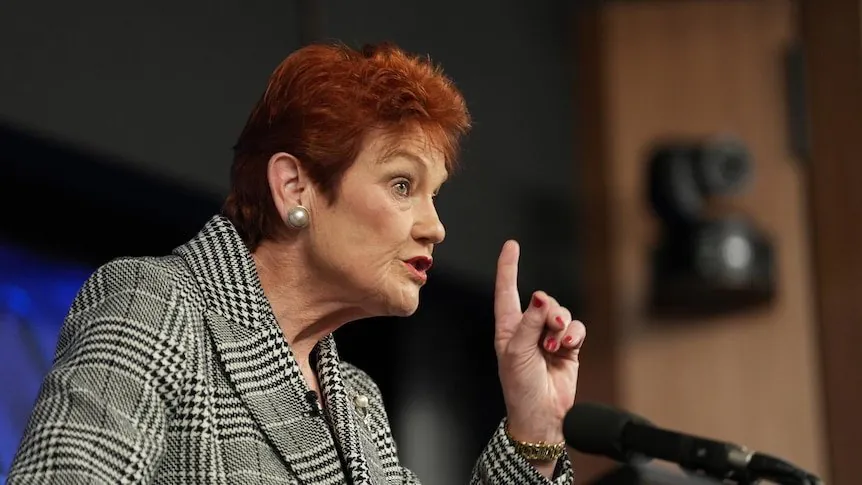
However, the event was marred by controversy, with reporters from the ABC, The Age, and The Guardian denied entry.
When questioned about the decision, Senator Hanson launched a tirade against the media, accusing them of biased reporting and a lack of fairness. “I’m sorry that democracy doesn’t happen on the ABC at all,” she said.
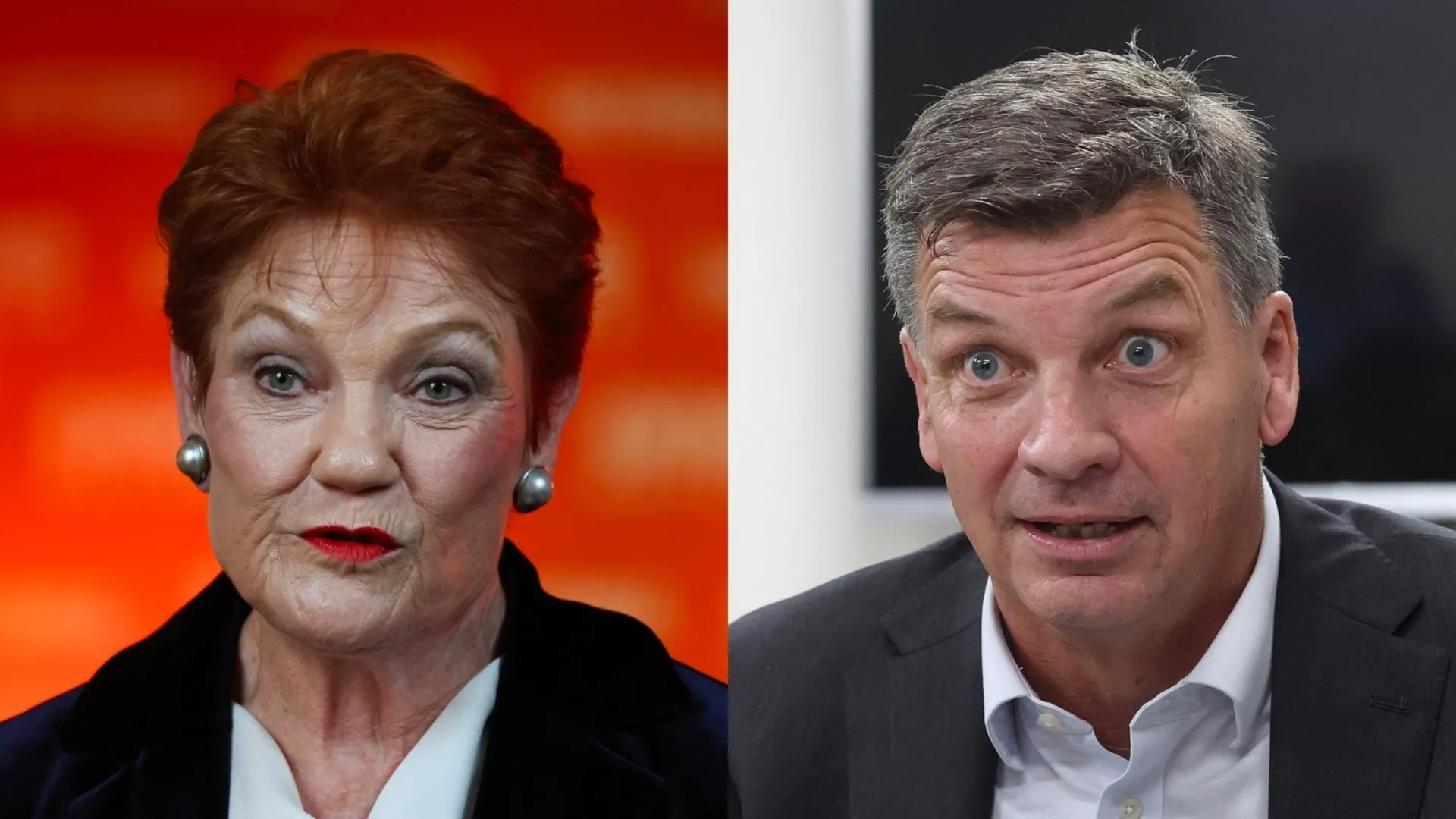

“And I’m sick of it, it’s not fair and just in their reporting.” The comments were reminiscent of Donald Trump’s attacks on the media during his presidency, and have sparked concerns about the erosion of press freedom in Australia.
The decision to ban the media outlets has been slammed as an attack on democracy and freedom of the press. Critics have accused Senator Hanson of trying to control the narrative and silence her critics, rather than engaging with the media and the public.
“This is a classic case of shoot the messenger,” said one media commentator. “If you don’t like the message, don’t blame the messenger, change the message.”
Despite the controversy, One Nation’s Victorian president, Warren Pickering, remained upbeat about the party’s chances in the election. “There is plenty to be excited about,” he said.
“As of today, One Nation is officially a part of the Victorian political landscape and will remain so.” However, when pressed for policy details, Pickering admitted that the party’s policies would be released “in time”.
The lack of policy detail has raised concerns about One Nation’s preparedness for government. The party has promised to “make a hell of a difference” in the state, but has yet to outline how it plans to achieve this.
Senator Hanson has hinted at a number of policies, including an “attack” on the “wokeness” in the education system and a royal commission into the construction sector.
However, these promises remain vague and lack detail.
Analysis: What This Means for Australia
The banning of media outlets from One Nation’s election announcement is a worrying sign for democracy in Australia. It suggests that the party is more interested in controlling the narrative than engaging with the public and the media.
This approach is not only undemocratic, but it also undermines the principles of transparency and accountability that are essential to a healthy democracy.
Furthermore, the lack of policy detail from One Nation raises concerns about the party’s preparedness for government. If elected, the party would be responsible for making decisions that affect the lives of millions of Australians.
Without a clear policy platform, it is unclear how the party would approach these decisions.
Security analysts say that the move is a classic example of a populist leader trying to manipulate the media and control the narrative. “This is a tried and true tactic used by authoritarian leaders around the world,” said one analyst.
“It’s a sign of a leader who is more interested in power than in serving the public interest.”
Law enforcement insiders warn that the move could have serious consequences for the media and for democracy. “If politicians are allowed to pick and choose which media outlets they engage with, it undermines the principles of a free press,” said one insider.
“It’s a slippery slope that could lead to a complete breakdown in the relationship between politicians and the media.”
Industry observers believe that the move is a sign of a deeper problem in Australian politics. “This is a symptom of a broader disease,” said one observer.
“It’s a sign of a political system that is increasingly polarized and partisan. We need to find a way to bring people together and promote a more constructive dialogue.”