
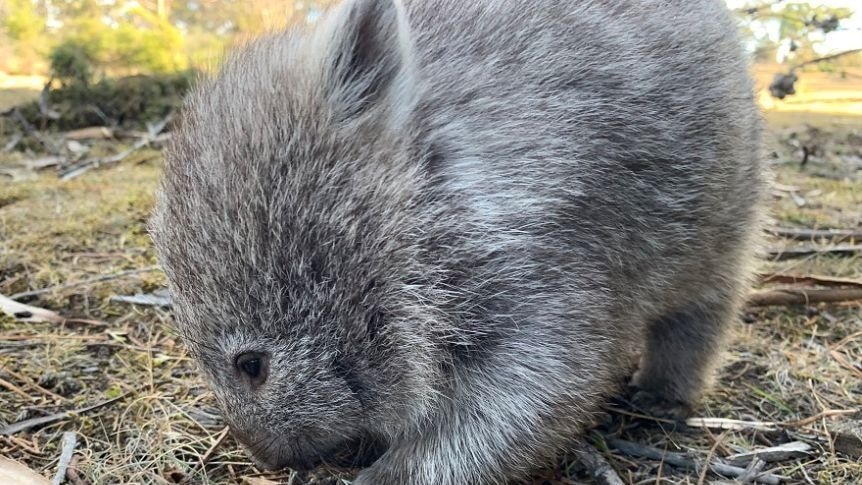
Wombat Killers Caught: Trio Charged Over Sickening Deliberate Slaughter of Protected Wildlife in Victoria
- Three men, aged 20 and 23, accused of using a vehicle to intentionally run down wombats on public land in South Gippsland
- Charges include hunting protected wildlife and animal cruelty, carrying fines of up to $62,730 and 18 months’ jail
- One of the men also accused of separate incident that allegedly led to the deaths of nine wombats at Venus Bay
- Investigation highlights the crucial role of public reports in uncovering wildlife crime, with police urging anyone with information to come forward
The tranquility of Victoria’s South Gippsland region was shattered in 2024 when a disturbing series of events unfolded, leaving a trail of death and destruction in its wake.
Three men, two aged 20 and one 23, have been charged with the alleged deliberate killing of wombats, sparking outrage and condemnation from the community and wildlife experts alike.
According to the Conservation Regulator, the trio used a vehicle to intentionally run down the protected wildlife on public land in the Walkerville area, a heinous act that has left many questioning the motivations behind such senseless violence.
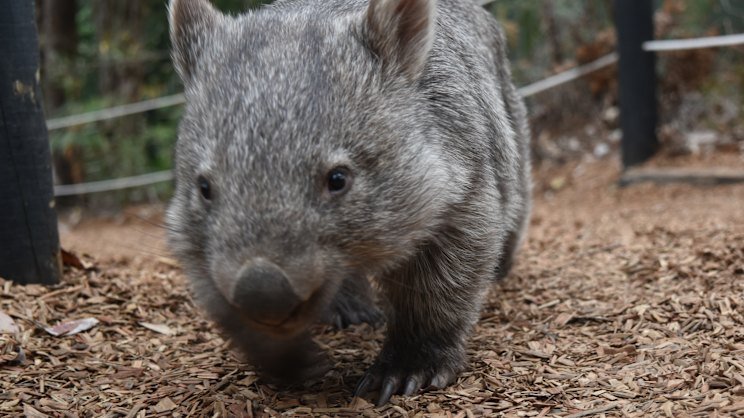
The accused men have been charged with hunting protected wildlife and animal cruelty, offences that carry significant penalties under Victorian law, including fines of up to $62,730 and 18 months’ imprisonment.
One of the 20-year-old men is also facing a separate charge related to an incident at Venus Bay in 2025, which allegedly resulted in the deaths of nine wombats.
The sheer scale of this incident has sent shockwaves through the community, with many demanding justice for the slain animals.
So, what drives individuals to commit such atrocities against innocent wildlife? The answer lies in a complex interplay of factors, including a lack of education, inadequate laws, and a culture of disregard for animal welfare.
In Victoria, the hunting of protected wildlife is a serious offence, with the state’s laws reflecting a growing recognition of the need to protect its unique and threatened species.
Analysis: What This Means for Australia
The alleged wombat killings in Victoria have significant implications for Australia’s national security and law enforcement. The fact that these incidents were only uncovered through public reports highlights the critical role that community engagement plays in combating wildlife crime.
However, it also raises concerns about the adequacy of current laws and the resources available to authorities to prevent and investigate such crimes.
Security analysts say that the deliberate killing of protected wildlife is often a symptom of a broader societal problem, one that requires a multifaceted approach to address.
“The fact that these individuals felt emboldened to commit such heinous acts suggests a lack of respect for the law and a disregard for animal welfare,” said one expert.
“It’s essential that we take a hardline stance against wildlife crime and provide authorities with the resources they need to prevent and investigate these offences.”
Law enforcement insiders warn that the rise of wildlife crime poses a significant threat to Australia’s unique biodiversity and the integrity of its ecosystems. “The deliberate killing of protected wildlife is not only a crime against animals, but also against the environment and the community,” said another expert.
“We need to take a proactive approach to preventing these crimes and protecting our wildlife, rather than simply reacting to incidents after they occur.”
As the investigation into the alleged wombat killings continues, the community remains outraged and demanding justice for the slain animals.
The case serves as a stark reminder of the need for vigilance and cooperation in protecting Australia’s unique wildlife and the importance of reporting any suspected wildlife crime to the authorities.