
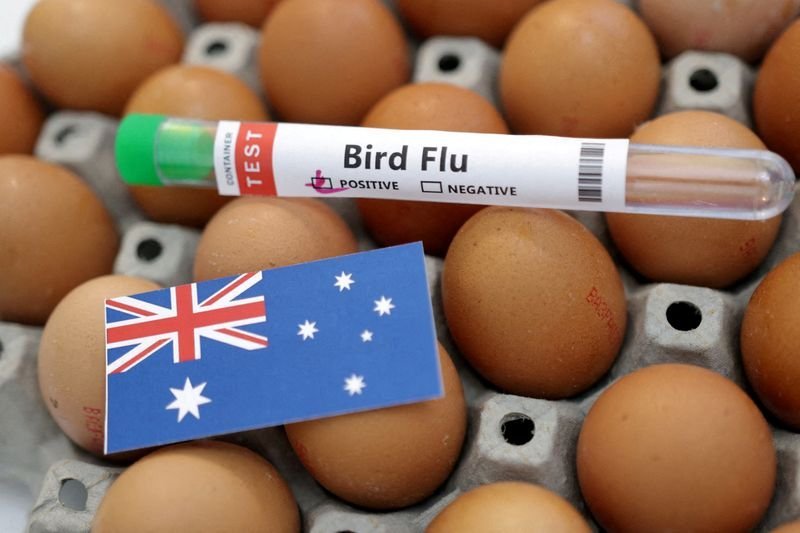
Bird Flu Outbreak Worsens: ‘Devastating Disease’ Spreads Across Australia as 80 Sick Birds Found Dead or Dying on Island
- A suspected mass mortality event has been reported on an island off South Australia’s southeast coast, with over 80 sick and dying birds found.
- The Department of Primary Industries is investigating the incident, which could mark the first mass mortality event since bird flu was detected in Australia six weeks ago.
- The total number of cases in Australia has risen to 53, with 39 recorded in South Australia, sparking concerns about the rapid escalation of the disease.
- Experts warn that the virus is “starting to take off” and could have devastating consequences for vulnerable birds and sea mammals.
The discovery of over 80 sick and dying birds on an island off South Australia’s southeast coast has sparked a major investigation into a suspected mass mortality event, as the country grapples with a worsening bird flu outbreak.
The Department of Primary Industries is testing the birds, which were found at Baudin Rocks off Cape Jaffa, to confirm the presence of the H5 strain of the virus.
The incident comes as a silver gull in Robe, also on South Australia’s southeast coast, returned a positive result during CSIRO testing, taking the total number of cases in Australia to 53.
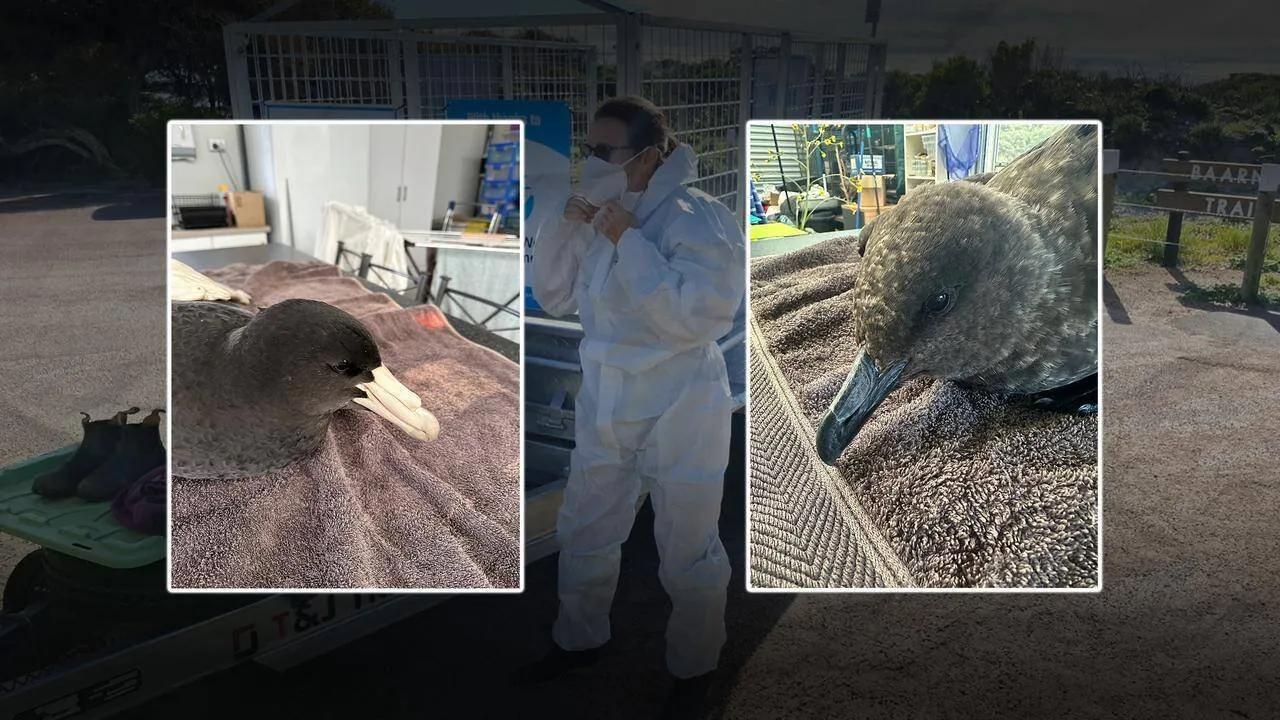
It was the first positive result recorded in a seagull in Australia since the outbreak. The majority of cases have been recorded in South Australia, with 39 detected in the state.
Australian Chief Veterinary Officer Dr Beth Cookson has reassured the public that the risk to human health remains low, but experts are warning of a potential disaster for the country’s bird and marine life.
The outbreak has raised concerns about the rapid escalation of the disease, with Invasive Species Council CEO Jack Gough warning that the virus is “starting to take off” and mirroring experience in South America where early detections were followed by a rapid increase in numbers.
“We are still at the very early stages of this devastating disease spreading,” Mr Gough said.
“But the likely first mass mortality coming just days after the virus was declared not eradicable indicates how quickly this could escalate.”
Analysis: What This Means for AustraliaThe bird flu outbreak has significant implications for Australia’s national security, law enforcement, and public safety.
The rapid escalation of the disease has raised concerns about the country’s ability to contain and manage the outbreak.
The fact that the virus has been detected in a seagull, a species that is widely distributed along Australia’s coastline, raises concerns about the potential for further spread.
The impact on Australia’s agricultural production system and food security is also a major concern, although Dr Cookson has reassured the public that the risk to human health remains low.
Security analysts say that the outbreak highlights the need for increased investment in wildlife resilience measures, such as fox and cat control, to prevent the spread of the disease.
Law enforcement insiders warn that the outbreak could also have significant implications for the country’s biosecurity, with the potential for the virus to be transmitted to other animals and potentially even humans.
Experts believe that the outbreak is a wake-up call for Australia to take a more proactive approach to managing and preventing the spread of diseases.
Industry observers believe that the country needs to invest more in research and development to improve its response to emerging diseases and to develop more effective strategies for managing and containing outbreaks.
As the situation continues to unfold, one thing is clear: the bird flu outbreak is a major concern for Australia, and the country needs to take swift and decisive action to contain and manage the spread of the disease.
The discovery of over 80 sick and dying birds on an island off South Australia’s southeast coast has sparked a major investigation into a suspected mass mortality event, as the country grapples with a worsening bird flu outbreak. The Department of Primary Industries is testing the birds, which were found at Baudin Rocks off Cape Jaffa, to confirm the presence of the H5 strain of the virus.
The incident comes as a silver gull in Robe, also on South Australia’s southeast coast, returned a positive result during CSIRO testing, taking the total number of cases in Australia to 53. It was the first positive result recorded in a seagull in Australia since the outbreak. The majority of cases have been recorded in South Australia, with 39 detected in the state. Australian Chief Veterinary Officer Dr Beth Cookson has reassured the public that the risk to human health remains low, but experts are warning of a potential disaster for the country’s bird and marine life.
The outbreak has raised concerns about the rapid escalation of the disease, with Invasive Species Council CEO Jack Gough warning that the virus is “starting to take off” and mirroring experience in South America where early detections were followed by a rapid increase in numbers. “We are still at the very early stages of this devastating disease spreading,” Mr Gough said. “But the likely first mass mortality coming just days after the virus was declared not eradicable indicates how quickly this could escalate.”
The bird flu outbreak has significant implications for Australia’s national security, law enforcement, and public safety. The rapid escalation of the disease has raised concerns about the country’s ability to contain and manage the outbreak. The fact that the virus has been detected in a seagull, a species that is widely distributed along Australia’s coastline, raises concerns about the potential for further spread. The impact on Australia’s agricultural production system and food security is also a major concern, although Dr Cookson has reassured the public that the risk to human health remains low.
Security analysts say that the outbreak highlights the need for increased investment in wildlife resilience measures, such as fox and cat control, to prevent the spread of the disease. Law enforcement insiders warn that the outbreak could also have significant implications for the country’s biosecurity, with the potential for the virus to be transmitted to other animals and potentially even humans.
Experts believe that the outbreak is a wake-up call for Australia to take a more proactive approach to managing and preventing the spread of diseases. Industry observers believe that the country needs to invest more in research and development to improve its response to emerging diseases and to develop more effective strategies for managing and containing outbreaks.
As the situation continues to unfold, one thing is clear: the bird flu outbreak is a major concern for Australia, and the country needs to take swift and decisive action to contain and manage the spread of the disease.