Australia’s Indigenous Water Rights Win: High Court Overturns ‘Unlawful’ Licence for Massive Fruit Farm in Central Australia
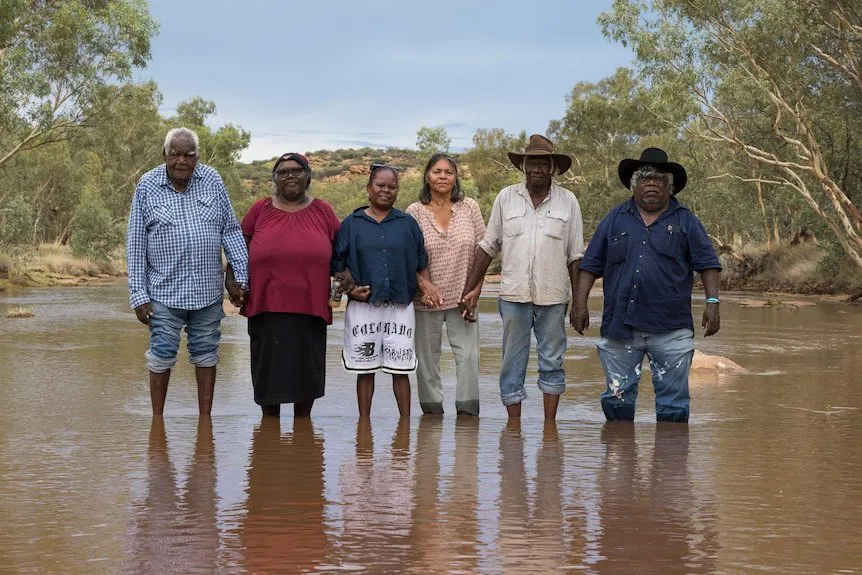
- Native title holders from Central Australia have secured a major victory in the High Court, overturning a water licence that would have enabled a massive fruit farm to be built on their ancestral lands.
- The High Court ruled that the Northern Territory government had not lawfully granted the 30-year water licence to Fortune Agribusiness, citing a failure to consider Aboriginal cultural values and denying procedural fairness to native title holders.
- The decision is a significant win for Indigenous Australians, who have long fought to assert their cultural rights over traditional lands and water sources.
- The case has major implications for Australia’s native title laws and the protection of Indigenous cultural heritage.
The High Court’s decision is a powerful affirmation of Indigenous Australians’ rights to their ancestral lands and waters.
The case centred on a plan by Fortune Agribusiness to develop a massive fruit farm on Singleton Station, south of Tennant Creek, which would have required one of the country’s biggest water licences ever sought by a single organisation.
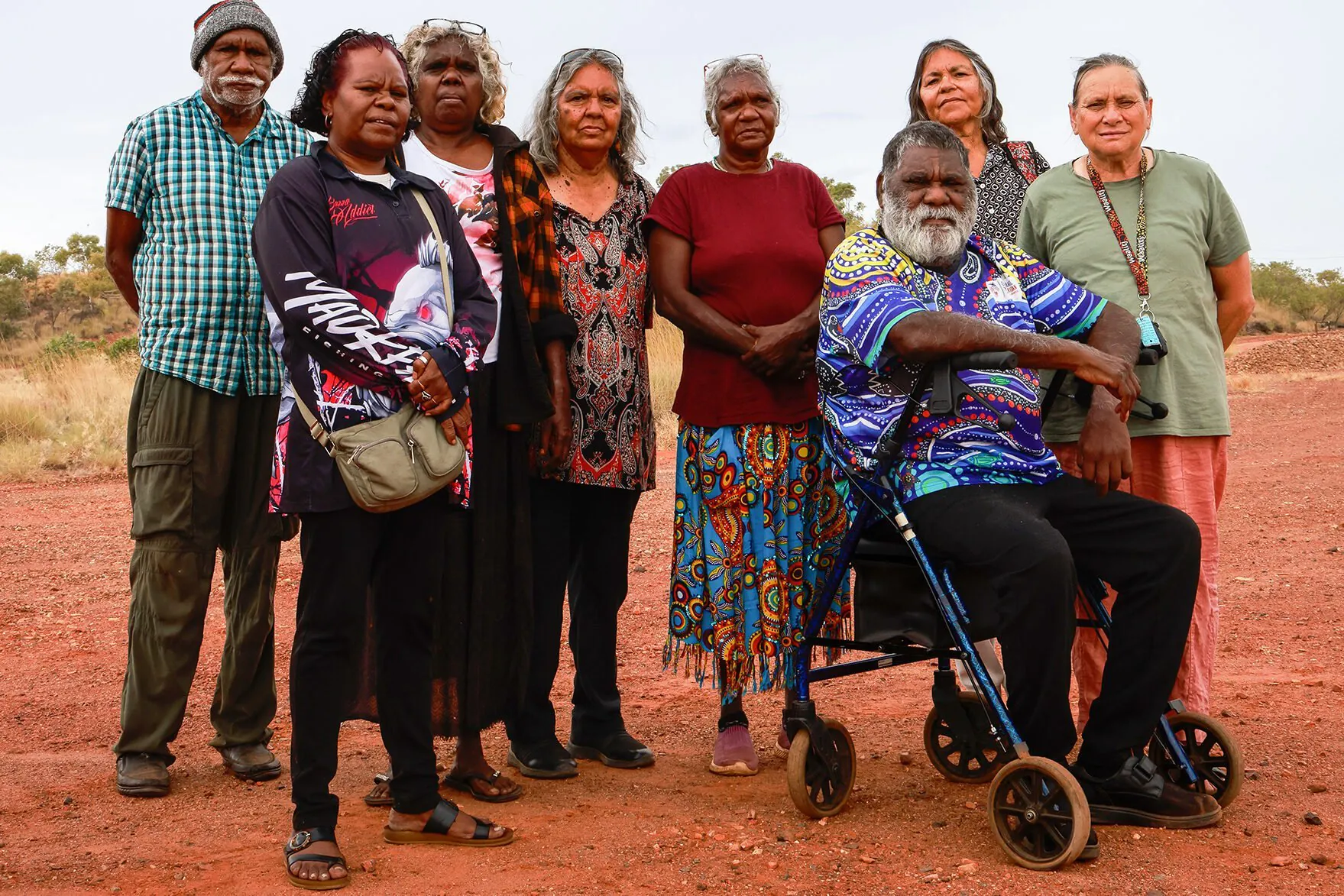
The Mpwerempwer Aboriginal Corporation (MAC), which represents native title holders from four Aboriginal landholding groups, challenged the water licence in the High Court, arguing that it had not been lawfully granted and that Aboriginal cultural values had not been considered in the decision-making process.
The High Court agreed, ruling that the Northern Territory government had not properly justified granting the water licence for 30 years rather than the standard 10-year period.
The court also found that the minister had denied MAC procedural fairness by not providing a reasonable opportunity to make its case about conditions imposed on the licence.




The decision is a significant blow to Fortune Agribusiness, which had planned to transform the cattle station into one of the nation’s biggest fruit farms, requiring 40,000 megalitres (40 billion litres) of water every year once fully developed.
The company had argued that the minister responsible was not legally obliged to consider special circumstances, including any cultural values impact assessment.
However, the High Court’s decision is a major victory for native title holders, who have long fought to assert their cultural rights over traditional lands and water sources.
The case has major implications for Australia’s native title laws and the protection of Indigenous cultural heritage.
Analysis: What This Means for Australia
The High Court’s decision has significant implications for Australia’s native title laws and the protection of Indigenous cultural heritage.
The case highlights the need for greater consideration of Aboriginal cultural values in decision-making processes and the importance of procedural fairness in ensuring that native title holders are given a reasonable opportunity to make their case.
Security analysts say that the decision is a major win for Indigenous Australians, who have long fought to assert their rights to their ancestral lands and waters.
The case sets an important precedent for future native title claims and highlights the need for greater recognition and respect for Indigenous cultural heritage.
Law enforcement insiders warn that the decision may have implications for other development projects in Australia, particularly those that involve the use of Indigenous lands and waters.
The case highlights the need for greater consideration of Aboriginal cultural values and the importance of procedural fairness in ensuring that native title holders are given a reasonable opportunity to make their case.
Industry observers believe that the decision may have significant economic implications for Australia, particularly in the agriculture and mining sectors.
The case highlights the need for greater recognition and respect for Indigenous cultural heritage and the importance of ensuring that native title holders are given a reasonable opportunity to make their case.
Fortune Agribusiness has stated that it respects the High Court’s decision and will carefully consider the reasons for the judgment before making any further comment.
The company maintains its long-standing commitment to constructive engagement with native title holders and the Central Land Council and will continue to seek an agreed pathway to deliver benefits in a respectful and collaborative manner.
However, the decision is a major victory for native title holders, who have long fought to assert their cultural rights over traditional lands and water sources.
The case has major implications for Australia’s native title laws and the protection of Indigenous cultural heritage.