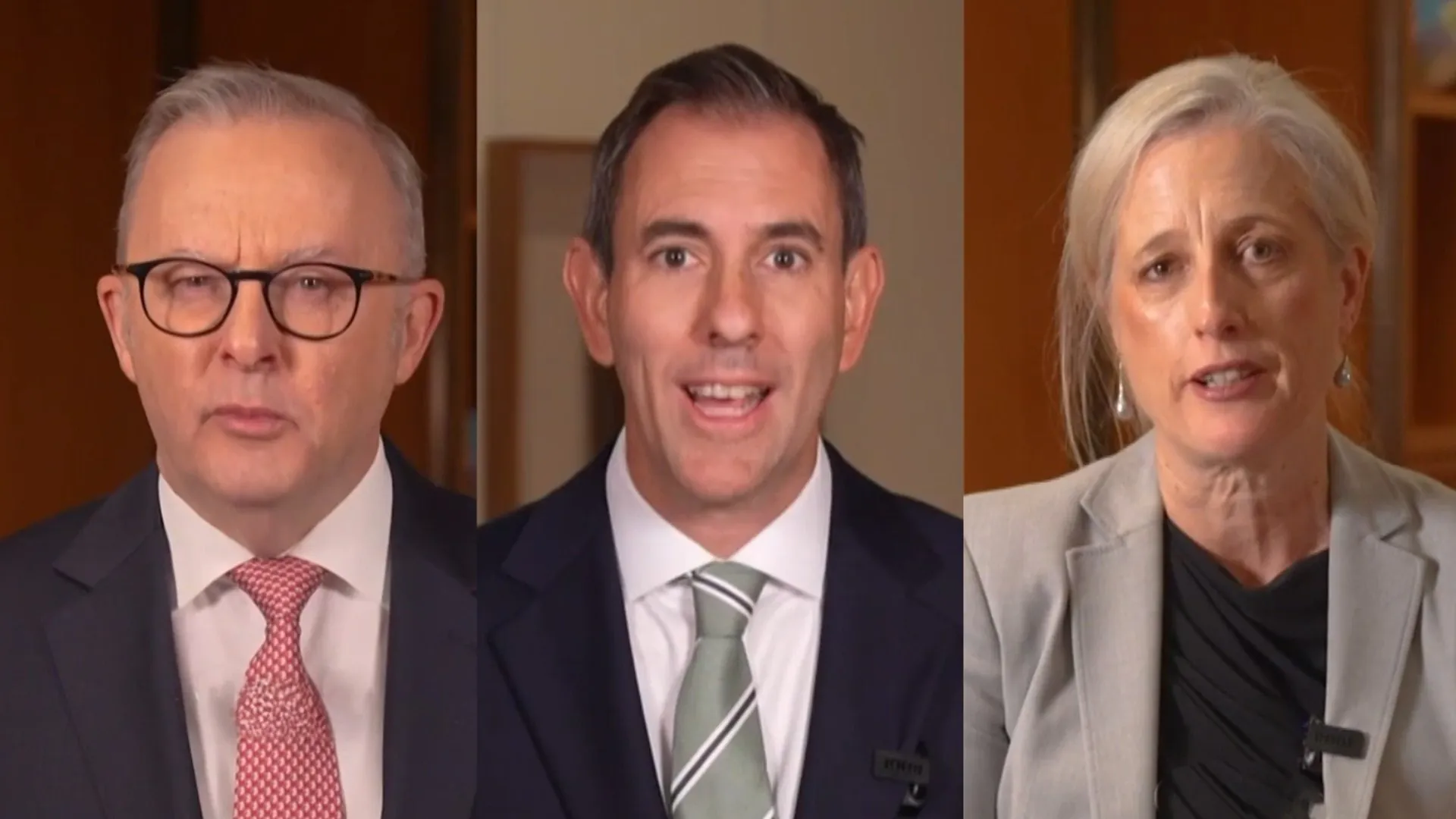
Government’s Budget Blunder: ‘Widow’s Tax’ Fix Sparks Fresh Criticism of Labor’s Economic Management
- Labor’s budget tax reforms have been marred by a major loophole, dubbed the “widow’s tax”, which could have seen property owners lose negative gearing benefits in the event of death, divorce, or separation.
- The government has been forced to fix the issue, with Treasurer Jim Chalmers confirming the benefit will follow the property when ownership is transferred in these circumstances.
- The Nationals and independents have hit out at Labor’s handling of the issue, with Nationals Senate Leader Bridget McKenzie describing it as “another backflip from Labor” and Community Strong Australia MP Allegra Spender warning of the risks of rushing into complex tax changes.
- The controversy has sparked fresh criticism of Labor’s economic management, with McKenzie accusing the government of “attacking hard-working Australians” and Spender urging a more cautious approach to tax reform.
The Labor government’s budget tax reforms have been dealt a fresh blow, with the opposition and independents seizing on a major loophole that threatened to penalize property owners in the event of death, divorce, or separation.
The so-called “widow’s tax” issue has sparked widespread criticism of Labor’s economic management, with Treasurer Jim Chalmers forced to intervene and fix the problem.
The controversy began when Independent Senator David Pocock flagged concerns that property owners could lose negative gearing benefits if they inherited their partner’s share following a change in circumstances.
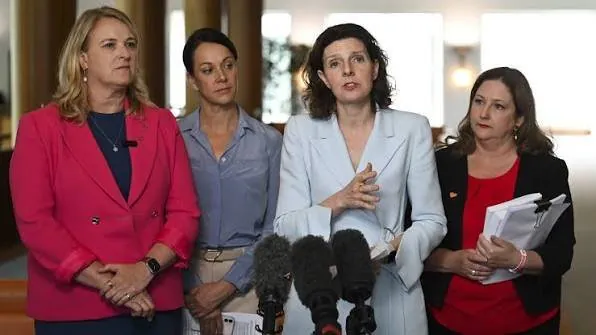
The issue sparked widespread outrage, with many accusing the government of unfairly targeting vulnerable Australians.
In response, Chalmers confirmed that the benefit would follow the property when ownership is transferred in these circumstances, with the fix set to pass through parliament next week.




However, despite support for the change, the move has prompted fresh criticism of the government’s handling of its budget. Nationals Senate Leader Bridget McKenzie described the issue as “another backflip from Labor”, accusing the government of “economic incompetence”.
“I think what we are seeing… is confirmation of Labor’s economic incompetence,” she told Sunrise.
“The fact that, nearly three months after the federal budget was handed down, we’re having to, again, fix up a mess of Labor’s making I think says everything about the Labor Party.”
McKenzie confirmed that the Coalition would support the fix but vowed to repeal the negative gearing changes overall if elected to government. “We’re going to help them fix up their mess,” she said.
“But we’ve made it very clear that we’ll be repealing these bad taxes if we get the chance to govern.”
Community Strong Australia MP Allegra Spender agreed that the loophole needed to be addressed but warned of the risks of rushing into complex tax changes.
“I think this is the real challenge of really pushing through and rushing through legislation as quickly as they have on the budget,” she told Sunrise.
Spender argued that property taxes needed to be addressed but urged the government to take a more cautious approach. “With this sort of tax reform, I think you’ve got to take it slowly … You’ve got to do it carefully.
You’ve got to do it with consultation. I think the government hasn’t done that well enough.”
Spender expressed particular concern about the impact of the broader reforms on small and fast-growing businesses. “I think that’s where the real risk is,” she said.
“I think that’s where the government needs to be more careful and more cautious in their approach.”
Analysis: What This Means for Australia
The “widow’s tax” controversy has significant implications for Australia’s economic management and the government’s handling of tax reform. The issue has sparked widespread criticism of Labor’s economic competence, with many accusing the government of unfairly targeting vulnerable Australians.
The controversy has also highlighted the risks of rushing into complex tax changes, with experts warning of the need for careful consultation and consideration.
Security analysts say that the issue has exposed the government’s lack of preparedness for the unintended consequences of its tax reforms. “This is a classic example of the government not thinking through the consequences of their actions,” said one analyst.
“It’s a mess, and it’s going to take a lot of work to fix it.”
Law enforcement insiders warn that the controversy has also highlighted the need for greater transparency and accountability in the government’s handling of tax reform. “This is a wake-up call for the government,” said one insider.
“They need to be more transparent and more accountable in their decision-making processes.”
The controversy has also sparked concern about the impact of the broader reforms on small and fast-growing businesses. Industry observers believe that the government’s approach to tax reform has been too hasty and too focused on short-term gains.
“The government needs to take a more cautious approach to tax reform,” said one observer. “They need to think about the long-term consequences of their actions and how they will impact the economy.”