
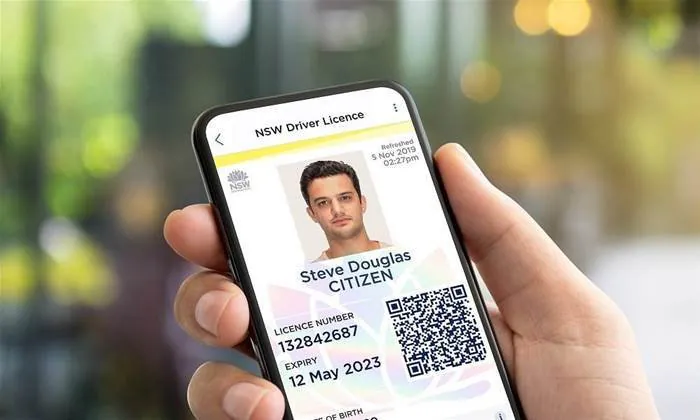
‘Big Brother’ Bill: NSW Drivers’ Licence Photos to be Shared with National Facial Recognition Database in Bid to Crack Down on Identity Fraud and Organised Crime
- NSW drivers’ licence photos could be shared with a national facial recognition database under proposed new laws.
- The move is part of a bill aimed at preventing identity fraud and organised crime networks.
- Police access to unredacted photos from public toll roads could also be granted.
- Critics warn the plan is a ‘mass surveillance’ move that lacks safeguards.
The New South Wales government has introduced a bill to parliament that could see drivers’ licence photos shared with a national facial recognition database. The move is part of a broader effort to crack down on identity fraud and organised crime networks.
Under the proposed laws, NSW would join a national facial recognition service, which shares ID photos with a nation-wide database. The database would be used to prevent the use of stolen identities in criminal conduct.
NSW Police Minister Yasmin Catley said the new laws would help prevent organised criminals from exploiting vulnerabilities in the system.
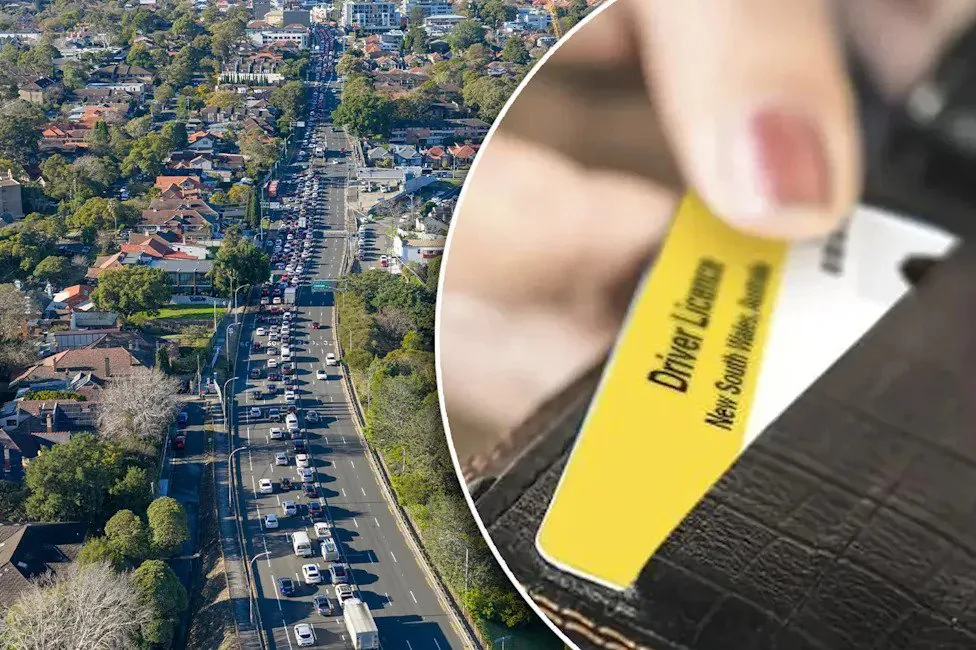
“Organised criminals will exploit any vulnerability that they can, and we know that they use fake identity documents to create bank accounts that are used to funnel and to launder their crook cash,” she said.
Ms Catley said the government took “people’s privacy very seriously”, and the database would only be used for identity verification.
“When an authorised agency or organisation submits an image for verification, the system compares it against its records and returns only a yes or no response,” she said.
NSW Premier Chris Minns said the new laws would help police track down offenders.
“As it stands today, New South Police can’t see who’s in the driver’s seat, which is obviously a key piece of information in cracking that case,” he said.
But critics warn the plan is a “mass surveillance” move that lacks safeguards. NSW Council for Civil Liberties President Timothy Roberts said the government needed to “slow down” on expanding police powers.
“We see, internationally, very concerning trends when it comes to the police use of, essentially, mass surveillance, and that’s what we’re talking about here, increasing use of access to cameras,” Mr Roberts said.
Analysis: What This Means for Australia
The proposed laws have significant implications for national security, law enforcement, and community safety. By granting police access to a national facial recognition database, the government is taking a major step towards preventing identity fraud and organised crime.
However, critics warn that the plan lacks safeguards and could lead to mass surveillance.
Security analysts say the use of facial recognition technology is a double-edged sword. While it can help prevent crime, it also raises concerns about privacy and civil liberties.
“The key is to strike a balance between security and individual rights,” said one analyst.
Law enforcement insiders warn that the plan could lead to a “surveillance state” where citizens are constantly monitored.
“The police minister can say that [police] need to request specific things, but we do not have the tools as a community to keep them in check,” said Mr Roberts.
Industry observers believe the plan is a necessary evil in the fight against organised crime. “The good here outweighs people’s concerns.
This is about police being able to get criminals fast,” said Ms Catley.
As the debate continues, one thing is clear: the use of facial recognition technology is here to stay. The question is how to balance its use with individual rights and freedoms.