

‘A Horrific Reality’: Dying Woman’s Desperate Plea to PM Albanese to Change Laws Blocking Regional Australians from Voluntary Assisted Dying
- A terminally ill Adelaide woman is using her final days to lobby for better access to voluntary assisted dying for regional patients.
- A provision in the Commonwealth Criminal Code is effectively denying some Australians access to VAD due to where they live.
- Doctors cannot use phone, email, internet, or video to advise patients about accessing VAD medication, forcing some to travel long distances for consultations.
- Advocates and medical professionals are pushing for changes to allow telehealth for VAD care, but Prime Minister Anthony Albanese remains personally opposed.
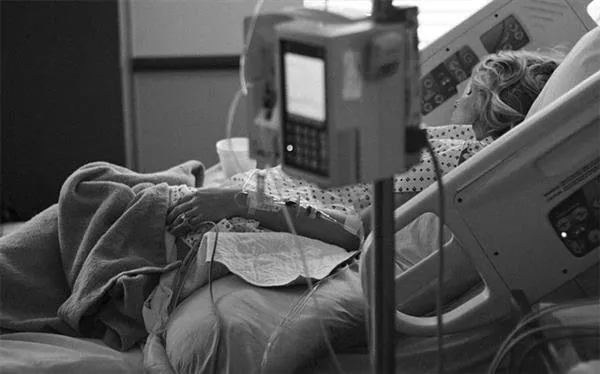
Sandra Sarantou’s voice is weak but resolute as she speaks about her final wish.
The 58-year-old Adelaide woman is preparing to end her life using voluntary assisted dying (VAD) tomorrow, but she’s using her last days to lobby for change.
Sarantou is urging Prime Minister Anthony Albanese to amend a law that’s limiting access to VAD for regional Australians.
Despite VAD being legal in every Australian jurisdiction except the Northern Territory, a provision in the Commonwealth Criminal Code is effectively denying some Australians access to the care.
The code, intended to outlaw the use of “carriage services” to “incite suicide,” has been interpreted to apply to doctors advising patients about VAD. This means doctors cannot use phone, email, internet, or video to advise patients about accessing VAD medication.
The consequences are dire. Workforce shortages in rural and remote areas have meant some dying people have been forced to travel long distances for consultations.
For some, that’s not been possible, and they’ve missed out on VAD. Families of people who wanted to access VAD but died before completing the process say telehealth consultations could have spared them unnecessary suffering.
Sarantou knows firsthand the struggles of rural patients. As a paramedic, she worked in rural areas of South Australia for 13 years.
She feels “guilty” that she can access VAD while others cannot.
“It’s even a struggle just to move from one end of the house to another… for those people to travel hours to possibly see a doctor and not get the chance for VAD is just horrific,” she said.
Advocates and medical professionals are pushing for changes to allow telehealth for VAD care. Independent MP Kate Chaney and Greens Senator Sarah Hanson Young are introducing bills to amend the Commonwealth Criminal Code.
However, Prime Minister Anthony Albanese remains personally opposed to allowing telehealth for VAD, citing concerns about vulnerable patients being taken advantage of.
Analysis: What This Means for Australia
The issue highlights the need for greater access to VAD care in regional Australia. The current system is failing those who need it most – the terminally ill who are unable to travel for consultations.
By not allowing telehealth for VAD, the government is effectively denying some Australians their right to die with dignity.
Security analysts say the provision in the Commonwealth Criminal Code is outdated and needs to be revised.
“The code was written before the advent of telehealth, and it’s time for it to be updated to reflect the changing needs of Australians,” said one analyst.
Law enforcement insiders warn that the current system is also creating unnecessary suffering for families. “It’s heartbreaking to see families having to watch their loved ones suffer because they can’t access VAD,” said one insider.
Industry observers believe that allowing telehealth for VAD care would not weaken overall protections.
“The states have rigorous and documented processes for permitting someone to undergo a VAD procedure, and these would still apply whether it’s by telehealth or any other circumstance,” said Dr.
Christopher Rudge, a University of Sydney Law Health expert.
As Sandra Sarantou prepares to say goodbye to her son and end her life, she hopes that her story will bring about change. “Please change these laws, make it fair and available for everyone despite where they are living,” she pleaded.