Speeding Senator: Australia’s Youngest Federal Politician Fined for Breaking the Law
- Australia’s youngest senator, 22-year-old Charlotte Walker, has been fined for speeding just months after joining parliament
- The South Australian senator was caught driving 8km/h over the limit and copped a $215 fine and two demerit points
- Walker’s speeding offence was linked to a private-plated car provided under the parliamentary fleet scheme, which is funded by taxpayers
- The incident has raised questions about the accountability of politicians and the use of taxpayer-funded resources
The news that Australia’s youngest federal politician has been fined for speeding is a shocking reminder that no one is above the law – not even those in the highest echelons of power.
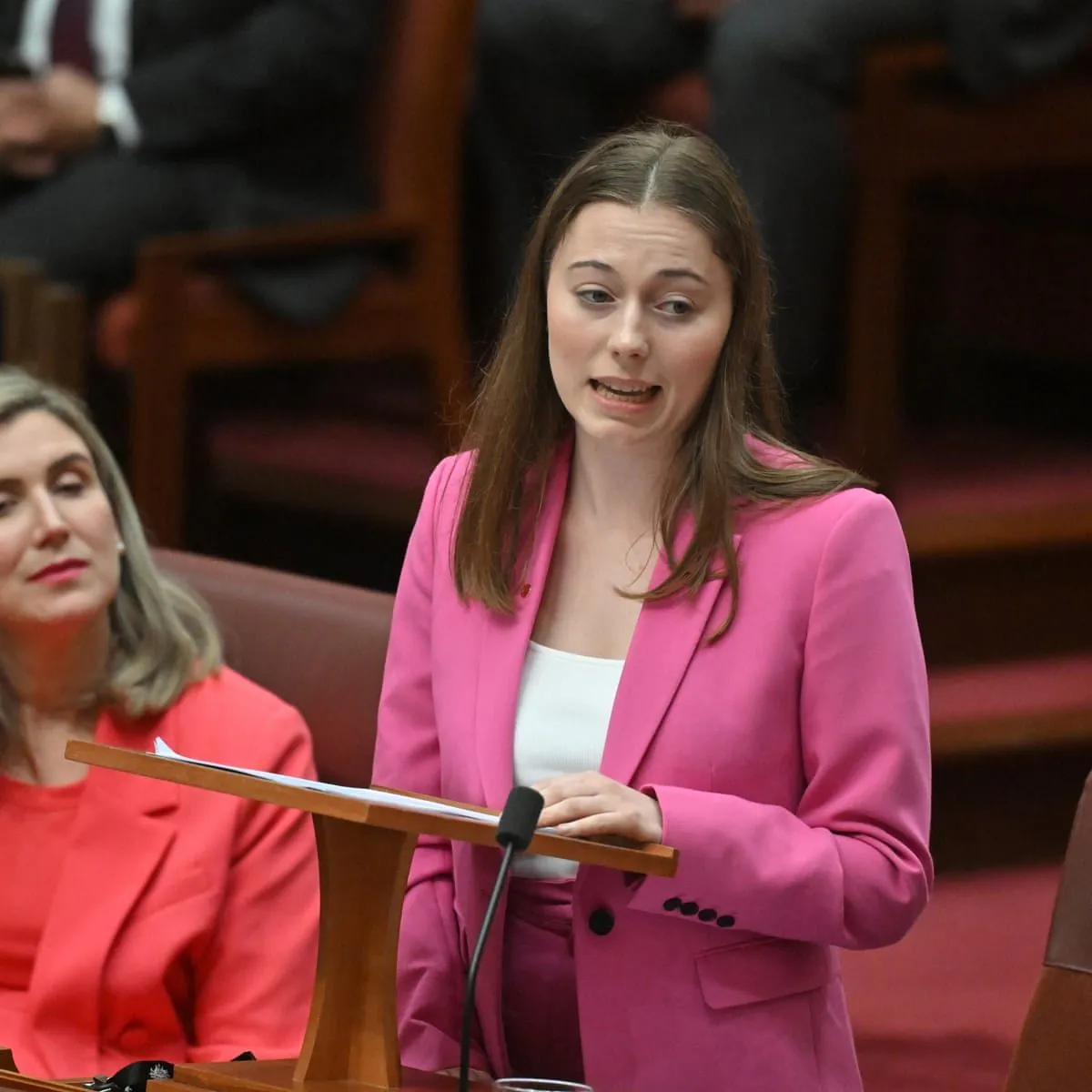
Senator Charlotte Walker, who joined the Senate at just 21 years old, has been hit with a $215 fine and two demerit points for driving 8km/h over the speed limit.
The incident has sparked a wider debate about the accountability of politicians and the use of taxpayer-funded resources. Walker’s speeding offence occurred on November 13, 2025, and was linked to a private-plated car provided under the parliamentary fleet scheme.
The scheme allows MPs and senators to use taxpayer-funded vehicles for both work and personal use, with taxpayers covering costs including registration, fuel, servicing, and maintenance.
The vehicles have standard number plates, not government identifiers, and are managed by Ministerial and Parliamentary Services. The parliamentary fleet scheme has been criticized in the past for its lack of transparency and accountability.




MPs and senators can choose a fully funded private-plated car or take a $19,500-a-year cash allowance.
Those who keep the car also receive a $16,910 annual transport budget to cover taxis, rideshares, and other travel when their main vehicle isn’t available.
The scheme is overseen by Ministerial and Parliamentary Services and the Independent Parliamentary Expenses Authority. Walker’s case has raised questions about the use of taxpayer-funded resources and the accountability of politicians.
The 22-year-old senator has been under scrutiny since joining the Senate, with many questioning her age and parliamentary salary. Federal senators are paid more than $239,000 a year, and Walker has faced criticism for her perceived lack of life experience.
Analysis: What This Means for AustraliaThe incident highlights the need for greater transparency and accountability in the use of taxpayer-funded resources.
The parliamentary fleet scheme has been criticized for its lack of transparency, and Walker’s case has brought attention to the issue. The use of taxpayer-funded vehicles for personal use raises questions about the separation of personal and public life for politicians.
The incident also raises concerns about the accountability of politicians.
Walker’s speeding offence may seem minor, but it highlights the need for politicians to be held to the same standards as the rest of the community.
The fact that Walker was driving a taxpayer-funded vehicle at the time of the offence adds to the controversy. Security analysts say that the incident highlights the need for greater scrutiny of politicians’ use of taxpayer-funded resources.
“Politicians must be held to the same standards as the rest of the community,” said one analyst.
“The use of taxpayer-funded vehicles for personal use raises questions about the separation of personal and public life for politicians.”
The incident has also sparked a wider debate about the age and experience of politicians.
Walker has argued that parliament should better reflect the diversity of the Australian community, including younger Australians. However, others have questioned whether she has the life experience to effectively represent her constituents.
Walker has rejected claims that her age makes her out of touch, pointing to a childhood where money was often tight and where she had to support herself from an early age.
By 14, Walker was working at a supermarket and gradually became financially independent. Before entering parliament, she worked in retail, childcare administration, private health insurance, political staffing, and, most recently, at the Australian Services Union.
Industry observers believe that the incident highlights the need for greater transparency and accountability in politics. “The use of taxpayer-funded resources must be transparent and accountable,” said one observer.
“The public has a right to know how their money is being spent.”
In conclusion, the incident highlights the need for greater transparency and accountability in the use of taxpayer-funded resources and the accountability of politicians.
The use of taxpayer-funded vehicles for personal use raises questions about the separation of personal and public life for politicians, and the incident has sparked a wider debate about the age and experience of politicians.
The news that Australia’s youngest federal politician has been fined for speeding is a shocking reminder that no one is above the law – not even those in the highest echelons of power. Senator Charlotte Walker, who joined the Senate at just 21 years old, has been hit with a $215 fine and two demerit points for driving 8km/h over the speed limit. The incident has sparked a wider debate about the accountability of politicians and the use of taxpayer-funded resources.
Walker’s speeding offence occurred on November 13, 2025, and was linked to a private-plated car provided under the parliamentary fleet scheme. The scheme allows MPs and senators to use taxpayer-funded vehicles for both work and personal use, with taxpayers covering costs including registration, fuel, servicing, and maintenance. The vehicles have standard number plates, not government identifiers, and are managed by Ministerial and Parliamentary Services.
The parliamentary fleet scheme has been criticized in the past for its lack of transparency and accountability. MPs and senators can choose a fully funded private-plated car or take a $19,500-a-year cash allowance. Those who keep the car also receive a $16,910 annual transport budget to cover taxis, rideshares, and other travel when their main vehicle isn’t available. The scheme is overseen by Ministerial and Parliamentary Services and the Independent Parliamentary Expenses Authority.
Walker’s case has raised questions about the use of taxpayer-funded resources and the accountability of politicians. The 22-year-old senator has been under scrutiny since joining the Senate, with many questioning her age and parliamentary salary. Federal senators are paid more than $239,000 a year, and Walker has faced criticism for her perceived lack of life experience.
The incident highlights the need for greater transparency and accountability in the use of taxpayer-funded resources. The parliamentary fleet scheme has been criticized for its lack of transparency, and Walker’s case has brought attention to the issue. The use of taxpayer-funded vehicles for personal use raises questions about the separation of personal and public life for politicians.
The incident also raises concerns about the accountability of politicians. Walker’s speeding offence may seem minor, but it highlights the need for politicians to be held to the same standards as the rest of the community. The fact that Walker was driving a taxpayer-funded vehicle at the time of the offence adds to the controversy.
Security analysts say that the incident highlights the need for greater scrutiny of politicians’ use of taxpayer-funded resources. “Politicians must be held to the same standards as the rest of the community,” said one analyst. “The use of taxpayer-funded vehicles for personal use raises questions about the separation of personal and public life for politicians.”
The incident has also sparked a wider debate about the age and experience of politicians. Walker has argued that parliament should better reflect the diversity of the Australian community, including younger Australians. However, others have questioned whether she has the life experience to effectively represent her constituents.
Walker has rejected claims that her age makes her out of touch, pointing to a childhood where money was often tight and where she had to support herself from an early age. By 14, Walker was working at a supermarket and gradually became financially independent. Before entering parliament, she worked in retail, childcare administration, private health insurance, political staffing, and, most recently, at the Australian Services Union.
Industry observers believe that the incident highlights the need for greater transparency and accountability in politics. “The use of taxpayer-funded resources must be transparent and accountable,” said one observer. “The public has a right to know how their money is being spent.”
In conclusion, the incident highlights the need for greater transparency and accountability in the use of taxpayer-funded resources and the accountability of politicians. The use of taxpayer-funded vehicles for personal use raises questions about the separation of personal and public life for politicians, and the incident has sparked a wider debate about the age and experience of politicians.