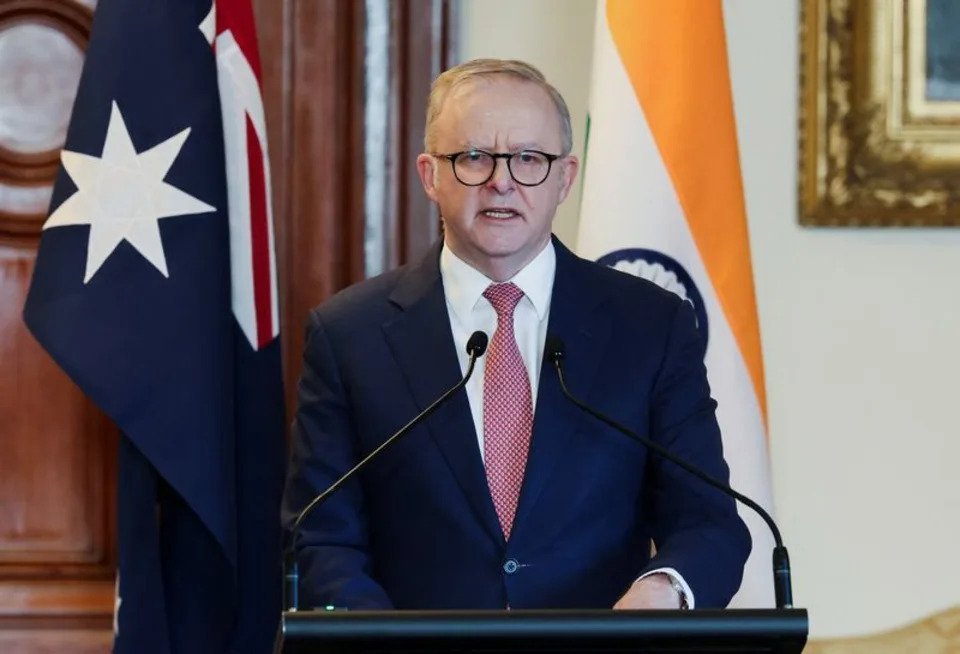
Albanese’s High-Stakes Call with Trump: A Desperate Bid to Shield Australia from Devastating US Tariffs
- Anthony Albanese’s 40-minute phone call with Donald Trump sparks hopes of exemption from crippling US tariffs that threaten to cripple Australian exports.
- The prime minister’s plea to Trump comes as Australia faces a 12.5 per cent tariff on imports, one of the highest in the world, sparking fears of economic chaos.
- Albanese’s bold move is seen as a high-risk, high-reward gamble to protect Australia’s economy and trade relationships with the US.
- The two leaders also discussed the war in Iran, AUKUS, and China’s recent ballistic missile test, which has sent shockwaves across the Pacific.
Anthony Albanese’s surprise phone call with Donald Trump has left many in the Australian business community holding their breath as the prime minister fights to shield the country from devastating US tariffs.
The 40-minute conversation, which took place overnight, was seen as a last-ditch effort to persuade the US president to grant Australia an exemption from the latest round of sweeping tariffs.
At the heart of the dispute is a 12.5 per cent tariff on Australian imports, which came into effect recently, superseding the 10 per cent tariff that was set to expire.
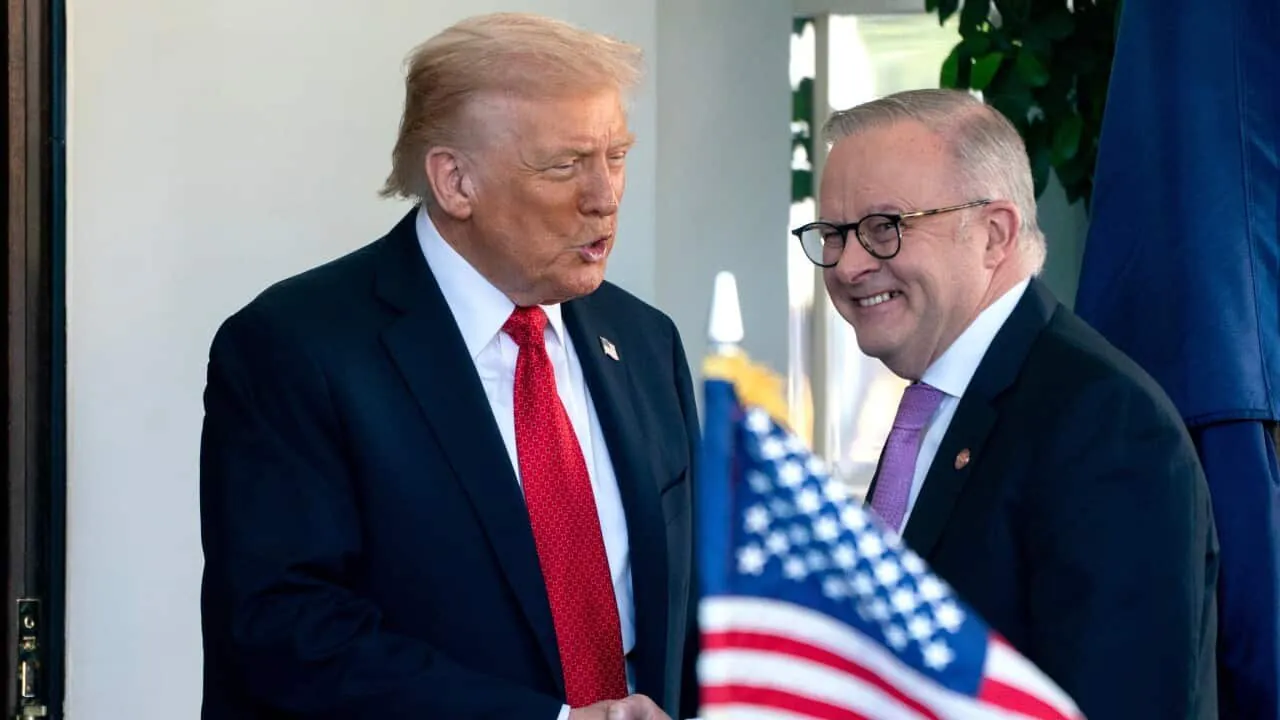
The move has been met with fierce resistance from the Australian government, which maintains there is “no credible evidentiary basis” for the move.
Senior ministers believe the Trump administration is simply trying to find a workaround after the Supreme Court struck down its 10 per cent tariffs in February.


Albanese’s bold move is seen as a high-risk, high-reward gamble to protect Australia’s economy and trade relationships with the US.
The prime minister has urged Trump to “consider a full exemption” for Australia, or “at the very least no increase” from the old 10 per cent tariff rate.
He stressed the scale of Australian investment in the United States and that “over 20 years the US has had a trade surplus with Australia of US$442 billion”.
The two leaders also discussed the war in Iran, with Albanese reiterating Australia’s call for the conflict to be brought to an end.
Analysts say the US is now stuck in a quagmire in Iran with no clear exit strategy, while talks over Tehran’s chokehold on the Strait of Hormuz remain bogged down.
Trump gave Albanese an “extensive update” on the progress of the war, and “expressed his confidence going forward”.
In a rare show of unity, the two men also agreed that the AUKUS nuclear submarine program remains “full steam ahead”. However, tensions remain high over China’s recent ballistic missile test in the Pacific, which has stirred unease among several nations across the region.
Albanese briefed Trump on the host of new treaties Australia has struck across the Pacific recently, in a bid to strengthen regional alliances.
Analysis: What This Means for Australia
The implications of the US tariffs on Australia’s economy are dire. The 12.5 per cent tariff on imports could lead to a significant increase in prices for Australian consumers, making everyday goods more expensive.
This, in turn, could have a devastating impact on Australian businesses, particularly those in the manufacturing sector.
Security analysts warn that the tariffs could also have a ripple effect on Australia’s national security, making it harder for the country to maintain its military edge.
The AUKUS nuclear submarine program, which is already facing delays and cost blowouts, could be further threatened by the tariffs.
Law enforcement insiders also express concerns that the tariffs could lead to an increase in smuggling and other illicit activities, as desperate businesses and individuals seek to circumvent the tariffs.
This could put a strain on Australia’s already stretched law enforcement resources.
Industry observers believe that the tariffs could also have a significant impact on Australia’s trade relationships with other countries, particularly in the Asia-Pacific region. The move could be seen as a sign of weakness, making it harder for Australia to negotiate favorable trade deals in the future.
As the situation continues to unfold, one thing is clear: the stakes are high, and the consequences of failure could be catastrophic for Australia’s economy and national security.
The country can only hope that Albanese’s bold gamble pays off, and that Trump is willing to listen to reason.