Bird Flu Outbreak in Tasmania: ‘Highly Pathogenic Strain’ Detected in Second Case, Sparking Fears for Unique Wildlife and Backyard Chickens
- A second case of H5 bird flu has been confirmed in Tasmania, this time in a crested tern on King Island, off the north-west coast of mainland Tasmania.
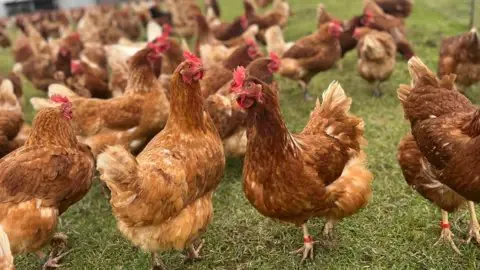
- Authorities urge backyard chicken owners to keep their birds in enclosed areas and ensure water and food sources are not contaminated by wild birds or animals.
- The Department of Natural Resources and Environment (NRE) Tasmania is taking proactive measures to contain the outbreak, with Premier Jeremy Rockliff assuring the public the state is “prepared” and “being proactive” in its response.
- Experts warn that Tasmania’s unique animal species, including penguins and other seabirds, are at risk from the highly pathogenic strain of avian influenza.
The discovery of a second case of H5 bird flu in Tasmania has sent shockwaves through the community, with authorities scrambling to contain the outbreak and protect the state’s unique wildlife and backyard chickens.
The latest case was confirmed in a crested tern on King Island, off the north-west coast of mainland Tasmania, just days after the first case was detected in a migratory brown skua at Rocky Cape.
The Department of Natural Resources and Environment (NRE) Tasmania collected the bird from the coast near Currie on Thursday, with testing overnight confirming the H5 strain.
The bird had been reported through the Emergency Animal Disease hotline, which has been inundated with calls in recent days. Late yesterday afternoon, another two crested terns from the same location were also reported, with test results expected on Saturday.
Crested terns are common around coastal areas in Australia, including Tasmania, and are known to migrate long distances, raising concerns about the potential spread of the disease.




If a member of the public spots a sick or dead bird, they are urged to avoid contact with the animal, record what they see and report it to the Emergency Animal Disease Hotline on 1800 675 888.
At a press conference on Friday afternoon in Hobart, Premier Jeremy Rockliff sought to reassure the public that the state is “prepared” and “being proactive” in its response to the outbreak.
“The first bird flu case was found by a Parks and Wildlife staffer undertaking proactive checks,” he said.
Gavin Pearce, Minister for Primary Industries and Water, urged owners of backyard chickens to take measures to keep the disease at bay, including keeping their birds in enclosed areas and ensuring water and food sources are not contaminated by wild birds or animals.
NRE’s Jason Jacobi said further testing of the first bird found infected in Tasmania had confirmed it was the same “highly pathogenic strain” of avian influenza as that on the mainland.
This strain has been linked to significant mortality rates in bird populations, and experts warn that Tasmania’s unique animal species, including penguins and other seabirds, are at risk.
Analysis: What This Means for AustraliaThe detection of H5 bird flu in Tasmania has significant implications for the state’s unique wildlife and backyard chicken owners.
The highly pathogenic strain of avian influenza poses a major threat to bird populations, and authorities are taking proactive measures to contain the outbreak. However, the risk of transmission to humans is low, according to health experts.
Security analysts say the outbreak highlights the importance of biosecurity measures in protecting Australia’s unique wildlife and agricultural industries. “The detection of H5 bird flu in Tasmania is a wake-up call for all Australians to take biosecurity seriously,” said one expert.
“We need to be vigilant in monitoring and reporting suspicious activity to prevent the spread of disease.”
Law enforcement insiders warn that the outbreak also raises concerns about the potential for the disease to spread to other parts of the country.
“We need to take a proactive approach to containing the outbreak and preventing the spread of disease,” said one insider. Industry observers believe the outbreak could have significant economic implications for Tasmania’s agricultural industries, particularly the poultry sector.
“The detection of H5 bird flu in Tasmania is a major concern for the state’s poultry industry,” said one observer.
“We need to take immediate action to contain the outbreak and prevent the spread of disease to prevent significant economic losses.”
Expert Commentary
Security experts say the outbreak highlights the importance of biosecurity measures in protecting Australia’s unique wildlife and agricultural industries.
“The detection of H5 bird flu in Tasmania is a wake-up call for all Australians to take biosecurity seriously,” said one expert. Law enforcement insiders warn that the outbreak raises concerns about the potential for the disease to spread to other parts of the country.
“We need to take a proactive approach to containing the outbreak and preventing the spread of disease,” said one insider. Industry observers believe the outbreak could have significant economic implications for Tasmania’s agricultural industries, particularly the poultry sector.
“The detection of H5 bird flu in Tasmania is a major concern for the state’s poultry industry,” said one observer.
As the situation continues to unfold, authorities are urging the public to remain vigilant and report any suspicious activity to the Emergency Animal Disease Hotline on 1800 675 888.
The discovery of a second case of H5 bird flu in Tasmania has sent shockwaves through the community, with authorities scrambling to contain the outbreak and protect the state’s unique wildlife and backyard chickens. The latest case was confirmed in a crested tern on King Island, off the north-west coast of mainland Tasmania, just days after the first case was detected in a migratory brown skua at Rocky Cape.
The Department of Natural Resources and Environment (NRE) Tasmania collected the bird from the coast near Currie on Thursday, with testing overnight confirming the H5 strain. The bird had been reported through the Emergency Animal Disease hotline, which has been inundated with calls in recent days. Late yesterday afternoon, another two crested terns from the same location were also reported, with test results expected on Saturday.
Crested terns are common around coastal areas in Australia, including Tasmania, and are known to migrate long distances, raising concerns about the potential spread of the disease. If a member of the public spots a sick or dead bird, they are urged to avoid contact with the animal, record what they see and report it to the Emergency Animal Disease Hotline on 1800 675 888.
At a press conference on Friday afternoon in Hobart, Premier Jeremy Rockliff sought to reassure the public that the state is “prepared” and “being proactive” in its response to the outbreak. “The first bird flu case was found by a Parks and Wildlife staffer undertaking proactive checks,” he said. Gavin Pearce, Minister for Primary Industries and Water, urged owners of backyard chickens to take measures to keep the disease at bay, including keeping their birds in enclosed areas and ensuring water and food sources are not contaminated by wild birds or animals.
NRE’s Jason Jacobi said further testing of the first bird found infected in Tasmania had confirmed it was the same “highly pathogenic strain” of avian influenza as that on the mainland. This strain has been linked to significant mortality rates in bird populations, and experts warn that Tasmania’s unique animal species, including penguins and other seabirds, are at risk.
The detection of H5 bird flu in Tasmania has significant implications for the state’s unique wildlife and backyard chicken owners. The highly pathogenic strain of avian influenza poses a major threat to bird populations, and authorities are taking proactive measures to contain the outbreak. However, the risk of transmission to humans is low, according to health experts.
Security analysts say the outbreak highlights the importance of biosecurity measures in protecting Australia’s unique wildlife and agricultural industries. “The detection of H5 bird flu in Tasmania is a wake-up call for all Australians to take biosecurity seriously,” said one expert. “We need to be vigilant in monitoring and reporting suspicious activity to prevent the spread of disease.”
Law enforcement insiders warn that the outbreak also raises concerns about the potential for the disease to spread to other parts of the country. “We need to take a proactive approach to containing the outbreak and preventing the spread of disease,” said one insider.
Industry observers believe the outbreak could have significant economic implications for Tasmania’s agricultural industries, particularly the poultry sector. “The detection of H5 bird flu in Tasmania is a major concern for the state’s poultry industry,” said one observer. “We need to take immediate action to contain the outbreak and prevent the spread of disease to prevent significant economic losses.”
Expert Commentary
Security experts say the outbreak highlights the importance of biosecurity measures in protecting Australia’s unique wildlife and agricultural industries. “The detection of H5 bird flu in Tasmania is a wake-up call for all Australians to take biosecurity seriously,” said one expert.
Law enforcement insiders warn that the outbreak raises concerns about the potential for the disease to spread to other parts of the country. “We need to take a proactive approach to containing the outbreak and preventing the spread of disease,” said one insider.
Industry observers believe the outbreak could have significant economic implications for Tasmania’s agricultural industries, particularly the poultry sector. “The detection of H5 bird flu in Tasmania is a major concern for the state’s poultry industry,” said one observer.
As the situation continues to unfold, authorities are urging the public to remain vigilant and report any suspicious activity to the Emergency Animal Disease Hotline on 1800 675 888.