Anthony Albanese’s Shocking Admission: ‘We Could Take Over New Zealand’ – But Is This a Joke Too Far for a Prime Minister?
- Prime Minister Anthony Albanese sparked controversy with his comments on comedian Nikki Osborne’s podcast, joking that Australia could ‘take over’ New Zealand under the Constitution.
- The remarks were made during a lighthearted conversation, but have raised questions about the Prime Minister’s judgment and diplomacy.
- Albanese has faced scrutiny for his comments, including a media storm over his remarks about Kylie Minogue and a hand gesture referencing melons gifted by the Japanese Prime Minister.
- The incident has sparked a debate about what is and isn’t acceptable for a Prime Minister to say in public, and whether Albanese’s comments crossed a line.
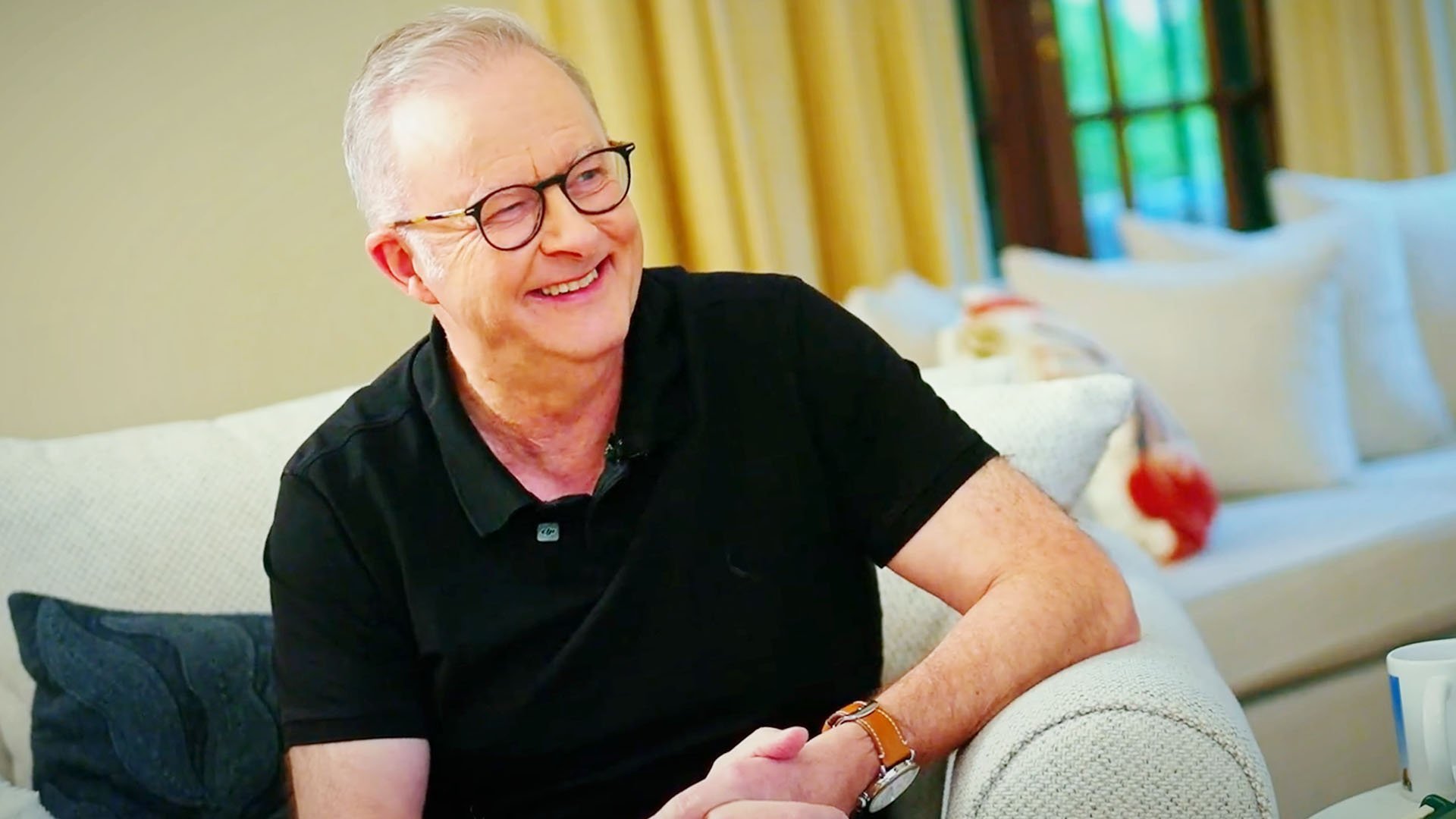
Anthony Albanese’s recent appearance on comedian Nikki Osborne’s podcast has left many questioning the Prime Minister’s judgment and diplomacy. During the lighthearted conversation, Albanese joked that Australia could ‘take over’ New Zealand under the Constitution, sparking controversy and raising eyebrows.
The remarks were made in a discussion about the Australian Constitution, which mentions New Zealand in the covering clauses defining the original Australian colonies. Albanese said, ‘We could take over New Zealand.
It’s still in our Constitution. We can just do it.
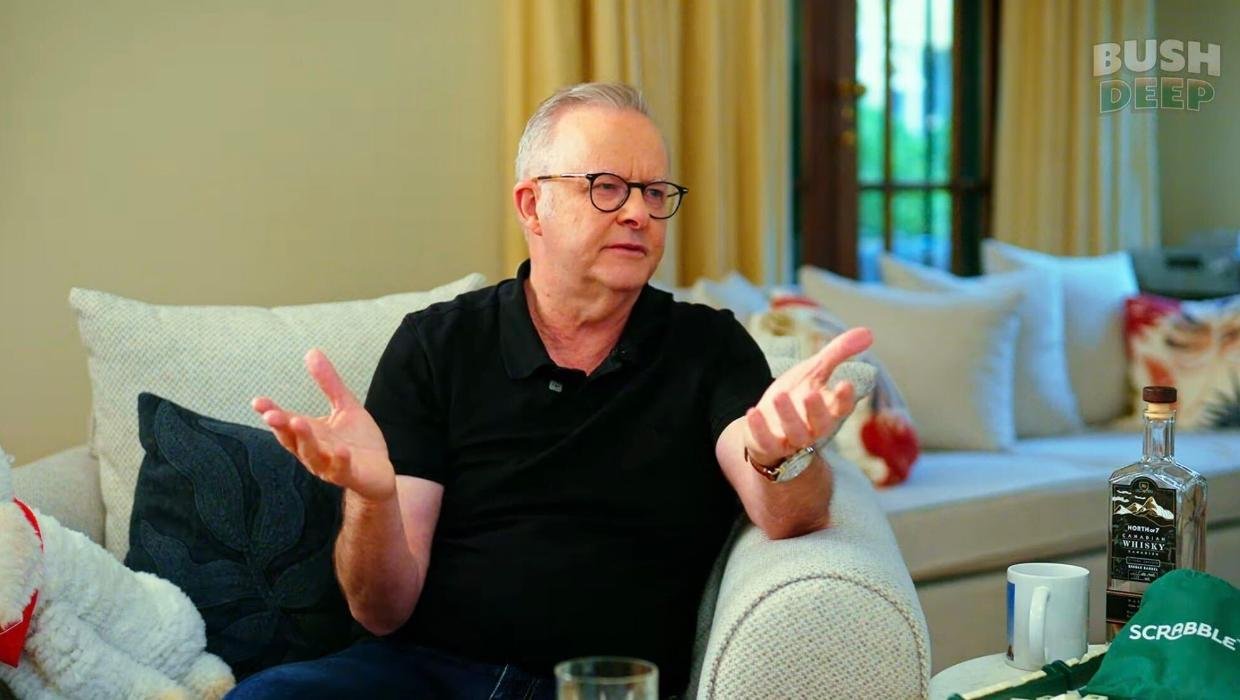
Sorry,’ before laughing off the comment. However, not everyone found the joke amusing.
Osborne, who interviewed the Prime Minister, said she was surprised that his comments about ‘shagging’ Kylie Minogue sparked greater controversy than his remarks about taking over New Zealand.


‘I didn’t realise that that would be controversial. No, I thought it was harmless,’ she told the Mark Bouris podcast.
However, the media storm that erupted after the release of Osborne’s podcast was intense, with many criticizing Albanese’s comments as unbecoming of a Prime Minister. Albanese later apologized ‘unequivocally’ for his remarks, but has continued to face scrutiny for his behavior.
The incident has sparked a debate about what is and isn’t acceptable for a Prime Minister to say in public. While some have defended Albanese’s right to make lighthearted comments, others have argued that his position demands a higher level of decorum.
Analysis: What This Means for Australia
Albanese’s comments have raised questions about his ability to navigate complex diplomatic situations and maintain a professional demeanor in public. As Prime Minister, he is not only a representative of the Australian government but also a symbol of the nation’s values and principles.
Security analysts say that the Prime Minister’s comments, while intended as a joke, could be perceived as insensitive and dismissive of New Zealand’s sovereignty. ‘It’s not just a matter of what he said, but how it was received,’ said one analyst.
‘The Prime Minister needs to be mindful of the impact his words can have on our relationships with other nations.’
Law enforcement insiders warn that the incident highlights the need for greater scrutiny of the Prime Minister’s public statements and behavior. ‘The Prime Minister is not just a politician, but a role model,’ said one insider.
‘He needs to set a high standard for himself and his office.’
Industry observers believe that the incident will have little impact on Albanese’s popularity, but may damage his reputation in the long term. ‘The Prime Minister’s comments were a mistake, but it’s not a fatal error,’ said one observer.
‘However, it does raise questions about his judgment and ability to manage complex situations.’
As the debate continues, one thing is clear: the Prime Minister’s comments have sparked a necessary conversation about the role of the Prime Minister and the standards we expect of them.
As we move forward, it’s essential that we consider the implications of our leaders’ words and actions, both at home and abroad.