
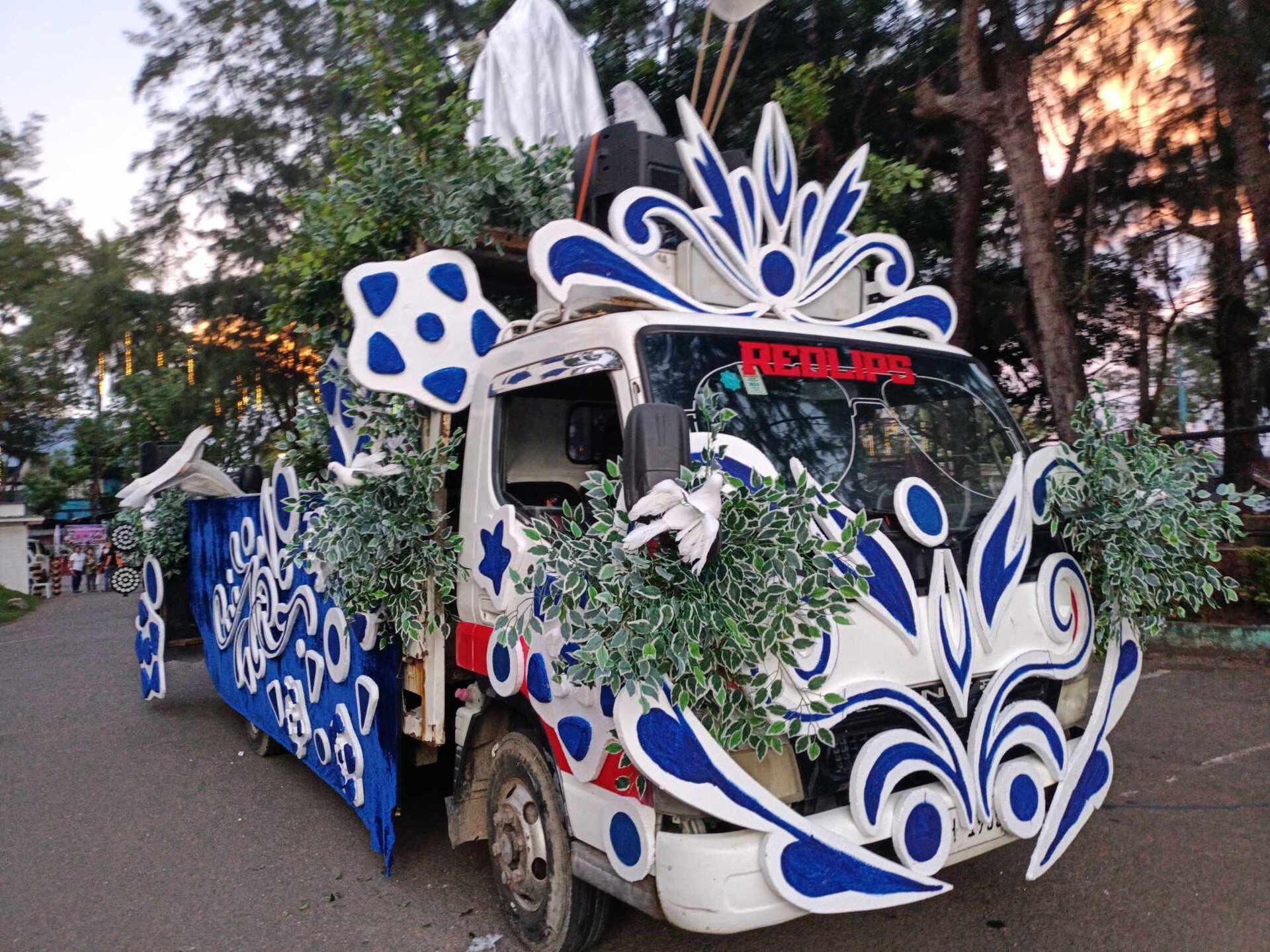
‘Bluey Police’ Strike Down Under: BBC Lawyers in London Force Beloved Award-Winning Float Out of Mount Gambier Christmas Parade, Leaving Family Business $8,000 Out of Pocket and a Town Fuming
- A family-owned South Australian real estate agency was hit with a cease-and-desist letter from the BBC’s Bluey Brand Protection Team just before its home town’s Christmas parade.
- The hand-built replica of the Heeler family’s famous yellow Queenslander, plus three professionally made costumes, cost more than $8,000. Now it must stay hidden from public view.
- The broadcaster refused to discuss licensing options and demanded every Bluey photo and marketing reference be scrubbed.
- A legal expert warns that even parents who stitch together homemade Bluey costumes are technically exposed under the law.
For two years, children lined Commercial Street in Mount Gambier and shrieked with delight as a miniature Queenslander rolled past, Bluey and her family waving from the verandah.
This year, that house never left the shed.
The order to keep it there didn’t come from the local council or the police. It came from London.
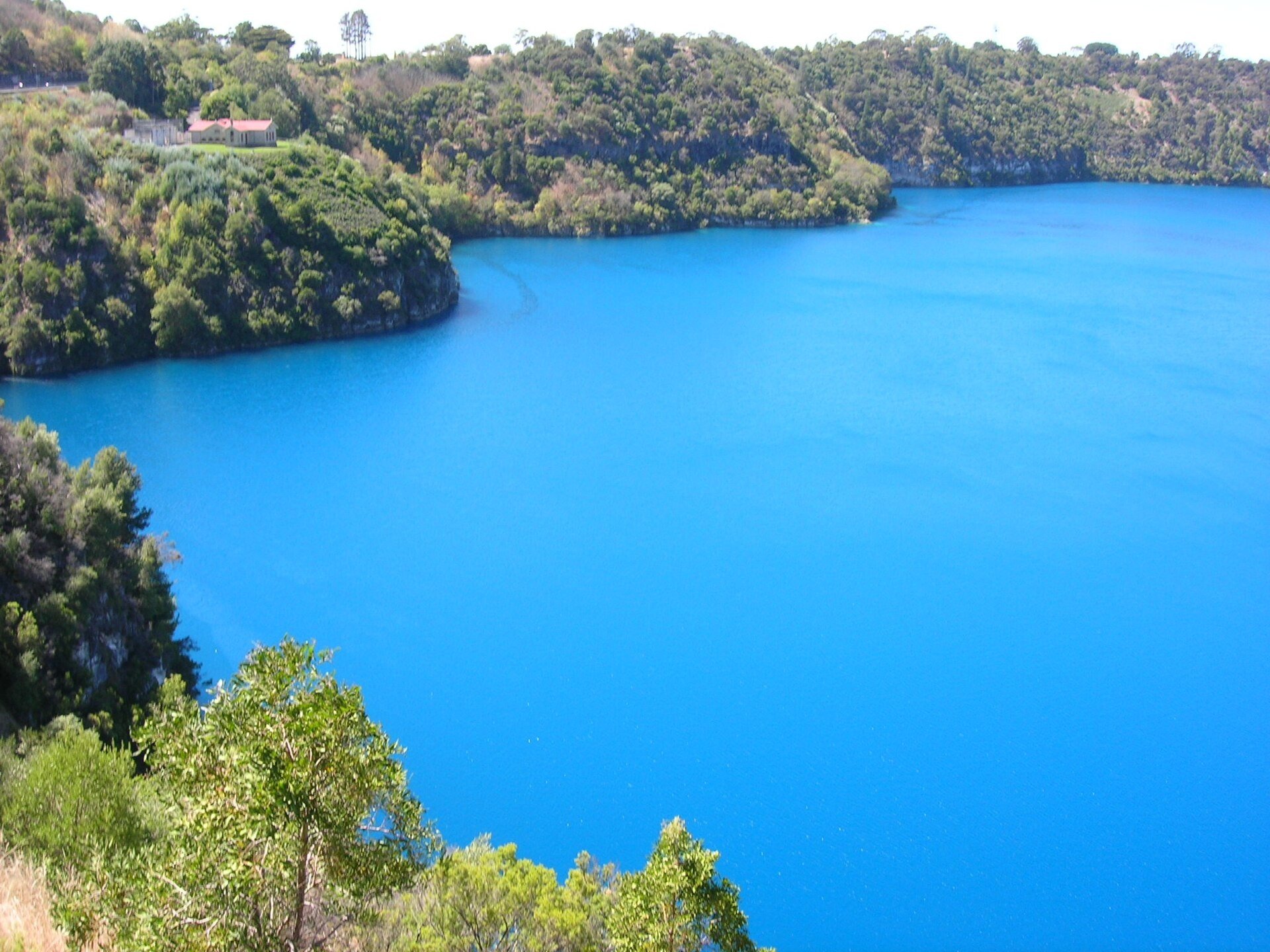
The Property Co.
SA, a family-run real estate agency in the state’s south-east, has confirmed that its prize-winning Bluey float was pulled from the city’s annual Christmas parade after a stern letter from the BBC’s Bluey Brand Protection Team, which alleged the display infringed the company’s intellectual property.
The letter arrived by email ahead of the weekend’s festivities.
It demanded the business halt the parade appearance and strip away every trace of the cartoon dog from its promotional material, including photographs, social media posts and any future events.
Principal and sales agent Bianca Taylor said the float, which first appeared in the parade in 2024, was meant to be making its third outing. The team had built the scaled-down version of the Heeler home entirely by hand.
Together with three professionally made character costumes, the project cost the business more than $8,000.
Ms Taylor said the response from locals over the past two years had been extraordinary. That made the letter all the harder to take.
She described the team as bitterly disappointed, but said the business would respect the request.
She tried to negotiate. Ms Taylor said she asked the broadcaster whether there was room for a broader conversation about alternatives, perhaps a pathway to doing it properly.
The answer was blunt: the BBC was not in a position to discuss licensing.
In a statement, the BBC confirmed that BBC Studios had issued the cease-and-desist letter over what it called an unlicensed Bluey event. The broadcaster insisted it was not trying to stop events from going ahead, only to have Bluey branding and references removed.
It argued that unofficial activity risks eroding the goodwill a show like Bluey has earned with families over many years. As custodian of the brand, the BBC said it would always act to limit any negative impact, especially where children’s programming is concerned.
To understand why a regional Christmas parade has ended up in the crosshairs of a global media giant, you need to understand just how valuable Bluey has become.
The series was created in Brisbane by Ludo Studio, which owns the intellectual property. BBC Studios handles worldwide distribution.
Since its debut on ABC Kids, the show has exploded into an international phenomenon, spawning merchandise, live shows and a licensing machine worth a fortune.
Every unofficial costume and homemade replica is, in the eyes of the rights holders, a potential crack in a carefully guarded empire.
It is also not the first time Bluey has stirred controversy in Mount Gambier.
Only last month, One Nation handed out colouring books at the local show that depicted the beloved character being held at knifepoint, sparking outrage among parents.
Analysis: What This Means for Australia
The Mount Gambier stoush lays bare an uncomfortable collision between global corporate power and the grassroots traditions that hold regional Australia together.
Christmas parades in country towns run almost entirely on volunteer effort and the generosity of local small business owners. Those businesses pour thousands of dollars into floats, often at a time when the cost of living is squeezing both their customers and their margins.
If community organisers now fear legal letters from overseas, the chilling effect could be significant. Fewer floats.
Smaller crowds. Thinner traditions.
There is also a sharper economic question. Bluey is a homegrown Queensland success story, funded in part by Australian public broadcasting.
Many locals bristle at the idea that a London office can dictate how an Australian community celebrates a character so deeply woven into the national identity.
Yet the law is clear.
Under Australian intellectual property rules, overseen by IP Australia, commercial use of a trademarked or copyrighted character without permission is a genuine legal risk, regardless of how well-intentioned it may be.
Dr Wellett Potter, a senior lecturer in copyright and intellectual property law at the University of New England, acknowledged it was a shame to see the float disappear from a community event.
But she said the BBC was entitled to protect its brand.
Dr Potter explained that the Bluey brand extends well beyond the name. It covers the character designs, drawings and visual elements, all of which are trademarked or protected by copyright.
She said the rights holders were focused on quality control and on preserving the trust families place in the character.
Dressing up as Bluey and using its imagery without a licence, she said, effectively means exercising someone else’s rights.
Her warning extends to ordinary families. Commercial use makes enforcement more likely, Dr Potter said, but rights holders hold identical rights either way.
A shop-bought licensed costume is generally fine. A homemade one, technically, is not, and a rights holder could pursue it.
Her advice to parade organisers is simple: get permission before using famous characters.
Industry observers believe the case will prompt councils across the country to tighten float guidelines ahead of future festive seasons. Small business advocates warn that many operators simply do not realise how exposed they are.
Ms Taylor said the hardest part has been the inconsistency. Other businesses and groups, she noted, continue to feature copyrighted characters without apparent consequence.
On parade day, she said, at least 30 people stopped her to talk about what had happened. It was overwhelming, she admitted, but heartening to feel the town’s support.
The disappointment, though, is shared. For Mount Gambier’s children, Christmas came this year without Bluey.