
‘We Were Very Close’: Chris Bowen Breaks His Silence After Global Climate Summit Collapses Over Just Four Words, Blaming Europe and Saudi Arabia as Opposition Demands His Resignation
- Climate Minister Chris Bowen insists he left “everything on the field” after marathon talks ran 44 hours past deadline before collapsing in bitter public recriminations
- The entire summit fell apart over the phrase “transition from fossil fuels”, wording the world had already agreed to in Dubai two years earlier
- Bowen reveals Europe told him “no deal is better than a bad deal” as Saudi Arabia dug in, and says Donald Trump’s exit from the process doomed the talks
- The Opposition wants Bowen gone, but he is unrepentant, defending the cost to taxpayers and declaring Australia has no regrets about “stepping up as a middle power”
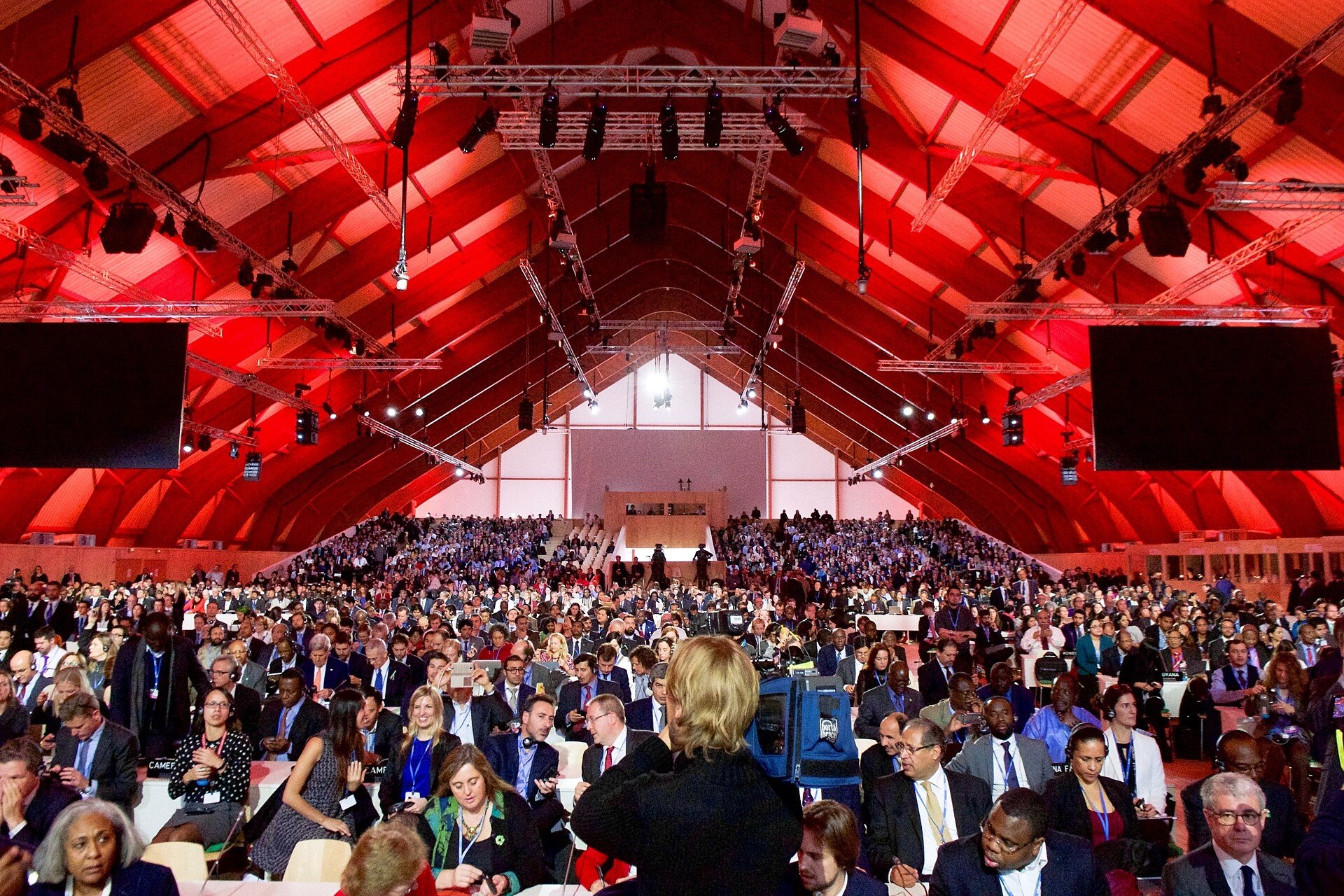
For nearly two full days after the clock ran out, the fate of the world’s climate diplomacy hung on four words.
And when it finally died, it died ugly, with delegations rising on the summit floor to trade blame in front of the world.
At the centre of the wreckage stood an Australian.
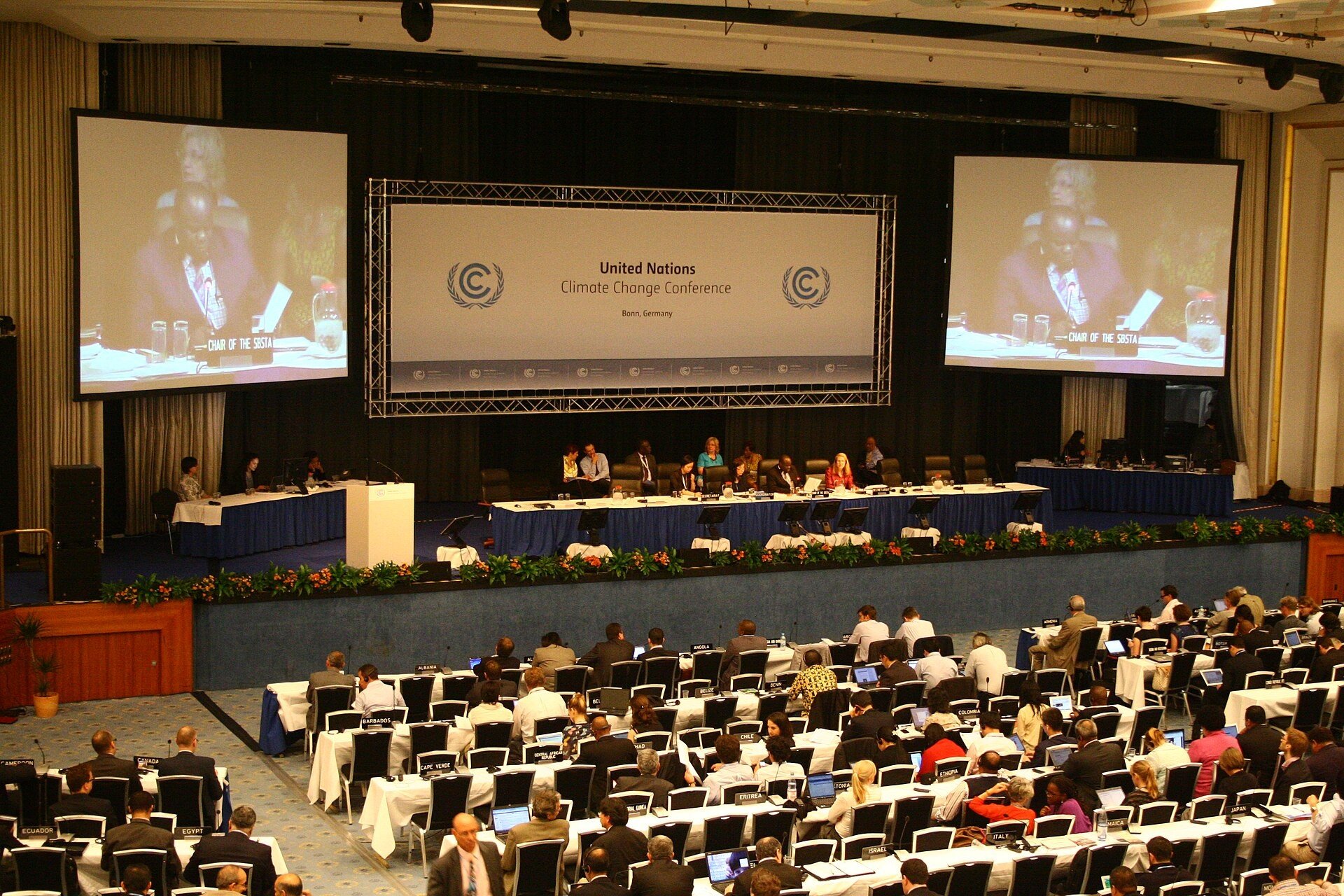
Chris Bowen, the federal Climate Change and Energy Minister, had been handed one of the toughest jobs in international politics: president of negotiations at the United Nations climate summit.
Now he is fighting on two fronts, defending his record abroad while the Opposition at home calls for his head.
Bowen is not apologising. Speaking after the collapse, he said the deal remained alive until the very last minute and that negotiators had come agonisingly close to a breakthrough.
The sticking point was deceptively small. The European Union demanded that the final text commit the world to a “transition from fossil fuels”.
Saudi Arabia, speaking for the powerful voting bloc known as the Arab Group, flatly refused to sign anything containing that language.
Neither side would move. Talks dragged on for 44 hours beyond their scheduled finish before imploding.
What infuriated Bowen most was that the fight was, in his view, entirely unnecessary.
The Conference of the Parties, the formal decision-making body under the United Nations Framework Convention on Climate Change, had already settled the question at its 2023 meeting in the United Arab Emirates.
In the final hours, Bowen says he pleaded with both camps, warning them they were going to war over something “entirely symbolic”.
The Dubai commitment had been a hard-won “miracle”, he told them, and making its repetition a test would wrongly signal that the world had abandoned it.
If that was the red line, he warned, the summit was finished.
He then tried a workaround. One late draft opened its preamble with a formal recollection of the UAE consensus “in its entirety”.
Riyadh accepted it because it did not breach their limits. Brussels rejected it as too weak.
According to Bowen, European negotiators told him that after a summer of wildfires and climate disasters, they had to be seen fighting for something, and that walking away was better than accepting a poor outcome.
Bowen says he agreed that no deal beats a bad one, but argued that a good deal beats a perfect one that can never be reached.
To understand why four words became a diplomatic minefield, you have to go back to 2023.
The Dubai agreement was a landmark, the first time a global climate summit explicitly named fossil fuels as a problem to be moved away from. Saudi Energy Minister Prince Abdulaziz was criticised for allowing that language through, and had little appetite to wear the same backlash twice.
Bowen says the 2023 breakthrough only happened because of heavy pressure from then US climate envoy John Kerry. That pressure has now vanished.
President Donald Trump’s decision to walk away from the climate process, Bowen argues, removed the one heavyweight capable of bending Saudi Arabia, and this summit paid the price.
The result is a process Bowen now describes himself as “pretty pessimistic” about.
Analysis: What This Means for Australia
The collapse lands squarely on Canberra’s doorstep. Australia volunteered for a central role in global climate change diplomacy, betting that a middle power could broker deals the giants could not.
That bet has now been publicly tested, and the headline result is failure.
Politically, it hands the Opposition a powerful weapon.
Calls for Bowen’s resignation will feed into a broader debate about energy prices and whether Labor’s climate agenda is delivering for households struggling with the cost of living.
Yet Bowen insists the domestic policy settings will not change.
He says the government always fine-tunes its programs at budgets and the Mid-Year Economic and Fiscal Outlook, but that the summit’s failure would not drive any shift on batteries, electric vehicles or renewable energy.
The economic stakes are significant.
Bowen’s core lament is that these summits exist to send a signal to boardrooms to keep investing in clean energy, and that this one sent the opposite message.
For Australian investors, miners and manufacturers making long-term bets, uncertainty is expensive.
There is also a geopolitical dimension. With Washington absent, the balance of power in climate talks has shifted, leaving oil-producing states emboldened and Europe increasingly uncompromising.
Australia, caught between major trading partners and resource customers, must navigate that divide carefully.
Bowen is pointing to tangible wins: 44 of the 60 mandated negotiating items were closed under his watch, and Australia signed significant agreements with South Korea and China.
He says the nation’s international standing has improved, justifying the cost to taxpayers.
Policy observers say the episode exposes the brutal limits of consensus-based diplomacy, where a single bloc can sink the entire process over symbolic wording. Many believe the absence of American pressure will make future summits even harder to land.
Energy industry insiders, however, broadly echo Bowen’s argument that markets are already moving regardless of what diplomats sign. Falling costs for solar, wind and batteries, combined with rising fossil fuel costs, are reshaping investment decisions in ways no communique can reverse.
Political analysts warn the fallout at home could linger.
The Opposition will frame the collapse as an expensive vanity exercise, while the government will argue Australia earned credibility by taking on a job few others wanted.
Data from bodies such as the Australian Energy Market Operator and the Clean Energy Regulator will likely become fresh ammunition on both sides.
For his part, Bowen remains defiant. He maintains the shift away from fossil fuels is “irreversible”, whatever happens in negotiating rooms.
He says he does not regret having a go, does not regret leaving nothing on the field, and would not walk away from Australia taking on tough international jobs.
Whether voters see that as leadership or folly may decide how long he keeps his own.