Iranian Women’s Football Team Members Defy Regime’s ‘Traitor’ Label, Seek Asylum in Australia – But Three Return Home Amid Fears for Their Safety
- Three Iranian women’s football team members have returned to Iran despite being granted humanitarian visas to stay in Australia
- The trio had sought asylum after being labelled “traitors” by the Iranian state for not singing the national anthem at a tournament in Australia
- Fears for their safety sparked a desperate bid for protection, with seven team members originally seeking asylum – but four have now chosen to return to Iran
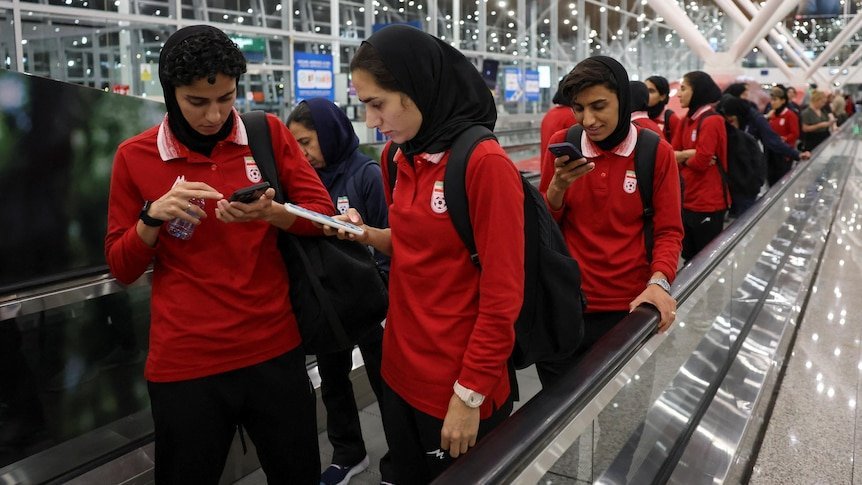
In a stunning turn of events, three members of the Iranian women’s football team have defied the regime’s “traitor” label and returned to Iran, despite being granted humanitarian visas to stay in Australia. The dramatic decision has sparked concerns for their safety, as they had originally sought asylum after being labelled “traitors” by the Iranian state for not singing the national anthem at a tournament in Australia.
The Iranian women’s football team had been competing in the Asian Women’s Cup tournament on the Gold Coast when the controversy erupted. Seven members of the team, including players and staff, had sought asylum in Australia, fearing persecution if they returned home. However, three of them have now chosen to return to Iran, leaving four others who have decided to stay in Australia.
The three team members, including players Mona Hamoudi and Zahra Sarbali, as well as a team support staff member, left Australia last night for Kuala Lumpur, where they met up with other team members who are returning to Tehran. Home Affairs Minister Tony Burke confirmed the trio’s decision, stating that they had been given repeated opportunities to discuss their options but had chosen to rejoin their team and return to Iran.
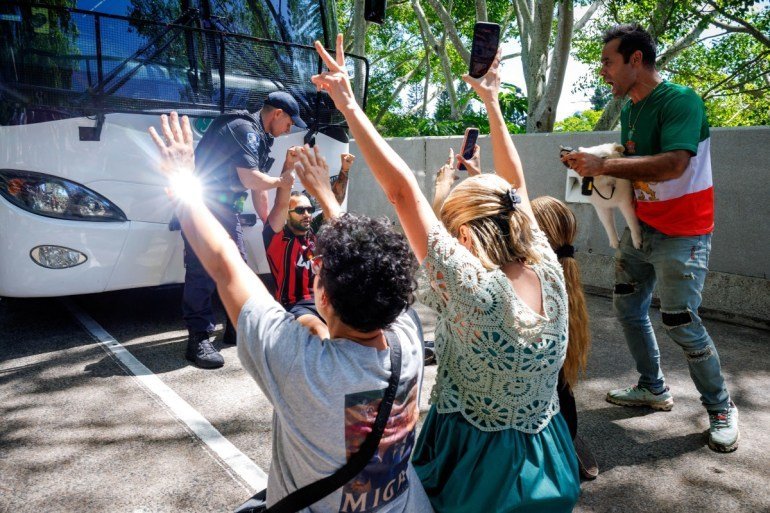
The news has sparked concerns about the safety of the returning team members, with Federal Treasurer Jim Chalmers expressing worries about their well-being. “I am worried about them. I can only imagine the pressure that they felt and how difficult these sorts of decisions would be for them,” he told Channel Seven.
Analysis: What This Means for Australia



The decision of the three Iranian women’s football team members to return to Iran raises serious questions about the safety of those who dare to defy the regime. The fact that they were labelled “traitors” by the Iranian state for not singing the national anthem highlights the harsh realities of living under a repressive regime. The Australian government’s decision to grant them humanitarian visas was a crucial step in protecting their human rights, but the fact that they have chosen to return to Iran raises concerns about the effectiveness of these measures.
Security analysts say that the incident highlights the need for Australia to take a stronger stance against repressive regimes and to provide greater support to those who seek asylum. “This incident shows that even in Australia, we are not immune to the reach of repressive regimes,” said one security expert. “We need to do more to protect those who seek our help and to stand up to regimes that persecute their own citizens.”
Law enforcement insiders warn that the incident also highlights the need for greater vigilance in monitoring the activities of foreign regimes on Australian soil. “We need to be more proactive in identifying and addressing potential security threats, particularly when it comes to repressive regimes,” said one law enforcement official.
The incident has also sparked a wider debate about Australia’s role in protecting human rights and promoting democracy around the world. Industry observers believe that Australia needs to take a more proactive role in promoting human rights and democracy, particularly in regions where repressive regimes hold sway.