Petrol Panic: Australia Stockpiles Billions of Litres as Motorists Grapple with Soaring Prices and Supply Crisis
- Fuel shortages and price hikes spark chaos across the country, with regional areas worst hit
- Government releases 762 million litres of petrol and diesel from emergency reserves to ease crisis
- Experts warn of “unacceptable” shortages and price gouging as global tensions escalate
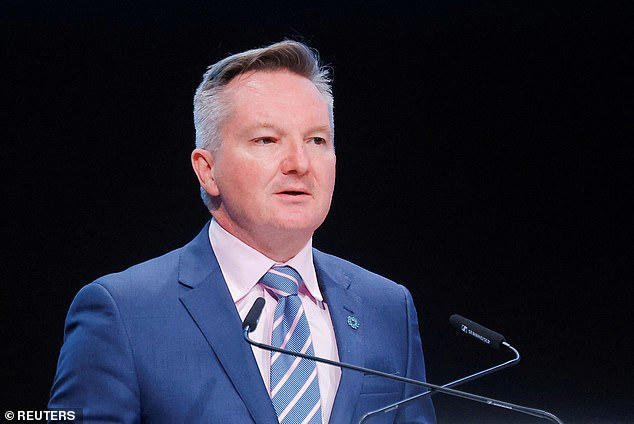
Australia has amassed a staggering 1.6 billion litres of petrol, enough to last 37 days, as the nation teeters on the brink of a fuel crisis. Energy Minister Chris Bowen announced the stockpile on Saturday, seeking to reassure motorists that the country is “as prepared as possible” to weather the storm. However, the reality on the ground tells a different story, with frustrated drivers facing skyrocketing prices and shortages at the bowser.
The crisis has been exacerbated by the US-Israeli-led war in Iran, which has fanned fears of fuel shortages and sparked regional supply issues. The global shortage has led to price hikes, with motorists in rural and regional areas bearing the brunt of the crisis. The government has moved to release up to 762 million litres of petrol and diesel from emergency reserves to meet demand, but experts warn that this is only a temporary solution.
At the heart of the crisis is a massive explosion in demand, with consumption up 100 per cent at every terminal across Australia. This has seen shortages for farmers, regional communities, and essential services, prompting the government to convene an urgent roundtable to address concerns. Representatives from transport and logistics, fuel, agriculture, local councils, mining, unions, and consumer protection groups will meet with government officials to find a solution to the crisis.
NSW Premier Chris Minns has urged restraint at the bowsers, warning that global events are putting pressure on fuel markets around the world. “It’s important people don’t buy more fuel at the bowser than they need,” he said. But for many, the damage is already done. Westlink Petroleum managing director Danny Kreutzer, whose Queensland-based company services 500 businesses, says his customers are “angry” and “frustrated” by the shortages.
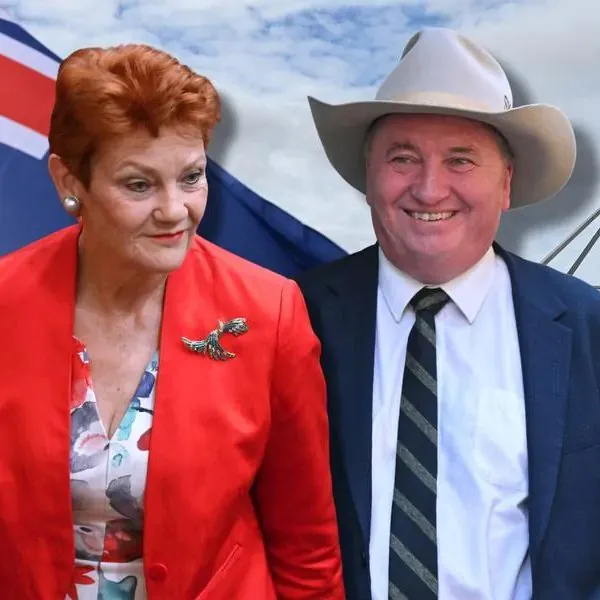
One Nation MP Barnaby Joyce has raised the prospect of city rationing to help address the issue, warning that it is a “crisis” that requires drastic action. “Trucks have to be kept moving to ensure food remains on supermarket shelves and other vital services are maintained,” he said. The consumer watchdog has also stepped in, telling fuel retailers to respond to claims they dramatically hiked petrol and diesel prices soon after the war broke out.
Analysis: What This Means for Australia
The fuel crisis has significant implications for national security, law enforcement, and the economy. With the global shortage showing no signs of abating, Australia’s stockpile is a temporary solution at best. The government’s decision to relax quality standards for the next 60 days may provide some relief, but it also raises concerns about the long-term impact on the environment and public health. As the crisis deepens, one thing is clear: Australia’s fuel security is under threat, and it’s time for drastic action.
Security analysts say the crisis highlights the country’s vulnerability to global events, warning that the situation could escalate further if Iran continues to close key oil corridors. “This is a wake-up call for Australia,” one expert said. “We need to diversify our fuel sources and invest in renewable energy to reduce our reliance on imported fuel.”
Law enforcement insiders warn that the crisis could lead to a surge in fuel theft and smuggling, as desperate motorists turn to illegal means to fill their tanks. “We’re already seeing reports of fuel theft and price gouging,” one insider said. “It’s a ticking time bomb.”
Industry observers believe the crisis could have a devastating impact on the economy, particularly in rural and regional areas. “This is a disaster for farmers and small businesses,” one observer said. “They rely on fuel to operate, and if they can’t get it, they’ll go under.”