Iranian Footballers’ Shocking U-Turn: Three More Players Abandon Asylum in Australia Amid Fears of Retaliation
- Three Iranian women’s football players granted asylum in Australia have reversed their decision and will return to Iran, sparking concerns about their safety.
- The players had been given humanitarian visas after refusing to sing the Iranian national anthem, sparking fears of retaliation from the Islamic regime.
- Iranian media has mocked the decision, labelling it a “disgraceful failure” and claiming the players are returning to the “warm embrace of their family and homeland.”
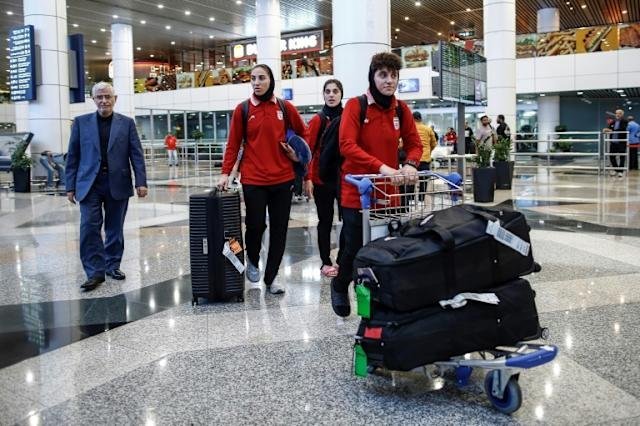
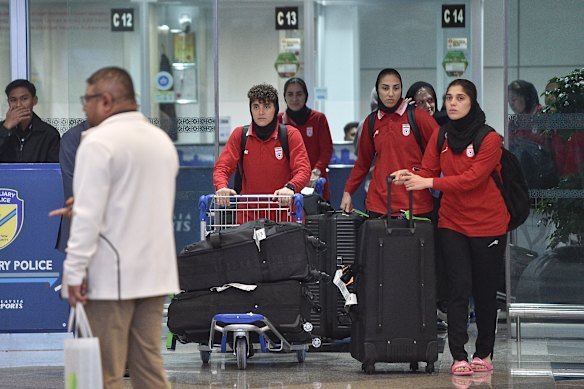
In a stunning turn of events, three more Iranian women’s football players who were granted asylum in Australia have abandoned their bid for safety and will return to Iran, despite initial fears for their safety. The decision has sparked concerns about the pressure they may have faced from the Iranian regime and the potential consequences they may face upon their return.
The three players, identified as Mona Hamoudi, Zahra Sarbali, and Zahra Meshkinkar, were among six team members and a support staffer who were granted humanitarian visas by the Australian government after they refused to sing the Iranian national anthem before a Women’s Asian Cup game on the Gold Coast. The team was subsequently branded “traitors” by the Islamic regime, sparking concerns about their safety.
Home Affairs Minister Tony Burke said the three players had been given repeated chances to discuss their options, but ultimately decided to return to Iran. “The Australian government has done everything we could to make sure these women were provided with the chance for a safe future in Australia,” Burke said in a statement. “Australians should be proud that it was in our country that these women experienced a nation presenting them with genuine choices and interacted with authorities seeking to help them.”
However, Iranian media has taken a different tone, labelling the decision a “disgraceful failure” and claiming the players are returning to the “warm embrace of their family and homeland.” The Tasnim News Agency, which is linked to the Iranian regime, said the players’ decision was a “failure for Trump” and a victory for the “national spirit and patriotism” of the Iranian women’s national football team.
But experts warn that the players may have faced immense pressure from the Iranian regime, which is known to target family members back home to influence its citizens abroad. “At the end of the day, it’s what’s in the minds of these young women who are in an impossible situation,” said political scientist Simon Jackman. “You cannot imagine what that must be like for a young woman in a country a long way from home, just immense pressure.”



Analysis: What This Means for Australia
The decision of the three Iranian football players to return to Iran raises serious concerns about the safety of asylum seekers in Australia and the pressure they may face from foreign regimes. It also highlights the challenges faced by the Australian government in balancing its humanitarian obligations with the need to protect its citizens from potential security threats.
Security analysts say the incident has implications for national security, as it may embolden other countries to target Australian-based asylum seekers. “This could set a dangerous precedent, where foreign governments feel they can influence the decisions of asylum seekers in Australia,” said one analyst. “It’s a wake-up call for the Australian government to review its policies and ensure that it’s doing everything it can to protect those who seek safety on our shores.”
Law enforcement insiders also warn that the incident highlights the need for greater cooperation between governments to combat people-smuggling and human trafficking. “This is a global problem that requires a global response,” said one insider. “We need to work together to ensure that those who seek to exploit vulnerable individuals are brought to justice.”