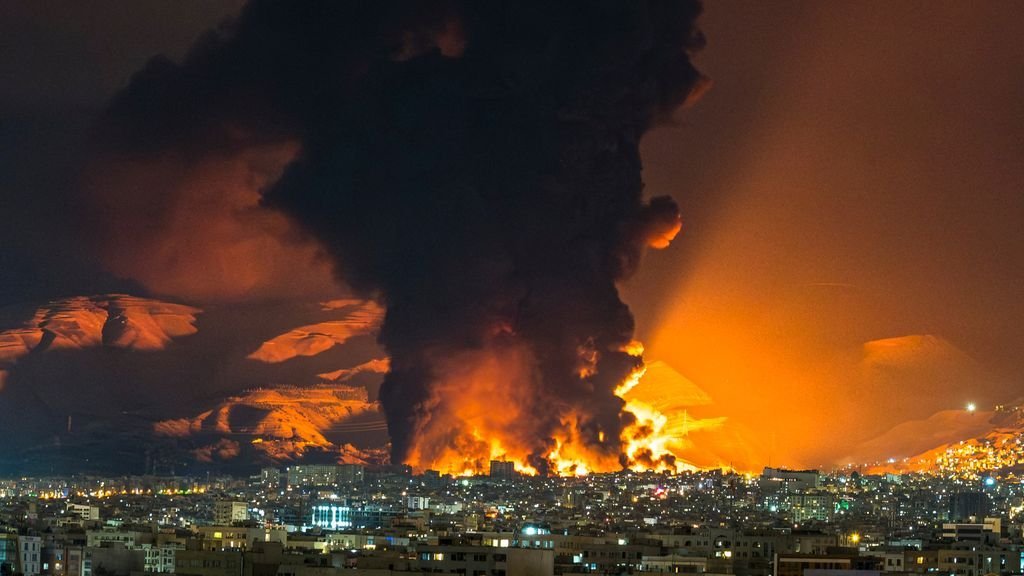
Trump’s Iran Exit Ramp: But Will Tehran Play Ball?
- Donald Trump claims the war with Iran is “pretty much complete” and will end “very soon”
- But Iran’s new Supreme Leader, Motjaba Khamenei, vows “vengeance” for recent attacks and sets out its own demands for ending the conflict
- The US and Israel’s aims may not align, with Jerusalem seeking a more comprehensive defeat of Iran than Washington
As the world waits with bated breath for the conflict between the US and Iran to come to an end, Donald Trump has declared that the war is “pretty much complete” and will be over “very soon”. But can he really just flick a switch and bring hostilities to a close? The answer, it seems, is not that simple.
The situation is complicated by the fact that Iran, Israel, and the US all have different goals and motivations. While Trump may be keen to declare victory and move on, Iran’s new Supreme Leader, Motjaba Khamenei, is vowing “vengeance” for the recent attacks and setting out its own demands for ending the conflict. And then there’s Israel, which sees Tehran as an existential threat and may not be willing to let up the pressure just yet.
Trump’s assertion that the war is almost over is vague, to say the least. At times, the aim has been the “unconditional surrender” of the regime, but that no longer seems to be the case. The White House has settled on more limited goals, including the destruction of Tehran’s missiles, the annihilation of its navy, and the halting of its nuclear program. While the US and Israel have made progress on these fronts, it’s clear that there is still much work to be done.
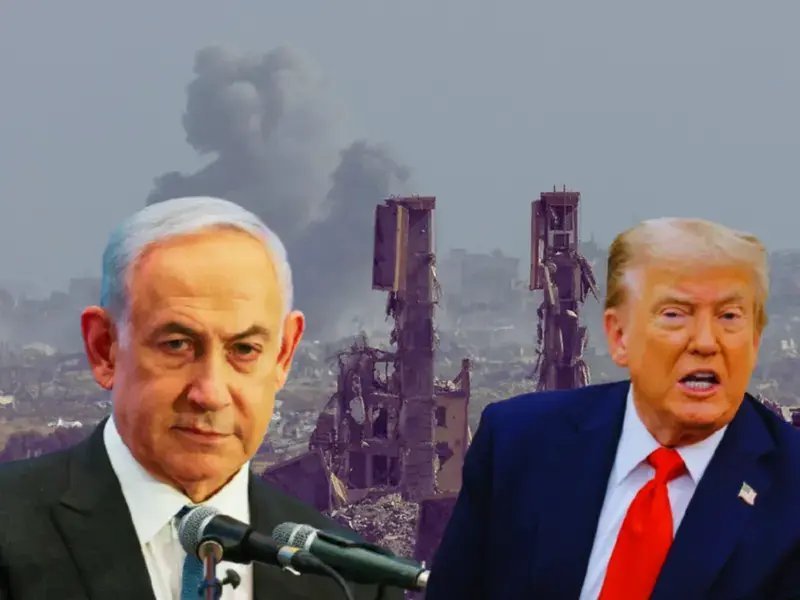
The problem is that Iran is not going to give up easily. Its theocratic regime believes it is fighting a holy war against the infidel, and it may feel it has to keep fighting, even if it means more bloodshed and destruction. And then there’s the issue of the Strait of Hormuz, which Iran has threatened to block, causing global financial chaos.
Analysis: What This Means for Australia



The ongoing conflict between the US and Iran has significant implications for Australia, particularly when it comes to national security and economic stability. If the war drags on, it could lead to higher petrol prices, which would have a ripple effect on the entire economy. And if Iran were to block the Strait of Hormuz, it could have a devastating impact on global trade, including Australia’s.
Security analysts say that the situation is fraught with danger, not just for the US and Iran, but for the entire region. “The stakes are high, and the risks are real,” said one expert. “If the conflict escalates, it could draw in other countries, including Australia, and lead to a wider war.”
Law enforcement insiders warn that the situation is also a major concern for Australia’s national security, particularly when it comes to the threat of terrorism. “Iran has a history of supporting terrorist groups, and if it feels threatened, it may lash out,” said one source. “We need to be vigilant and prepared for any eventuality.”
Industry observers believe that the conflict could also have a significant impact on Australia’s economy, particularly if it leads to higher petrol prices and disruptions to global trade. “The effects would be felt across the board, from farmers to manufacturers to consumers,” said one expert. “It’s a situation that requires careful monitoring and planning.”
In the end, it’s clear that the conflict between the US and Iran is far from over. While Trump may want to declare victory and move on, the reality is that there are still many obstacles to overcome before a lasting peace can be achieved. And for Australia, the implications are significant, from national security to economic stability. One thing is certain: the world will be watching closely as this situation unfolds.