Victoria’s $125 Million Mea Culpa: State Government Settles with Thousands of Businesses Devastated by Hotel Quarantine Fiasco
- Thousands of Victorian businesses to receive compensation after government settles class action over hotel quarantine failures
- $125 million payout agreed on eve of trial, bringing an end to years of “hard-fought litigation”
- Alleged negligence in hotel quarantine program led to Victoria’s second lockdown, causing widespread economic devastation
- Government’s decision to settle avoids protracted legal proceedings, but raises questions about accountability and transparency
The Victorian government has made a stunning admission of guilt, agreeing to a $125 million settlement with thousands of businesses devastated by the state’s hotel quarantine fiasco in 2020.
The class action, launched on behalf of businesses shut down during the state’s second wave of coronavirus, alleged negligence in the hotel quarantine program led to the spread of COVID-19 and subsequent lockdowns.
The settlement, agreed to on the eve of the trial, brings an end to years of “hard-fought litigation” and marks a significant victory for the 16,000 businesses that registered for the class action.
However, the road to recovery is far from over, with each business still needing to be assessed for eligibility and the settlement yet to be approved by the Supreme Court of Victoria.
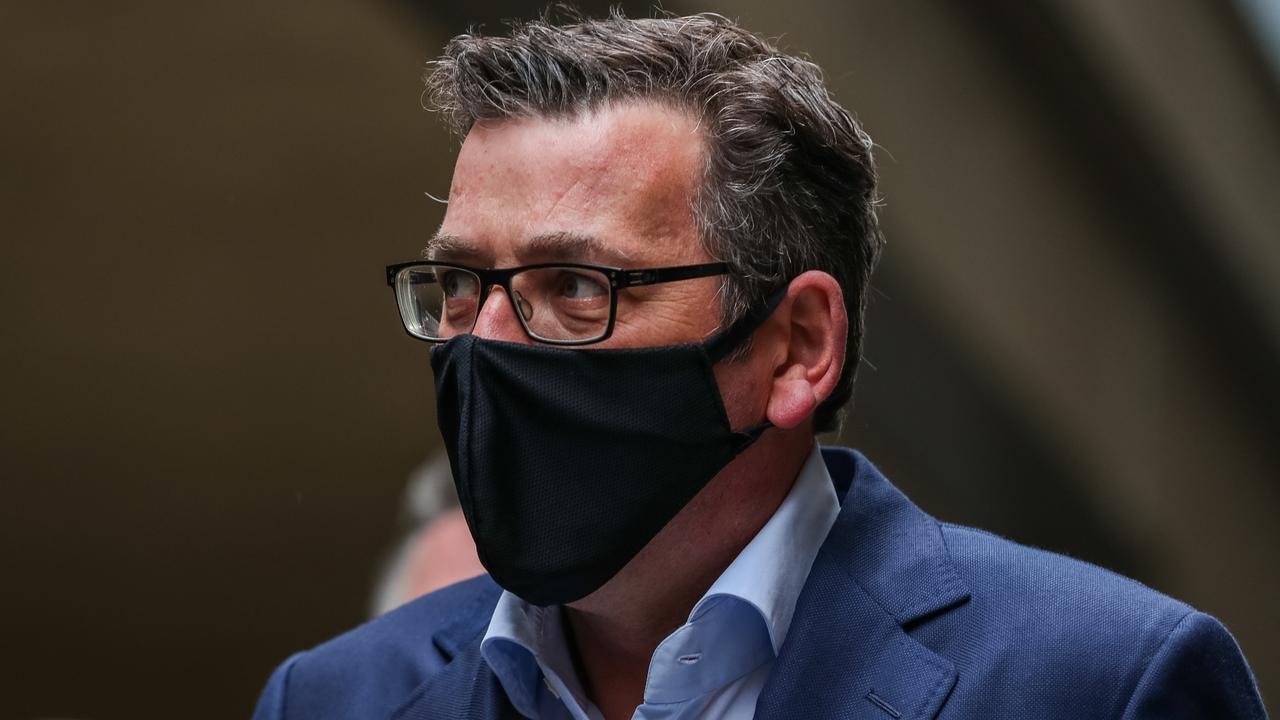
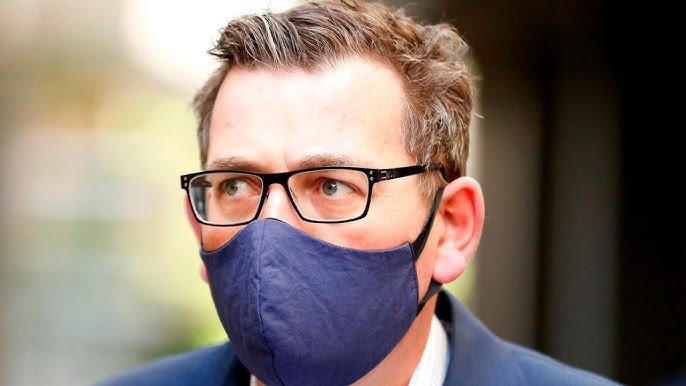
The legal action was taken against the State of Victoria, including former health minister Jenny Mikakos and former jobs and trade minister Martin Pakula, as well as key public servants in the Health, Human Services, and Jobs departments.

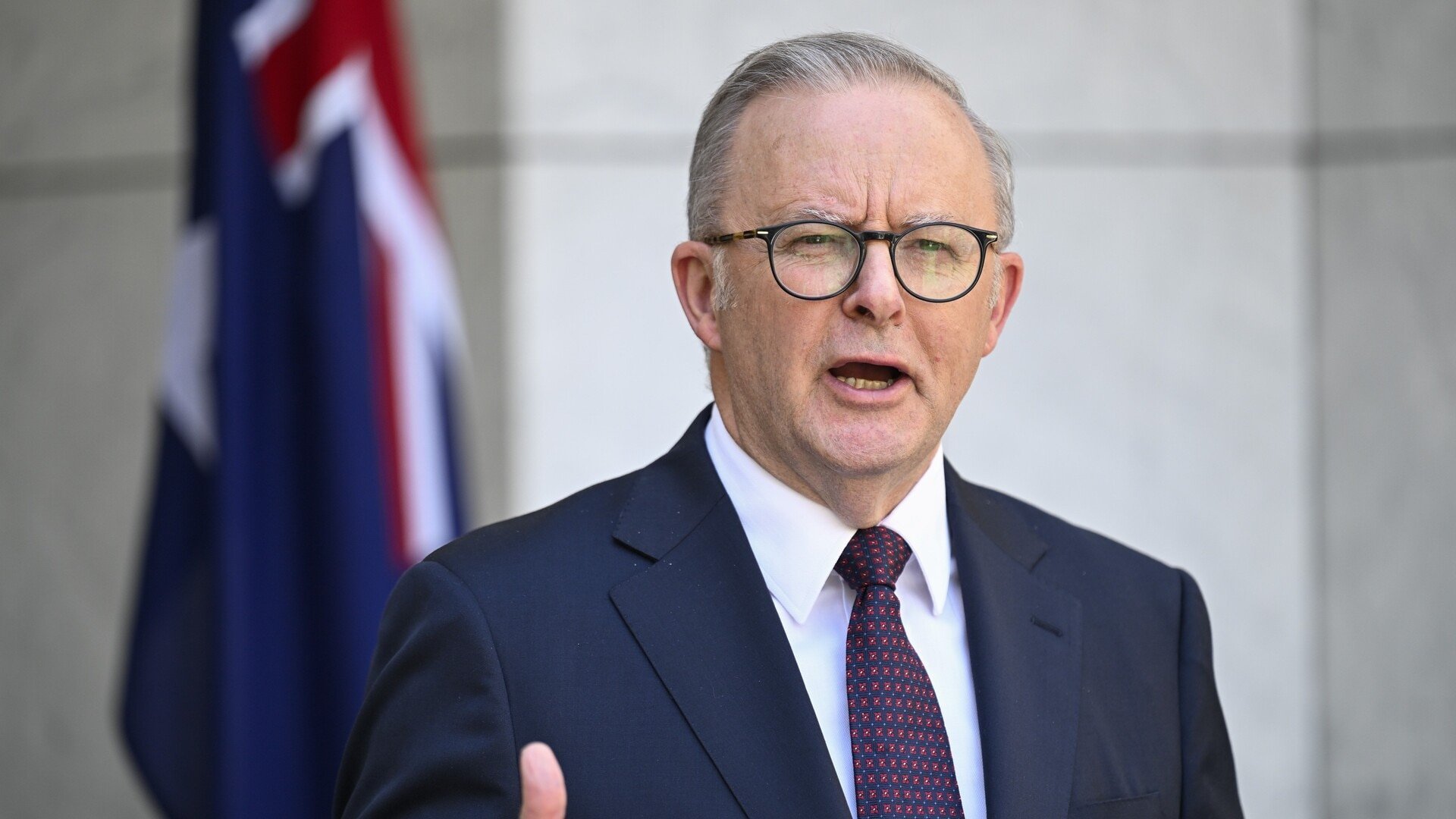

The claim alleged that negligence in the hotel quarantine program allowed COVID-19 to escape, causing Victoria’s second lockdown from July 2, 2020.
The hotel quarantine program was supposed to be a safeguard against the spread of COVID-19, but it ultimately became a breeding ground for the virus.
The failures of the program led to widespread economic devastation, with thousands of businesses forced to shut their doors and countless livelihoods destroyed.
Damian Scattini, from legal firm Quinn Emanuel Urquhart and Sullivan, which handled the class action, described the settlement as a “significant outcome for eligible businesses”. “July to October 2020 was an extraordinarily difficult period for Victorian retail businesses,” he said.
“This settlement brings to an end years of hard-fought litigation and provides a measure of justice for those affected.”
However, the settlement also raises questions about accountability and transparency within the Victorian government. Why did it take a class action to force the government to take responsibility for its actions?
And what measures have been put in place to ensure such a disaster never happens again?
Analysis: What This Means for Australia
The settlement has significant implications for national security and law enforcement in Australia. It highlights the need for robust systems and protocols to be in place to prevent the spread of infectious diseases.
The failure of the hotel quarantine program in Victoria was a catastrophic failure of government policy, and it is essential that lessons are learned from this experience.
Security analysts say that the incident has exposed weaknesses in Australia’s pandemic preparedness and response. “The Victorian government’s failure to contain the outbreak has put the entire country at risk,” said one expert.
“It is crucial that we review our protocols and procedures to ensure that we are better equipped to handle future pandemics.”
The economic consequences of the settlement are also significant.
The $125 million payout will be a significant burden on the Victorian government, and it is likely to have flow-on effects for the state’s economy.
Industry observers believe that the settlement will lead to increased scrutiny of government spending and a renewed focus on accountability.
As the dust settles on this settlement, one thing is clear: the Victorian government’s handling of the hotel quarantine program was a catastrophic failure. The question now is what lessons will be learned from this experience, and how will the government ensure that such a disaster never happens again?