Australia Braces for Fuel Rationing as Middle East War Disrupts Global Oil Supply
- Experts warn Australia must prepare for fuel rationing if the war in the Middle East is not resolved quickly
- Panic buying exacerbates the problem, putting pressure on fuel stockpiles
- Australia’s fuel security is under scrutiny, with only two oil refineries remaining in the country
Australia is on high alert for the possibility of fuel rationing as the war in the Middle East continues to disrupt the global oil supply. Experts are warning that the country must prepare for the worst-case scenario, as the conflict shows no signs of abating.
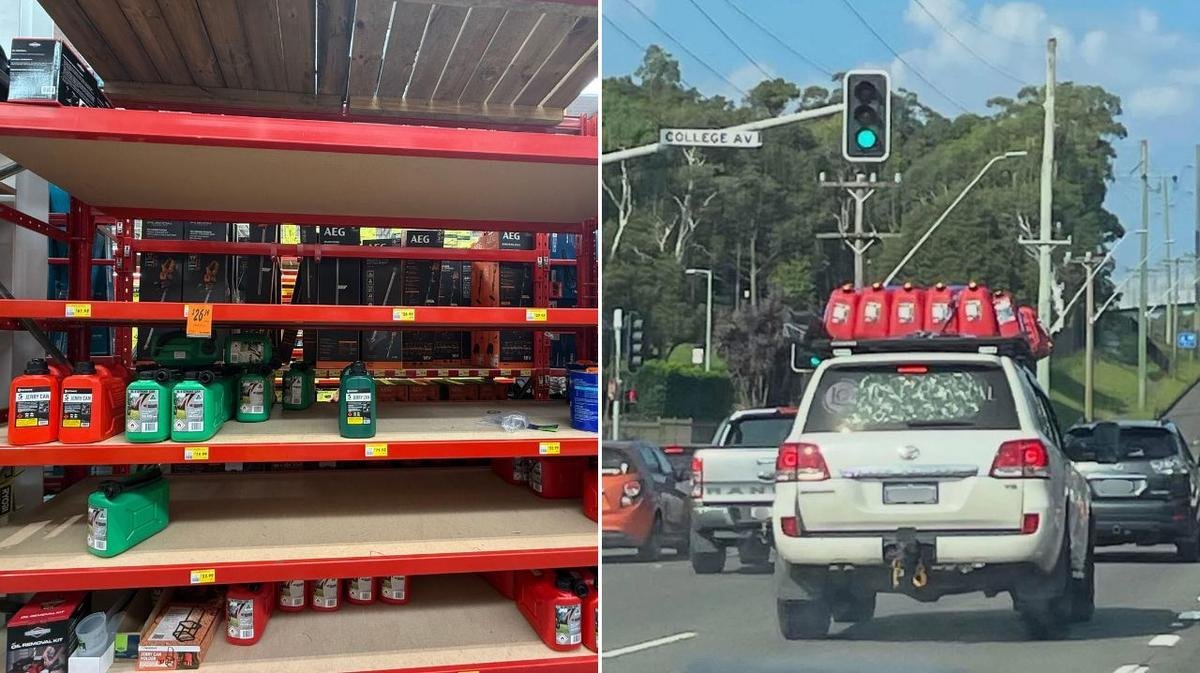
Motorists are being urged to stop panic buying, as the surge in demand is putting pressure on fuel stockpiles. Peter Anderson, director of APCO, which operates 30 petrol and service stations in Victoria, says that panic buying is making the problem worse.
“Sales have increased by about 40 per cent, and it’s going to put a real pressure on our stock that we hold in the ground,” he says.
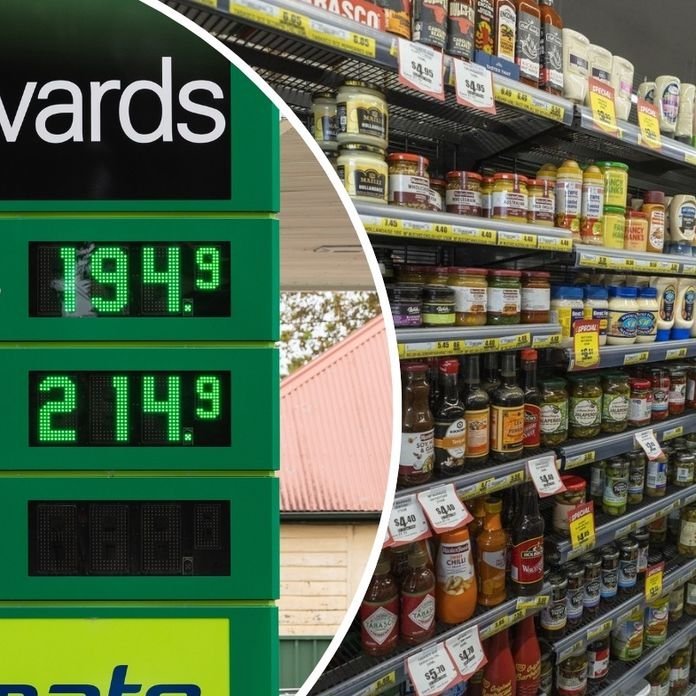
The Middle East war has created the largest supply disruption in the history of the global oil market, with the International Energy Agency (IEA) releasing 400 million barrels of oil from its emergency reserves to try to stabilise global oil prices.
However, experts say that this is only a short-term solution, and that Australia will need to adapt to a new reality of reduced fuel supplies.



Professor Samantha Hepburn, an energy policy expert at Deakin Law School, says that fuel rationing is a real possibility if the war is prolonged. “I do see us getting to rationing, yes.
Our short-term buffer will obviously not survive, and we’re going to have to immediately switch to rationing,” she warns.
Australia’s fuel security is also under scrutiny, with only two oil refineries remaining in the country.
Retired air vice-marshal John Blackburn says that politicians have failed to plan for a situation like this, and that the country’s reliance on imported fuel is a major concern.
“We import 90 per cent of our fuel, and we’re one of the biggest energy exporters on the planet. It’s a ridiculous situation,” he says.
Analysis: What This Means for Australia
The potential for fuel rationing is a major concern for Australia, with far-reaching implications for the economy and daily life. The country’s transport, industry, and emergency services rely heavily on diesel, which would be the first fuel to see restrictions on purchasing.
This could have a ripple effect throughout the economy, leading to increased inflation and interest rates.
Experts say that Australians will need to adapt their behaviour and reduce their fuel consumption if the war is prolonged. This could involve reducing non-essential travel, carpooling, and using public transport.
The government will also need to take steps to ensure that essential services, such as emergency responders and farmers, have access to fuel.
In the meantime, motorists are being urged to stop panic buying and return to their normal buying habits to reduce stress on the system.
As Peter Khoury, NRMA’s head of media, says, “We want to ensure that at the terminal, one way or another, we’re getting diesel out to regional service stations and to farming communities, because at the end of the day, we know there’s enough fuel.”
But until the war ends, Australians will need to be prepared for the possibility of fuel rationing and the economic and social implications that come with it.