Australia on High Alert: Treasurer Fights Off Recession Fears as Interest Rates Soar Amid Global Uncertainty
- Treasurer Jim Chalmers downplays recession fears despite Reserve Bank’s interest rate hike
- RBA Governor Michelle Bullock warns recession may be unavoidable if inflation can’t be brought down
- Australia’s economic fundamentals remain strong, but global risks are mounting, particularly in the Middle East
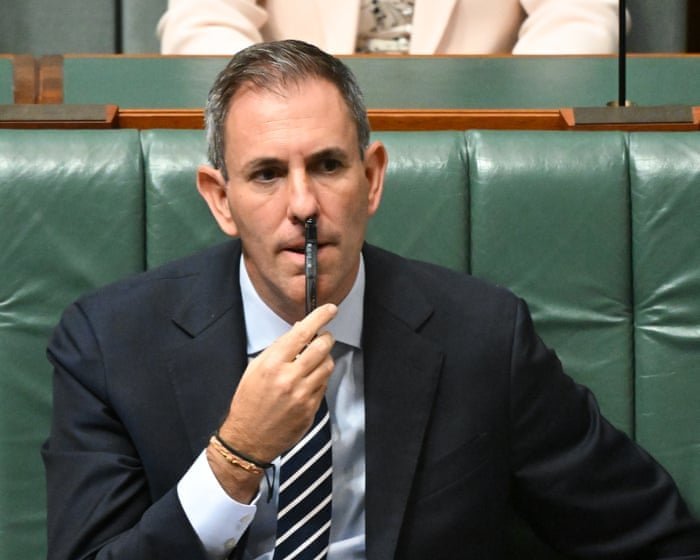
Australia is bracing for a potentially rocky economic road ahead as Treasurer Jim Chalmers attempts to calm fears of a recession, despite the Reserve Bank’s latest interest rate hike.
In a closely split five-to-four decision, the RBA lifted the official cash rate to 4.1 per cent, sparking concerns about the impact on households and the broader economy.
Chalmers has pushed back on recession fears, citing the RBA’s forecasts, which do not currently anticipate an economic downturn. However, RBA Governor Michelle Bullock warned that recession may be unavoidable if inflation proves too difficult to bring down.
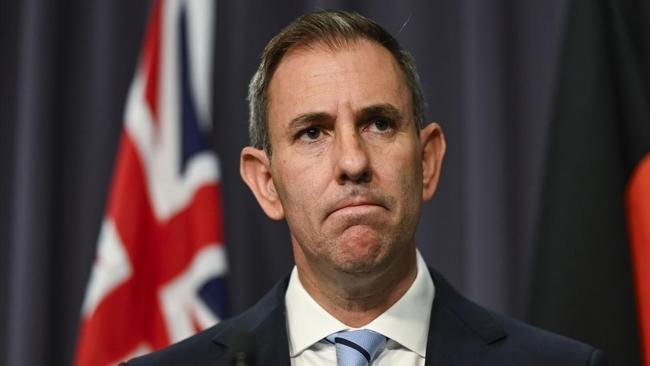
The governor’s comments have sent shockwaves through the financial community, with many wondering if Australia is headed for economic turmoil.
The Treasurer acknowledged the growing risks in the global economy, particularly following the escalation of conflict in the Middle East, but insisted that Australia was well placed to navigate the uncertainty.




“There’s a lot of risk in the global economy right now and we’ve got to get on top of this inflation challenge,” Chalmers said.
Inflation pressures have been driven by a mix of domestic and global factors, including recent spikes in fuel prices.
Chalmers attributed the inflation challenge to a combination of factors, including the Middle East conflict, but emphasized that the government was taking steps to ease the burden on households while working to improve the budget position.
The government has delivered two surpluses and found $114 billion in savings, putting the budget in a stronger position.
Chalmers promised that there would be more savings in the budget in May, and the government would continue to focus on cost-of-living relief alongside broader economic management.
“We’re doing a lot of work in fuel markets. We’re rolling out cost-of-living relief, including two more tax cuts that our opponents opposed.
And we’re also doing a lot of work to make sure that the budget is as responsible as it can be,” he said.
Despite the uncertainty, Chalmers emphasized that Australia’s economic fundamentals remained strong, with low unemployment, faster economic growth than any major advanced economy, and lower debt than the major advanced economies.
“We won’t be immune from what’s happening around the world, but we have very solid economic foundations from which to confront this uncertain economic future, which is dialled up by developments in the Middle East,” he said.
Analysis: What This Means for Australia
The interest rate hike and recession fears have significant implications for Australia’s economic security and public safety.
As the cost of living continues to climb, households are bracing for further rate rises, which could have devastating consequences for mortgage holders and small businesses.
The government’s ability to navigate the global uncertainty and manage the economy will be crucial in the coming months.
Security analysts say that the economic uncertainty could have far-reaching consequences for national security, as a recession could lead to increased unemployment, social unrest, and a decline in living standards.
Law enforcement insiders warn that the economic downturn could also lead to an increase in crime, particularly property crime and fraud.
Industry observers believe that the government’s focus on cost-of-living relief and budget management is crucial in mitigating the impact of the interest rate hike.
However, they caution that the government must also address the root causes of inflation and take a long-term approach to economic management.
As the economic landscape continues to shift, one thing is clear: Australia is in for a rocky ride. The government’s ability to steer the economy through these uncertain times will be critical in determining the country’s economic future.