Fuel Crisis Chaos: Panic Buying Sparks Emergency National Cabinet Meeting as Regional Communities Teeter on the Brink
- Australia’s fuel crisis reaches boiling point as panic buying drains supplies, leaving regional communities struggling to access diesel
- Prime Minister Anthony Albanese calls emergency national cabinet meeting to address shortages and prevent further chaos
- Federal government releases 20% of national fuel reserves to ease pressure, but warns of long-term economic aftershocks
The fuel crisis gripping Australia has sparked an emergency meeting of the national cabinet, as panic buying and surging demand push regional communities to the edge.
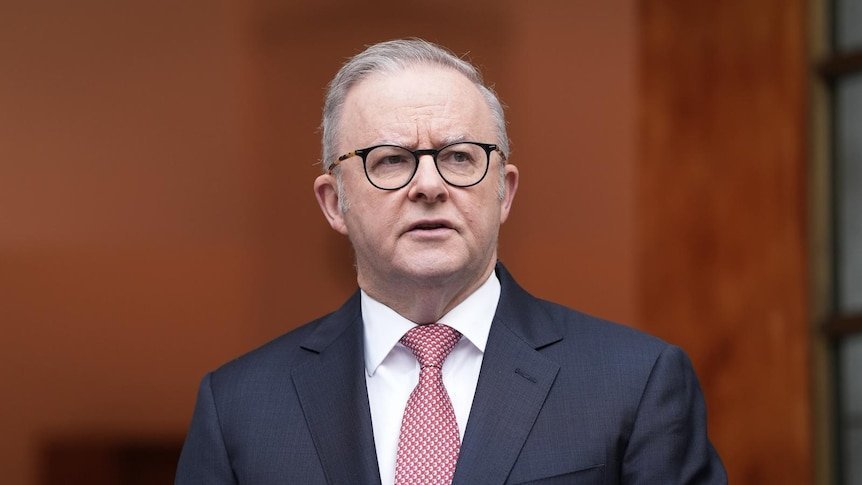
Prime Minister Anthony Albanese will convene the meeting on Thursday, joining state and territory leaders to address the escalating crisis.
The situation has been building for two weeks, since the outbreak of war in Iran, which has collided with growing demand at home to create a perfect storm of supply pressures.
Despite fuel shipments still arriving in Australia, the government has identified panic buying as the primary cause of the shortages, draining supplies in key areas faster than they can be replenished.
Regional communities have borne the brunt of the crisis, with petrol stations running dry and farmers struggling to access the diesel needed to keep their operations running.



The federal government has released 20% of the nation’s fuel reserves to ease the pressure, prioritising regional areas where shortages are most severe. Authorities have also ordered the ACCC to monitor for price gouging as fuel costs spike.
The crisis marks the third major economic shock to hit Australia this decade, following the Ukraine War and COVID-19. Albanese warned that the aftershocks of the crisis will be felt across the country for a long time, highlighting the need for urgent action.
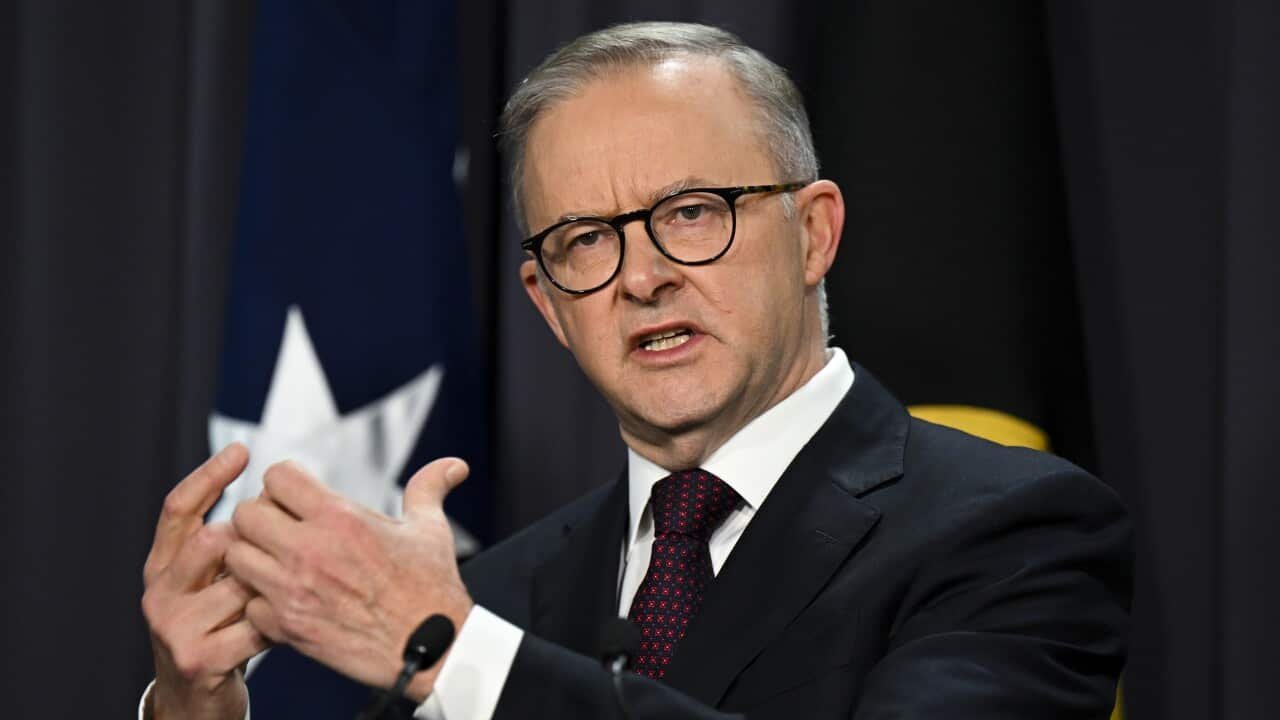
“I’ll convene the national cabinet of all the premiers and chief ministers to ensure the co-ordination that’s occurring right across our country maximises the benefit for business, for farmers, for our communities,” he said.
The emergency national cabinet meeting represents a significant escalation in the government’s response, after earlier messaging urged Australians not to change their behaviour despite the worsening situation.
As the crisis deepens, one thing is clear: the fuel shortages will have far-reaching consequences for Australia’s economy, communities, and national security.
Analysis: What This Means for Australia
The fuel crisis has exposed the vulnerabilities of Australia’s fuel supply chain, highlighting the need for greater investment in infrastructure and diversification of energy sources. The crisis also raises questions about the government’s preparedness for national emergencies, with some critics arguing that the response has been too slow and inadequate.
As the situation continues to unfold, one thing is certain: the fuel crisis will have a lasting impact on Australia’s economy, communities, and national security.
Security analysts say that the crisis has also exposed the risks of relying on imported fuel, highlighting the need for greater investment in domestic energy production.
“This crisis is a wake-up call for Australia,” said one analyst. “We need to take a hard look at our energy security and start investing in domestic production to reduce our reliance on imported fuel.”
The crisis has also sparked concerns about the impact on regional communities, with many farmers and small business owners struggling to access the fuel they need to operate.
“This crisis is a disaster for regional Australia,” said one farmer. “We’re already struggling to make ends meet, and now we’re facing fuel shortages that could put us out of business.”