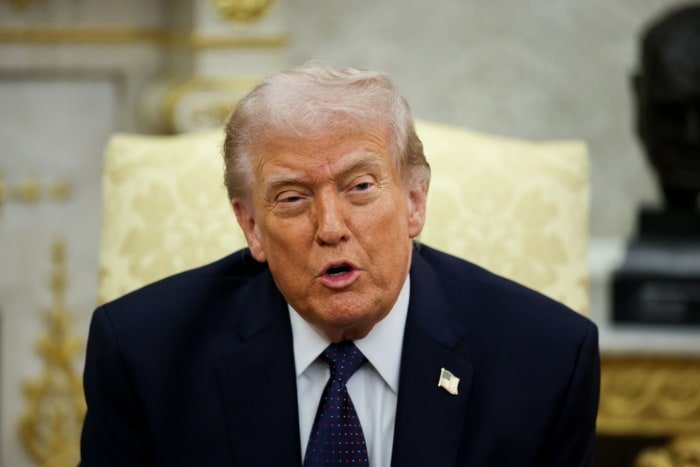
US President Donald Trump’s Iran War Backlash: Isolation Grows as Allies Refuse to Join the Fight
- Senior US counterterrorism official Joe Kent resigns, citing Trump’s deception by Israel and lack of imminent threat from Iran
- Trump’s vice-president and National Intelligence director also distance themselves from the war
- Rising oil prices, global hesitation, and internal dissent put pressure on the president
In a shocking turn of events, US President Donald Trump’s decision to go to war with Iran has sparked a backlash at home and abroad. Senior counterterrorism official Joe Kent has resigned, citing the president’s deception by Israel and the lack of an imminent threat from Iran.
This marks the first senior government official to quit over the war, and Kent’s scathing resignation letter has sent shockwaves through the political establishment.
Kent, a military veteran who was nominated by Trump himself, wrote that he could not in good conscience support the ongoing war in Iran.
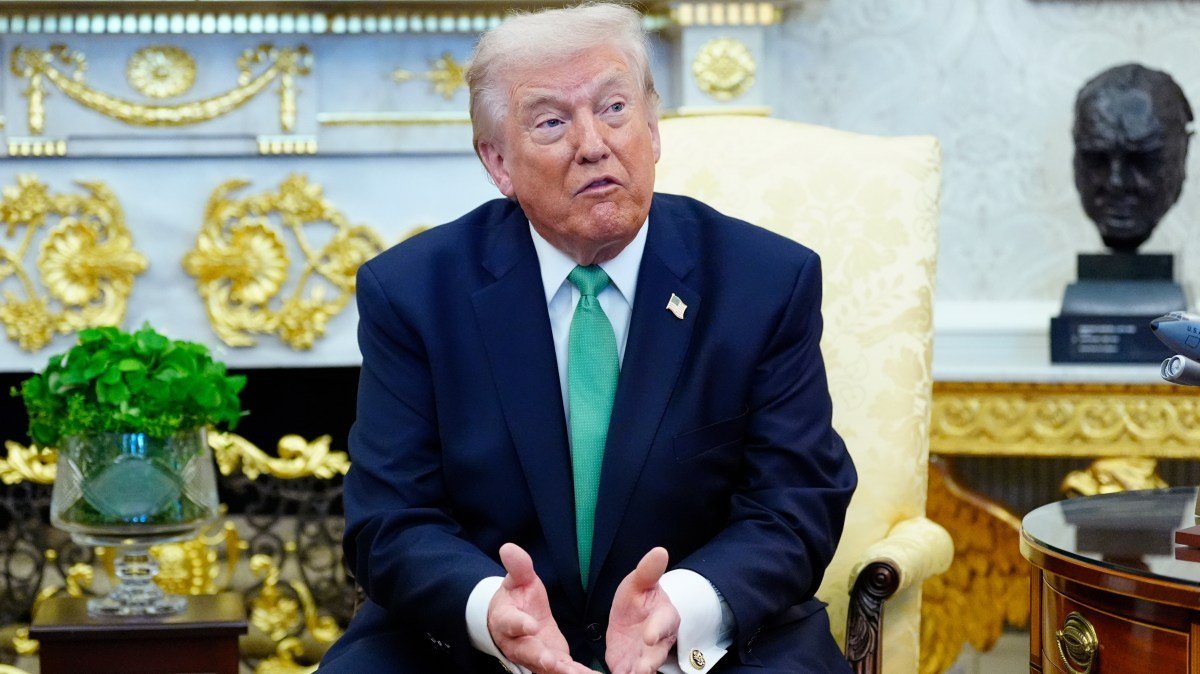
He accused the president of being deceived by Israel into striking Iran, and said the idea that the US was under imminent threat was “a lie”.
Kent’s resignation has sparked a growing tide of anti-war voices, even among Trump’s once-faithful MAGA base.
But Kent isn’t the only official distancing themselves from the Iran war.
Trump’s vice-president has declined to fully endorse the war, and Tulsi Gabbard, his National Intelligence director, has also been tight-lipped about any outright endorsement of the war.
This internal dissent is a significant blow to the president, who has faced criticism for his handling of the crisis.
The international community has also been hesitant to join the US in its war efforts. Trump’s rhetoric towards allies has helped rupture long-standing relationships, leaving him unusually isolated on the global stage.
He has dismissed NATO members as “delinquent”, and reportedly told Norway’s prime minister earlier this year that he no longer felt an obligation to think “purely of peace”.
In a phone call with UK Prime Minister Sir Keir Starmer, Trump’s demands for military support were met with a lukewarm response. Starmer emphasized the need to “ask my team” before committing to any military action, underscoring a difference in policy and political worldview.
Western allies view diplomacy and consent as essential, whereas Trump appears to see them as optional.
Analysis: What This Means for Australia
The implications of Trump’s isolationism and aggressive foreign policy are far-reaching for Australia.
As a key ally of the US, Australia may be forced to choose between supporting its long-standing partner or maintaining its own national security interests.
The rising tensions in the Middle East could have significant consequences for global stability and the Australian economy.
Security analysts say that Trump’s approach to Iran has been reckless and shortsighted, and that his failure to consult with allies has created a power vacuum that could be exploited by rival nations.
Law enforcement insiders warn that the war could lead to an increase in terrorist activity and cyber attacks on Australian soil. Industry observers believe that the conflict could lead to higher oil prices and economic instability, which would have a ripple effect on the Australian economy.
As the situation continues to unfold, one thing is clear: Trump’s war in Iran has sparked a crisis of confidence in his leadership, both at home and abroad.
The world is watching, and the consequences of his actions will be felt for years to come.