Pauline Hanson’s One Nation Blames Government for Housing Crisis, But Experts Say It’s a Smoke Screen for Deeper Issues
- One Nation leader Pauline Hanson claims government decisions are behind South Australia’s housing and cost-of-living pressures, but economists and experts disagree.
- Hanson’s party is campaigning on a platform of blaming migrants for the housing crisis, but data shows investors are the main driver of rising prices.
- Experts warn One Nation’s simplistic solutions are scapegoating migrants and minority groups, ignoring the real issues of government policy and investor behaviour.
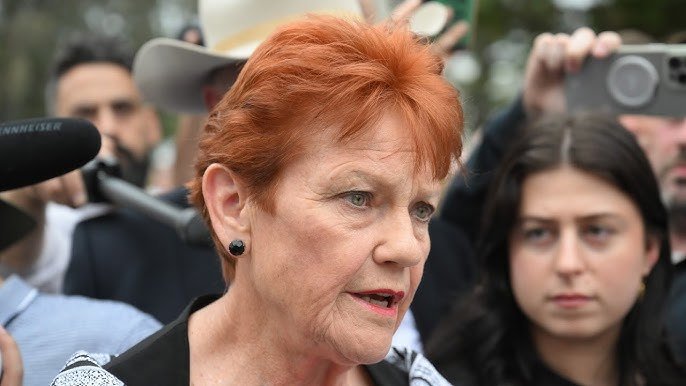
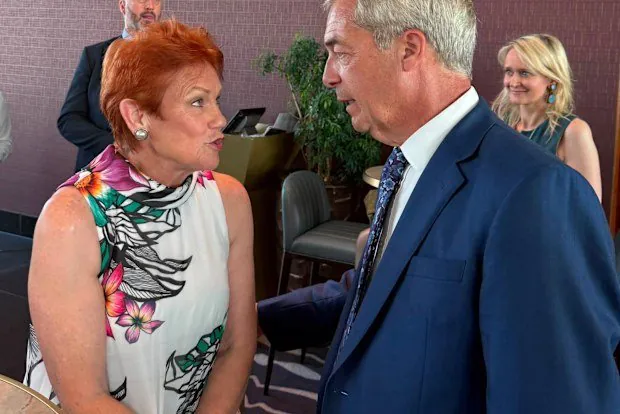
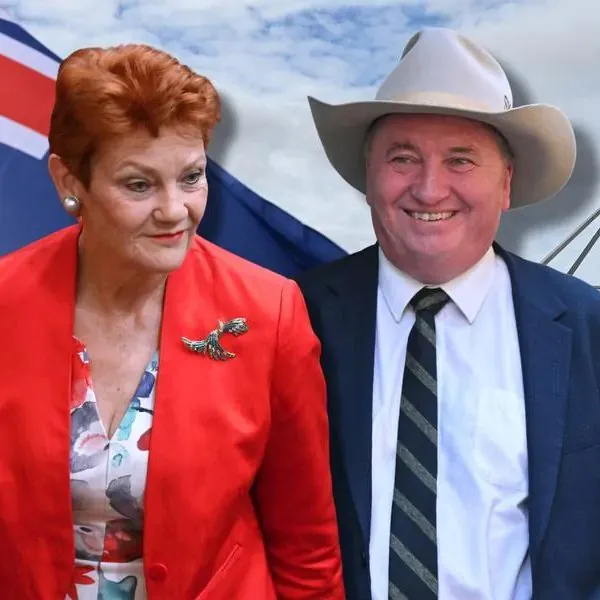
As the South Australian state election approaches, One Nation leader Pauline Hanson has been campaigning hard, blaming the state government for the housing and cost-of-living pressures facing the state.
But experts say her claims are misleading and fail to address the real issues driving the crisis.
Hanson has been touring regional and outer-metropolitan seats, telling voters that she’s been “welcomed” by people who have deserted the Liberal Party. She claims that “poor government decisions” are behind the state’s housing and cost-of-living pressures, and that her party offers a solution.
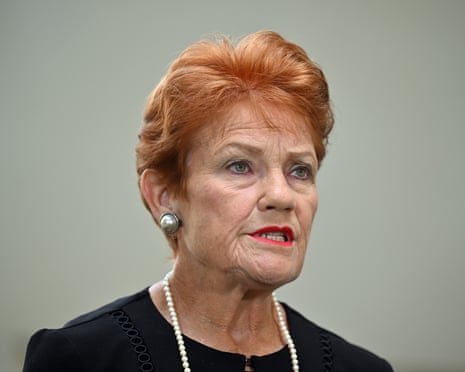
But economists and political leaders say her claims are not supported by evidence.
One of One Nation’s central claims is that migration is driving the housing crisis, but experts say this is not supported by evidence.
In fact, data shows that investors are the main driver of rising house prices, with housing supply growing by 19 per cent over the past 10 years against a population increase of 16 per cent.
Graham Cooke, head of consumer research at Finder, told 7NEWS.com.au that migrants were “only a minor contributor” to rising house prices, citing Monash University research showing they accounted for “approximately 1 per cent of the 6 per cent house price growth” in the decade to 2016.
Cooke said housing supply had grown faster than population over the past decade, and noted even when immigration turned negative during COVID lockdowns prices “still went up”.
Experts say government policy and investor behaviour have a far greater impact on affordability, pointing to negative gearing and capital gains tax concessions that encourage investment purchases.
These policies have created a system where investors are able to outbid first-home buyers and drive up prices.
Analysis: What This Means for Australia
The housing crisis is a national issue, and South Australia is not immune. But the solutions offered by One Nation are simplistic and fail to address the real issues driving the crisis.
By blaming migrants, One Nation is ignoring the role of government policy and investor behaviour in driving up prices.
Security analysts say that the housing crisis has serious implications for national security, as it creates a system where housing is seen as a commodity rather than a basic human right.
This can lead to social unrest and community division, as people become increasingly desperate and disillusioned with the system.
Law enforcement insiders warn that the housing crisis is also a driver of crime, as people become more desperate and are forced to turn to illegal activities to make ends meet.
This can lead to a rise in property crime, drug use, and other social problems.
Industry observers believe that the housing crisis is a major economic issue, as it drives up costs for businesses and individuals alike. This can lead to inflation, reduced economic growth, and a decrease in living standards.
Ultimately, the housing crisis is a complex issue that requires a nuanced and evidence-based approach.
By scapegoating migrants and minority groups, One Nation is ignoring the real issues and offering simplistic solutions that will not address the root causes of the crisis.