Electric Vehicle Sales Surge in Australia as Fuel Prices Soar Amid Iran War and Blockade of Strait of Hormuz
- Electric vehicle makers report a surge in interest as fuel prices skyrocket, with sales increasing by 20% month-on-month
- Australian families and farmers are leading the charge, with many considering the switch to electric due to rising living costs
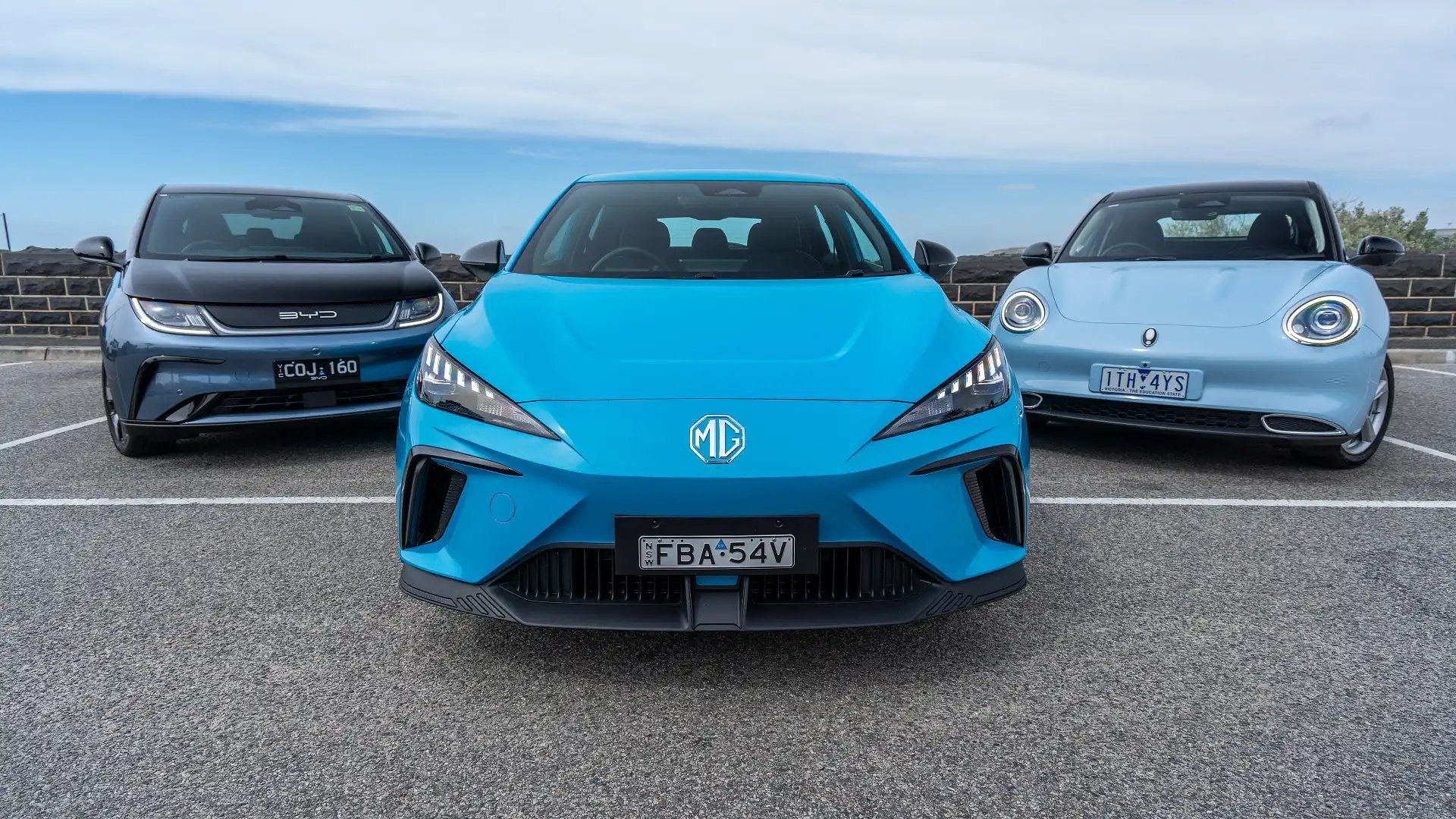
- Chinese automakers, such as BYD and Great Wall Motor, are seeing a significant spike in interest, with their sales increasing significantly since the fuel crisis began
Australia is witnessing a remarkable shift in the automotive industry as fuel prices continue to soar amid the Iran war and blockade of the Strait of Hormuz.
Electric vehicle makers are reporting a surge in interest, with sales increasing by 20% month-on-month.
The latest data from the Federal Chamber of Automotive Industries (FCAI) shows electric vehicles accounted for 11.8% of total sales in Australia in February, marking a record monthly market share.
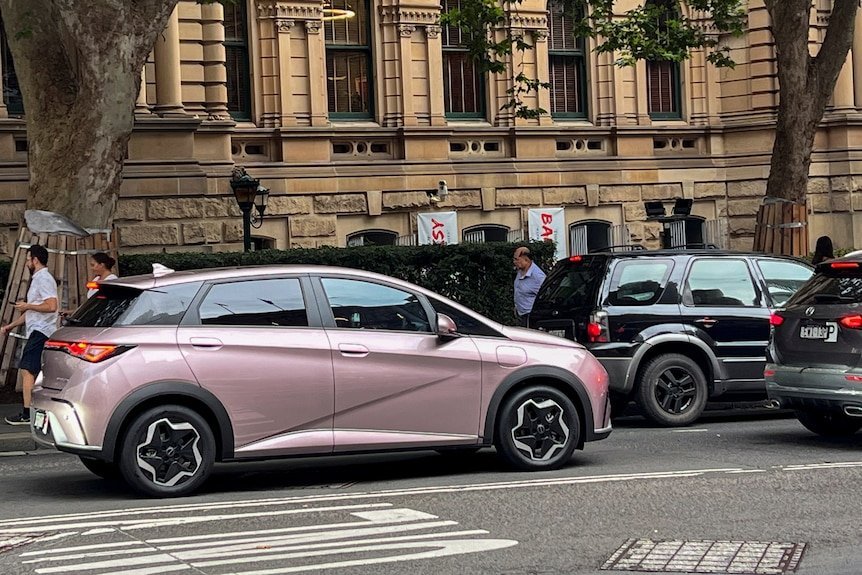
For Angela and her family, the decision to consider switching to an electric vehicle was a no-brainer. With fuel prices skyrocketing, they saw it as an opportunity to save money and reduce their carbon footprint.
“It’s always something we were interested in, but lately, high fuel prices have really pushed us to seriously consider it,” Angela said. Her mother and grandmother agree that it’s worth the investment, with her grandmother encouraging them to make the switch.




Nigel, a farmer from regional Victoria, is another Australian who’s considering making the switch. With 11 vehicles on his farm, he’s looking for ways to reduce his fuel costs.
“I’m thinking of getting some solar panels for charging up the vehicle – spending around $100 a year on running the car,” he said.
The surge in interest in electric vehicles is not limited to individuals.
Chinese automakers, such as BYD and Great Wall Motor, are seeing a significant spike in interest, with their sales increasing significantly since the fuel crisis began.
Paul Ellis, a spokesman for BYD, attributes the jump to a combination of rising fuel costs, inflation, and interest rates. “Electric vehicles always make sense, but they are making more sense now because people can see the financial benefits,” he said.
Analysis: What This Means for Australia
The shift towards electric vehicles is not only good news for the environment, but it also has significant implications for Australia’s economy and national security. With the country’s reliance on imported oil, the blockade of the Strait of Hormuz has sent fuel prices soaring.
However, the surge in interest in electric vehicles presents an opportunity for Australia to reduce its dependence on foreign oil and invest in sustainable energy sources.
“Security analysts say that the shift towards electric vehicles could help reduce Australia’s vulnerability to global oil price shocks,” said one expert.
Law enforcement insiders warn that the increased adoption of electric vehicles could also have implications for Australia’s border control and national security.
“As the demand for electric vehicles increases, we need to ensure that our border control measures are in place to prevent the illegal importation of counterfeit or unsafe vehicles,” said one insider.
Industry observers believe that the surge in interest in electric vehicles is not a flash in the pan. With the cost of living pressures pushing consumers towards more affordable vehicles, Chinese brands are well-placed to benefit from this shift.
“The rise of Chinese automakers in the Australian market is a significant game-changer,” said one observer. “They’re offering affordable and reliable electric vehicles that are resonating with Australian consumers.”
However, not everyone is convinced that the surge in interest in electric vehicles is entirely positive. Some experts believe that the Chinese EV industry faces several challenges, including cut-throat competition and the need to meet strict safety and emissions standards.
“The road ahead isn’t without friction,” said Tu Le, founder of Sino Auto Insights. “Chinese automakers are treating overseas markets as a ‘pressure relief valve’ to offset the intense competition in their home market.”