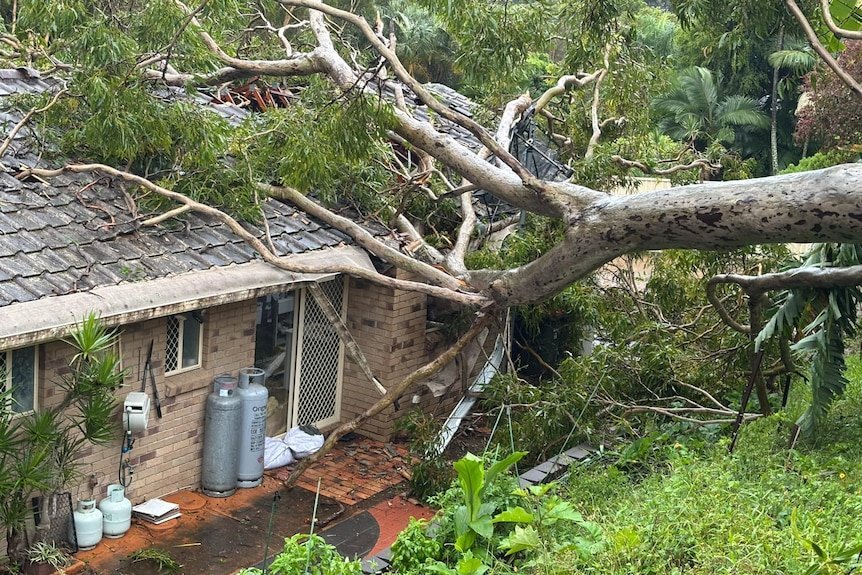
Cyclone Narelle’s Trail of Destruction: Far North Queensland Breathes Sigh of Relief as System Moves into Northern Territory
- Tropical Cyclone Narelle brings damaging winds and flooding to Far North Queensland, leaving a trail of destruction in its wake
- Communities in Cape York Peninsula and surrounding areas are counting the cost, with power outages, fallen trees, and debris littering streets
- The system is expected to continue its westward journey, bringing more rain and strong winds to the Northern Territory and Western Australia
The people of Far North Queensland are breathing a sigh of relief as Tropical Cyclone Narelle begins to move away from the region, leaving behind a trail of destruction and chaos.
The category four cyclone made landfall on Friday morning, bringing with it damaging winds and heavy rainfall that has left many communities reeling.
The town of Lockhart River was one of the hardest hit, with the cyclone knocking out power and leaving the community littered with debris.
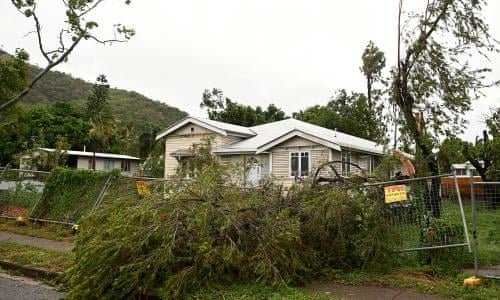
Mayor Wayne Butcher estimates that the clean-up efforts will take at least a week, with the biggest concern being the restoration of power to the area.
“I think we’ve got the whole week … about six or seven days’ worth of cleaning up still,” Cr Butcher said.




The cyclone’s impact was felt across the region, with the remote community of Aurukun also suffering significant damage. The community’s corporate services manager, Lyndon Keane, described the scene as “unpleasant” with temperatures soaring to 33 degrees and humidity at 95 per cent.
“It hit reasonably hard and then we had quite a substantial eye,” Mr Keane said.
The full extent of the damage is still being assessed, but it is clear that the cyclone has left its mark on the region. Almost 450 homes are still without power across Cape York, and Telstra has four mobile sites down in the region.
The Bureau of Meteorology has warned of further rainfall, which could exacerbate the already swollen rivers and creeks in the area.
Analysis: What This Means for Australia
The impact of Tropical Cyclone Narelle serves as a stark reminder of the importance of disaster preparedness and infrastructure in remote communities.
The lack of dedicated cyclone shelters in Cape York Peninsula has left residents vulnerable to the full force of the cyclone, highlighting the need for greater investment in disaster mitigation measures.
Security analysts say that the cyclone’s impact on the region’s communication infrastructure has also raised concerns about the ability of emergency services to respond to future disasters.
The fact that many communities were left without power and mobile reception for extended periods of time has highlighted the need for more robust infrastructure in these areas.
As the cyclone continues its westward journey, the people of Western Australia and the Northern Territory are bracing themselves for the worst.
With the system expected to bring more rain and strong winds, residents are being warned to remain vigilant and take necessary precautions to ensure their safety.
Industry observers believe that the cyclone’s impact on the region’s economy will be significant, with the tourism and agricultural sectors likely to be hardest hit. The full extent of the damage is still being assessed, but it is clear that the cyclone will have a lasting impact on the region.