Fuel Crisis Chaos: Australia Teeters on Brink of Disaster as Experts Warn of ‘Systemic Vulnerabilities’ and ‘Panic Buying Pandemonium’
- Fuel shortages worsen as consumer watchdog probes major companies over alleged anti-competitive conduct
- Former Defence expert John Blackburn slams government’s ‘reactive’ approach, saying Australia is ‘stuck in crisis mode’
- Farmers face devastating fertiliser price hikes, sparking fears of widespread economic impact
The fuel crisis gripping Australia has reached catastrophic levels, with a leading defence expert warning that the country is woefully unprepared to handle the fallout.
As the consumer watchdog launches a formal probe into major fuel companies over alleged anti-competitive conduct, former Deputy Chief of the Air Force John Blackburn has slammed both sides of government for their “fundamental failure” to address the nation’s systemic vulnerabilities.
The crisis has been exacerbated by poor preparation at home, with Blackburn claiming that Australia is now stuck reacting to the crisis rather than planning for the future.
“When you’re in a crisis, all you can do is react,” he told Sunrise. “But you’ve got to stop playing politics.
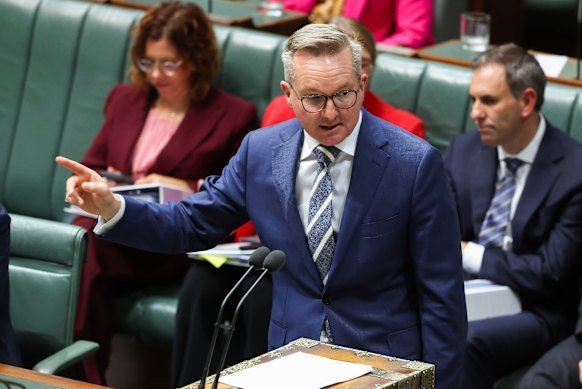
What we’re seeing in question time is absolutely pathetic.”
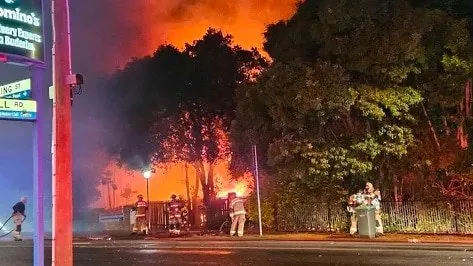


The situation is dire, with fuel shortages worsening and panic buying reaching pandemonium levels. Blackburn warned that the crisis goes far beyond fuel, with fertiliser prices already skyrocketing and global markets set to be significantly impacted.
“Fuel is a major problem that we’re looking at to manage, but there’s so much else that comes out of the Middle East, whether it’s fertilisers, chemicals, gas that will affect the global markets quite significantly,” he said.
Farmers are already feeling the pinch, with fertiliser prices on the rise. “If you’re a farmer, you’re worried about diesel and now fertilisers,” Blackburn said.
The economic implications are far-reaching, with the potential to devastate entire industries.
The government’s handling of public messaging has also come under fire, with Blackburn arguing that clearer communication could have prevented panic buying and eased pressure on supply.
Instead, fear has driven demand far beyond normal levels, accelerating the crisis before supply constraints fully hit.
“We’re looking at a 20 per cent reduction on the supply, and we’ve just increased our demand by 50 per cent because people understandably go, hell, look what Trump’s doing, it’s going to come,” Blackburn explained.
Analysis: What This Means for Australia
The fuel crisis has exposed Australia’s systemic vulnerabilities, and the government’s response has been woefully inadequate. The nation’s energy security has been neglected for over a decade, with the last national assessment of Australia’s fuel vulnerabilities conducted in 2011.
Security analysts say that this lack of preparedness has put the country in a precarious position, with the potential for widespread economic and social consequences.
Law enforcement insiders warn that the crisis is also having a devastating impact on frontline workers, with service station staff facing abuse and intimidation from frustrated customers.
The ACCC is urging Australians to report suspected price gouging rather than taking out their frustrations on staff.
As the situation continues to unfold, one thing is clear: Australia is teetering on the brink of disaster. The government must take immediate action to address the nation’s systemic vulnerabilities and prevent further chaos.
Anything less would be a dereliction of duty.