Fuel Crisis Worsens: Panic-Buying Chaos Engulfs NSW as Petrol Prices Soar
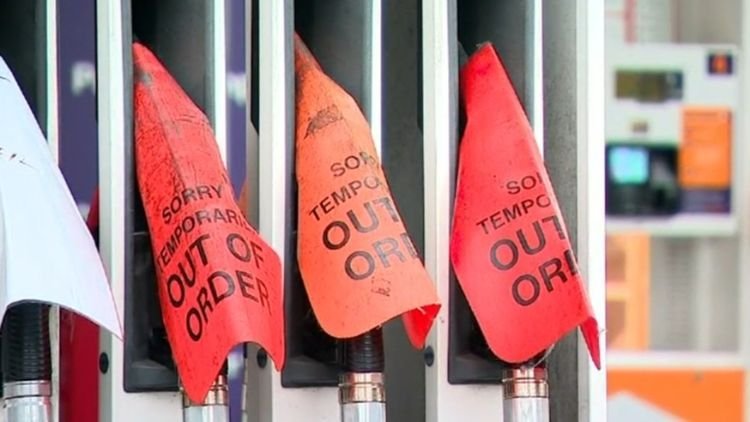
- 105 service stations across NSW are without diesel, and 35 have no fuel at all, with regional areas worst hit.
- Premier Chris Minns rules out slashing public transport fares to ease cost-of-living burdens, despite a massive surge in usage.
- Fuel rationing remains a possibility if the situation escalates, but authorities warn it would have a significant impact on the economy and businesses.
- Experts urge consumers to stop panic-buying, saying it’s driving the crisis, and that the nation has sufficient fuel reserves to meet demand.
The fuel crisis gripping New South Wales has reached boiling point, with motorists abandoning their cars for public transport in droves as petrol prices continue to skyrocket.
But despite the chaos, Premier Chris Minns has refused to budge on slashing public transport fares, citing the need to maintain a sustainable transport system.
The crisis has been triggered by the closure of the Strait of Hormuz, which has disrupted global supply chains and led to panic-buying at the bowser.
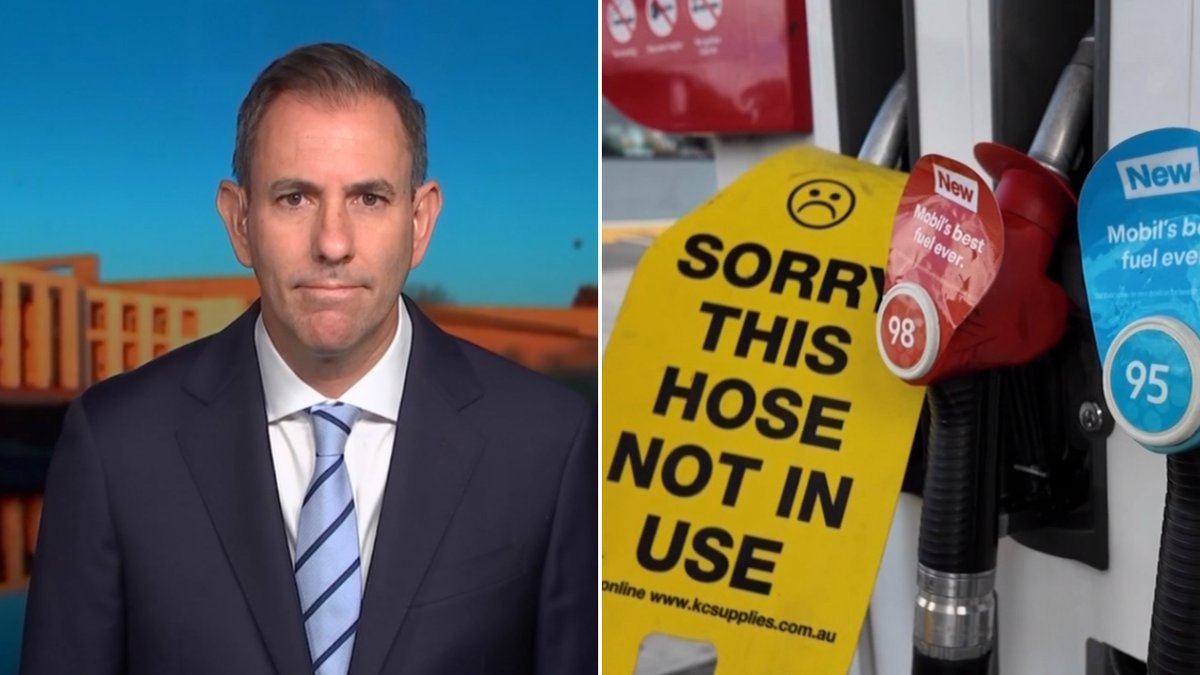
As of today, 105 of the state’s 2,500 service stations are without diesel, and 35 have no access to any fuel. Regional areas are bearing the brunt of the shortage, with many commuters forced to rely on alternative modes of transport.
In response to the crisis, the federal government has released supplies from its emergency stockpile and temporarily lowered fuel standards to allow onshore refineries to redirect supplies into the local market.


But despite these measures, the situation remains critical, with authorities warning against panic-buying and urging consumers to only purchase what they need.
The Rail, Tram and Bus Union NSW has called on the state government to slash public transport fares to reduce cost-of-living pressures, but Premier Minns has dismissed the suggestion, saying it would have a negligible impact on fuel consumption.
“Seventy-five per cent of what it costs to take someone from Hurstville, for example, to the city is already covered by the taxpayer,” he said.
“If we were to turn that off, even for a short period of time, it has an impact somewhere else in the system.”
Meanwhile, the state government is working to increase fuel access for independent suppliers that do not have contracts with major fuel companies. Independent service stations have been hit hard by the fuel crisis, with some selling petrol at almost $3 a litre in Sydney.
“We are seeing problems with those petrol stations in the supply chain getting access to fuel … that’s an area we’re looking at very closely,” Premier Minns said.
Analysis: What This Means for Australia
The fuel crisis has significant implications for national security, with authorities warning that panic-buying could lead to widespread shortages and economic disruption.
“We will of course take emergency measures if required, but those measures themselves have an impact on the economy and businesses in New South Wales,” Premier Minns said.
The crisis also highlights Australia’s vulnerability to global supply chain disruptions, with the nation relying heavily on imported fuel.
Security analysts say the situation is a wake-up call for the government to invest in alternative energy sources and reduce the country’s reliance on imported fuel.
“This crisis is a stark reminder of the need for energy security and diversification,” said one expert. “We can’t continue to rely on imported fuel and expect to be immune to global disruptions.”
Law enforcement insiders warn that the crisis could also lead to an increase in fuel-related crimes, such as theft and black-marketeering. “We’re already seeing reports of fuel theft and hoarding,” said one source.
“If the situation escalates, we could see a surge in fuel-related crimes.”
Industry observers believe the crisis will have a significant impact on the economy, with small businesses and commuters likely to bear the brunt of the shortage.
“This crisis is a disaster for small businesses and commuters who rely on their cars to get to work,” said one expert. “The government needs to take urgent action to address the shortage and prevent widespread economic disruption.”