OIL PRICE SHOCKWAVES: Electric Vehicle Demand Surges as Australians Flee Soaring Petrol Costs
- Australian businesses and drivers are ditching petrol-guzzlers for electric vehicles as oil prices skyrocket following US-led attacks on Iran
- Loans for EVs have doubled in March, with finance enquiries from businesses up 88 per cent, as Australians seek to escape soaring fuel costs
- Unleaded petrol prices have jumped between 61 and 92 per cent in Australian capital cities since February 20, while diesel costs have more than doubled
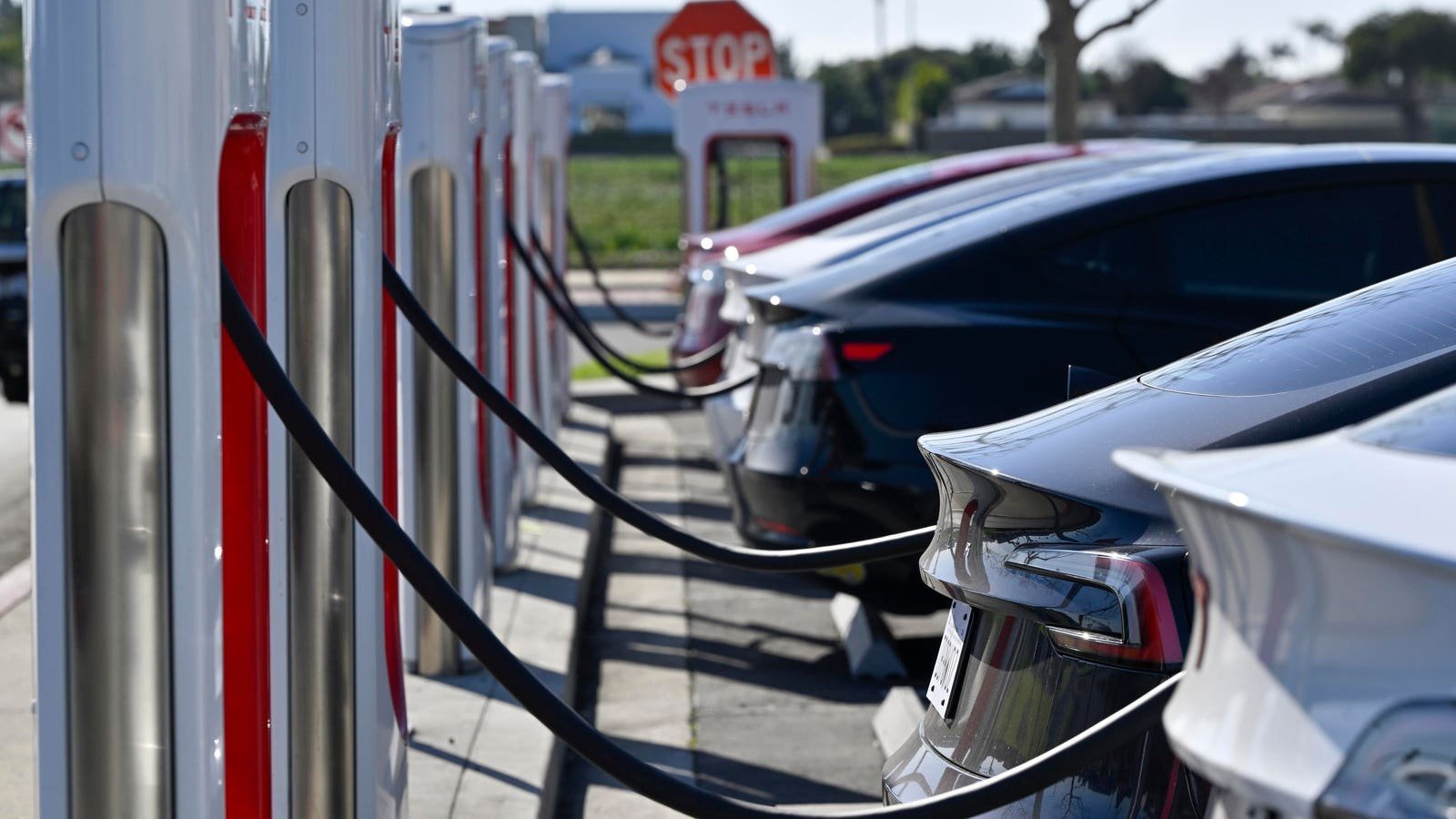
- Charging activity has surged, with new sign-ups up over 30 per cent on the month prior, as drivers seek more predictable energy costs
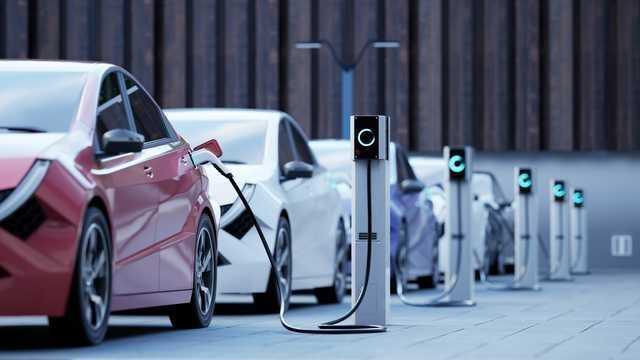
The recent US-led attacks on Iran have sent shockwaves through the global oil market, causing petrol and diesel prices to skyrocket and Australian demand for electric vehicles (EVs) to surge.
As the Islamic republic retaliates by effectively closing the Strait of Hormuz, a critical chokepoint for a fifth of global oil supply, Australians are seeking refuge in EVs to dodge the soaring fuel costs.
Data from National Australia Bank shows that loans for EVs have doubled in March, with finance enquiries from businesses up a staggering 88 per cent. Australian business owners are pivoting to EVs to future-proof their margins, according to NAB business banking executive Shane Ditcham.
“When conditions shift, they pivot,” he said.
The surge in EV demand is a direct response to the unprecedented hike in fuel prices.




Unleaded petrol prices have jumped between 61 and 92 per cent in Australian capital cities since February 20, while the cost of diesel has more than doubled, according to Australian Consumer and Competition Commission data.
With Asia sourcing more than half its oil from the Middle East, and Australia importing more than half its refined fuel from Asian trading partners, the country is particularly vulnerable to global oil market fluctuations.
For many businesses, the switch to EVs is about cost certainty and resilience.
“For businesses where vehicles come back to the same place each night, especially, EVs can make sense because energy costs are more predictable,” Mr Ditcham said.
“That can be a real advantage when margins are under pressure.”
The surge in EV demand is not limited to businesses.
Drivers of combustion-engine vehicles are also changing their behaviour to soften the blow from sky-high fuel prices, with more than half of Australian petrol and diesel vehicle drivers cutting back on driving in March, according to a NRMA survey.
One in eight are walking or taking public transport more often due to surging fuel prices.
Analysis: What This Means for Australia
The sudden spike in EV demand has significant implications for Australia’s national security, law enforcement, and economy. As the country becomes increasingly reliant on imported fuel, it is vulnerable to global market fluctuations and supply chain disruptions.
The shift to EVs could reduce Australia’s dependence on foreign oil, but it also raises questions about the nation’s energy infrastructure and the ability of the grid to support widespread EV adoption.
Security analysts say that the recent oil price shockwaves have exposed Australia’s vulnerability to global energy market volatility. “The country’s reliance on imported fuel makes it susceptible to supply chain disruptions and price shocks,” said one expert.
“Diversifying our energy mix and investing in renewable energy sources is critical to reducing our dependence on foreign oil and ensuring energy security.”
Law enforcement insiders warn that the surge in EV demand could also lead to new challenges in terms of vehicle safety and regulation.
“As the number of EVs on our roads increases, we need to ensure that our regulatory frameworks are in place to ensure safety and protect consumers,” said one insider.
Industry observers believe that the shift to EVs could have significant economic and social consequences for Australia.
“The transition to EVs could create new job opportunities in the clean energy sector, but it also raises questions about the impact on traditional industries such as fossil fuel extraction and refining,” said one expert.
As the global energy landscape continues to evolve, one thing is clear: the recent oil price shockwaves have accelerated Australia’s transition to electric vehicles, and the country must be prepared to adapt to the challenges and opportunities that come with it.