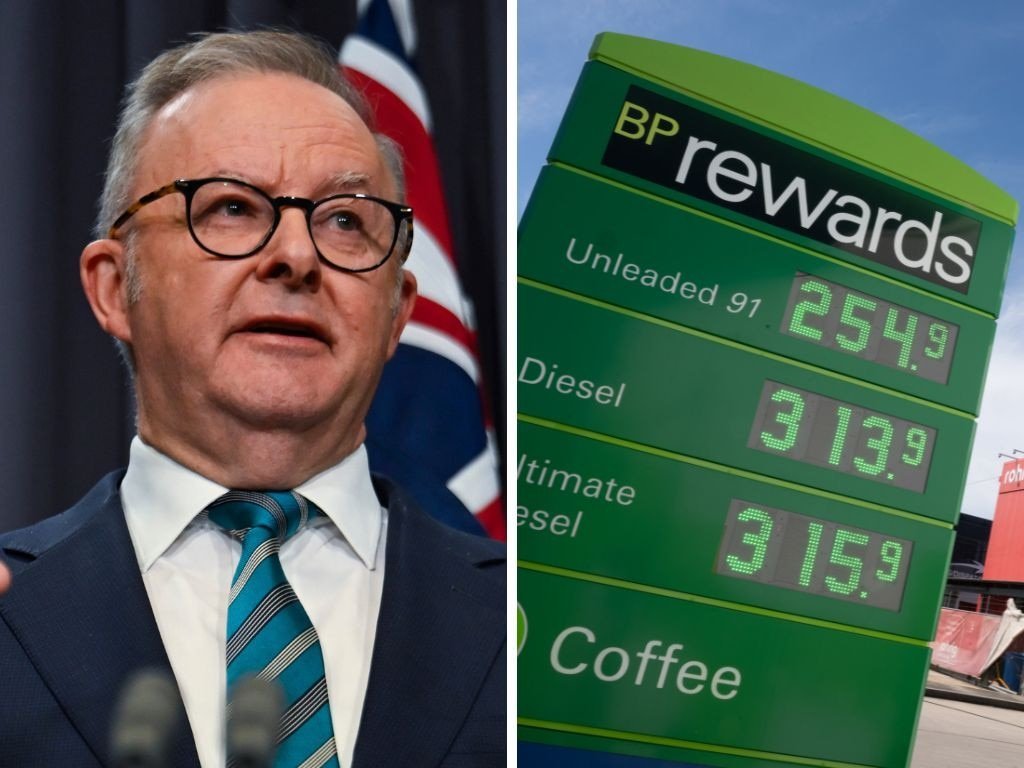
Fuel Crisis Deepens: Australia Throws Lifeline to Struggling Motorists with Unprecedented Intervention
- Prime Minister Anthony Albanese announces historic deal to underwrite fuel shipments, easing shortages and boosting supply
- Government warns against hoarding, as Bunnings runs out of jerry cans and Aussies are urged to take only what they need
- Fuel security powers to be expanded, allowing government to work with suppliers and underwrite shipments at prohibitive costs
In a dramatic bid to ease the nation’s fuel crisis, Prime Minister Anthony Albanese has announced a landmark deal to underwrite the delivery of additional fuel shipments to Australia.
The move marks the biggest intervention to date to boost supply and alleviate shortages that have left hundreds of petrol stations dry across the country.
At a Sydney press conference, Mr Albanese revealed that the government would establish new powers to secure fuel supplies, allowing it to work with fuel suppliers to keep fuel flowing to Australia.

The deal will deliver “shiploads” of fuel to Australia, where the cost would be prohibitive on normal commercial terms.
The Prime Minister warned that fuel security was a matter of “personal responsibility” for Australians, urging motorists to take only what they need and avoid hoarding.
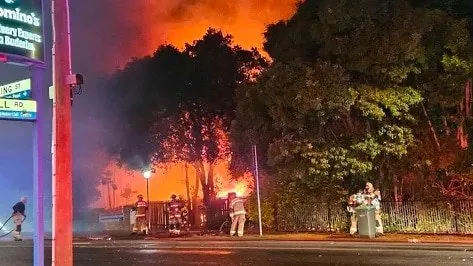



“That’s not the Australian way,” he said, as he expressed concern over pictures of Aussies filling up to four jerry cans at a time at servos.
Bunnings, a popular hardware chain, has already run out of jerry cans, further highlighting the crisis.
Energy Minister Chris Bowen revealed that Australia currently has 39 days of fuel in stockpiles and 30 days of diesel, despite regional shortages.
The government is war-gaming multiple options, including a temporary cut in fuel excise and plans to develop a national dashboard revealing where the shortages are located.
Analysis: What This Means for Australia
The fuel crisis has sparked concerns about national security, with the government acknowledging that the shortage is not just an economic issue but a matter of strategic importance.
The underwriting deal is a significant escalation of the government’s response, as it seeks to ensure that Australia’s fuel supply is secure and resilient.
Security analysts say that the move is a critical step in mitigating the risks associated with fuel shortages, which can have far-reaching consequences for the economy and national security.
Law enforcement insiders warn that the fuel crisis has created an environment ripe for exploitation by criminal networks, who may seek to profit from the shortage by hoarding fuel or engaging in price gouging.
The government’s intervention is seen as a vital step in preventing such activities and maintaining public safety.
Industry observers believe that the deal will have significant economic implications, as it will help to ease pressure on the construction industry and other sectors that rely heavily on fuel.
However, they also caution that the crisis is far from over, and that the government must continue to monitor the situation closely to ensure that the fuel supply remains secure.
As the fuel crisis continues to unfold, one thing is clear: the government’s intervention is a critical step in addressing the shortage and ensuring that Australia’s fuel supply is secure.
But it’s only the beginning – the government must continue to work tirelessly to address the root causes of the crisis and ensure that the nation’s fuel supply is resilient and secure for the long term.