Fuel Crisis Chaos: Albanese Rules Out COVID-Style Mandates as Petrol Stations Run Dry
- Australia’s state and territory leaders meet for emergency talks to tackle the country’s dwindling oil supply
- Prime Minister Anthony Albanese rules out enforcing COVID-style rules, urging Australians to avoid panic-buying fuel
- Hundreds of petrol stations have run out of at least one type of fuel, with prices skyrocketing to over $3 per litre for diesel
Australia is on the brink of a fuel crisis, with petrol stations running dry and prices soaring to unprecedented heights.
In a desperate bid to avoid a national emergency, state and territory leaders are meeting today for emergency talks to coordinate a universal response to the crisis.
The premiers and chief ministers will convene this afternoon, ahead of a second urgent national cabinet meeting tomorrow in Canberra, to discuss measures to keep Australians on the road.
At the heart of the crisis is a severe shortage of petrol and diesel, with hundreds of stations running out of at least one type of fuel.
The price of unleaded petrol has tipped $2.60 in some areas, while diesel has surpassed $3 per litre across the country. The situation is dire, with experts warning that the shortage could have far-reaching consequences for the economy and national security.

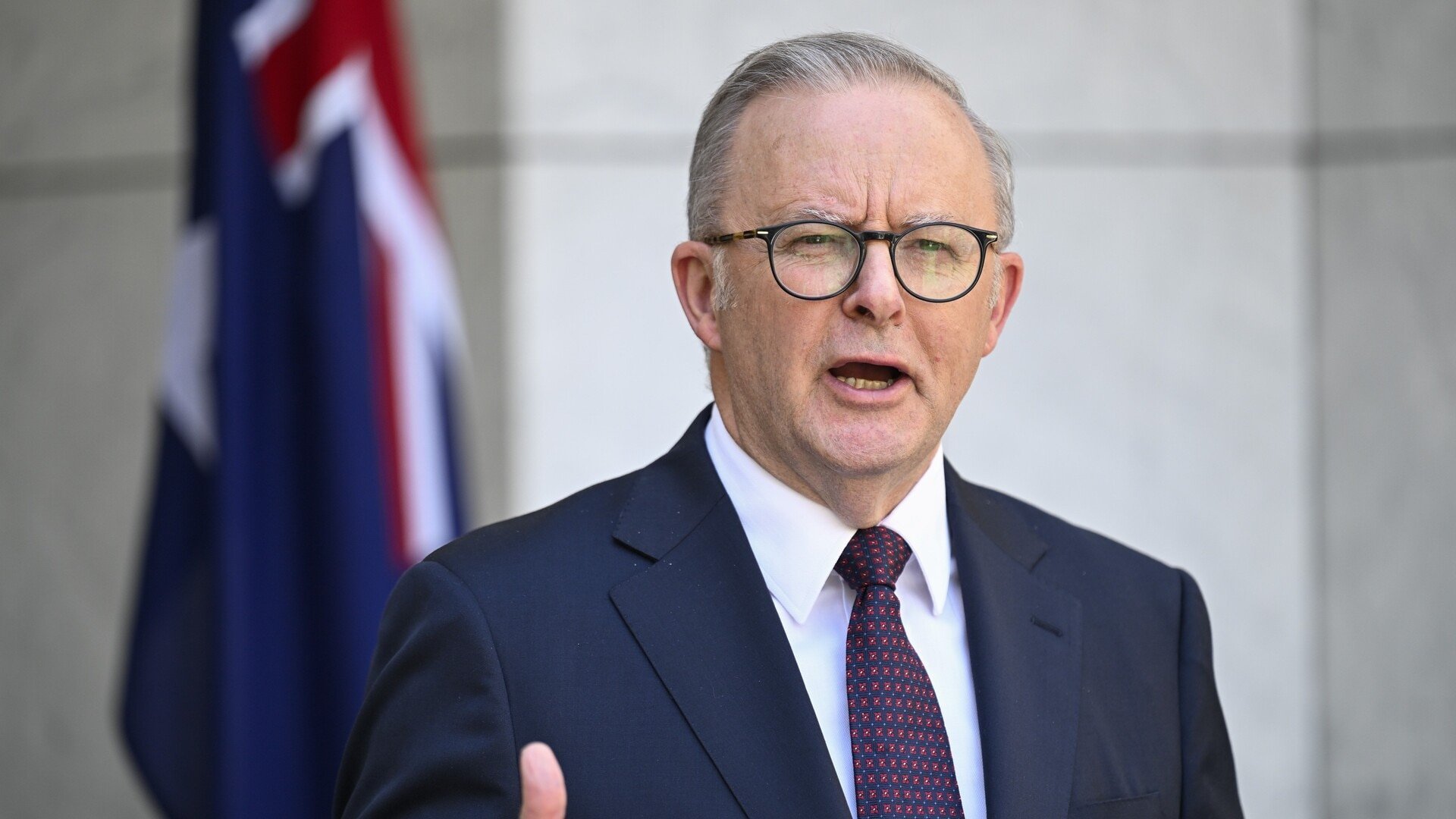
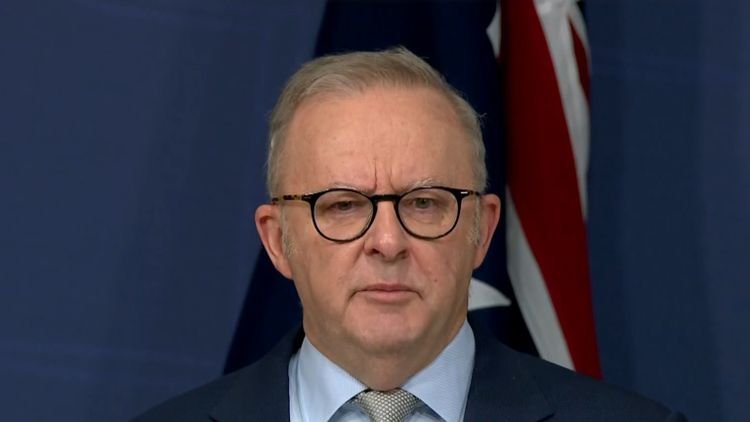
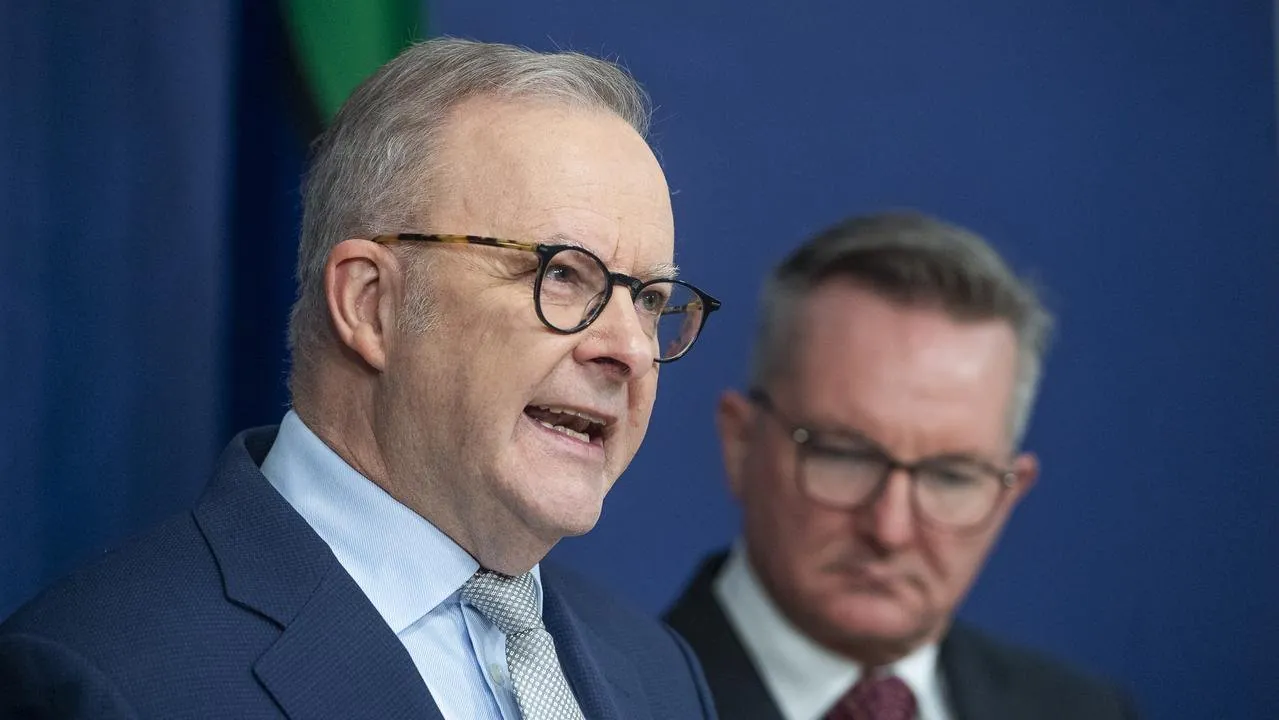
Prime Minister Anthony Albanese has ruled out enforcing COVID-style mandates, urging Australians to avoid panic-buying fuel. “I don’t want things to be mandated, common sense should apply as well,” Albanese said yesterday.
“This isn’t toilet paper that’s been piled up in some garages. It’s actually fuel.
That’s not sensible on a range of levels. One, it’s not doing the right thing by your fellow Australians.
But importantly, as well, it can be dangerous.”
Instead, the federal government will begin helping private importers bring more fuel into Australia as part of the national plan to curb the shortage.
The new powers are set to come into effect tomorrow, allowing the government to use public funds to underwrite the purchase of fuel by the private sector.
Albanese said that the government is also in talks with local and international fuel suppliers “to help firm up and source new cargoes required to keep Australia moving”.
Analysis: What This Means for Australia
The fuel crisis has sparked concerns about national security, with experts warning that a prolonged shortage could have devastating consequences for the economy and public safety.
“This is a critical moment for Australia,” said security analysts. “The shortage has the potential to disrupt supply chains, impact food and medicine deliveries, and even affect our ability to respond to national emergencies.”
Law enforcement insiders warn that the crisis could also lead to an increase in fuel theft and black market activities, further exacerbating the problem. “We’re already seeing reports of fuel theft and illegal sales,” said one insider.
“If we don’t get a handle on this situation, it could spiral out of control.”
Industry observers believe that the crisis is a wake-up call for Australia’s energy sector, highlighting the need for greater investment in domestic fuel production and infrastructure.
“This is a stark reminder of our vulnerability to global market fluctuations,” said one expert. “We need to take a hard look at our energy policies and make sure we’re prepared for the future.”